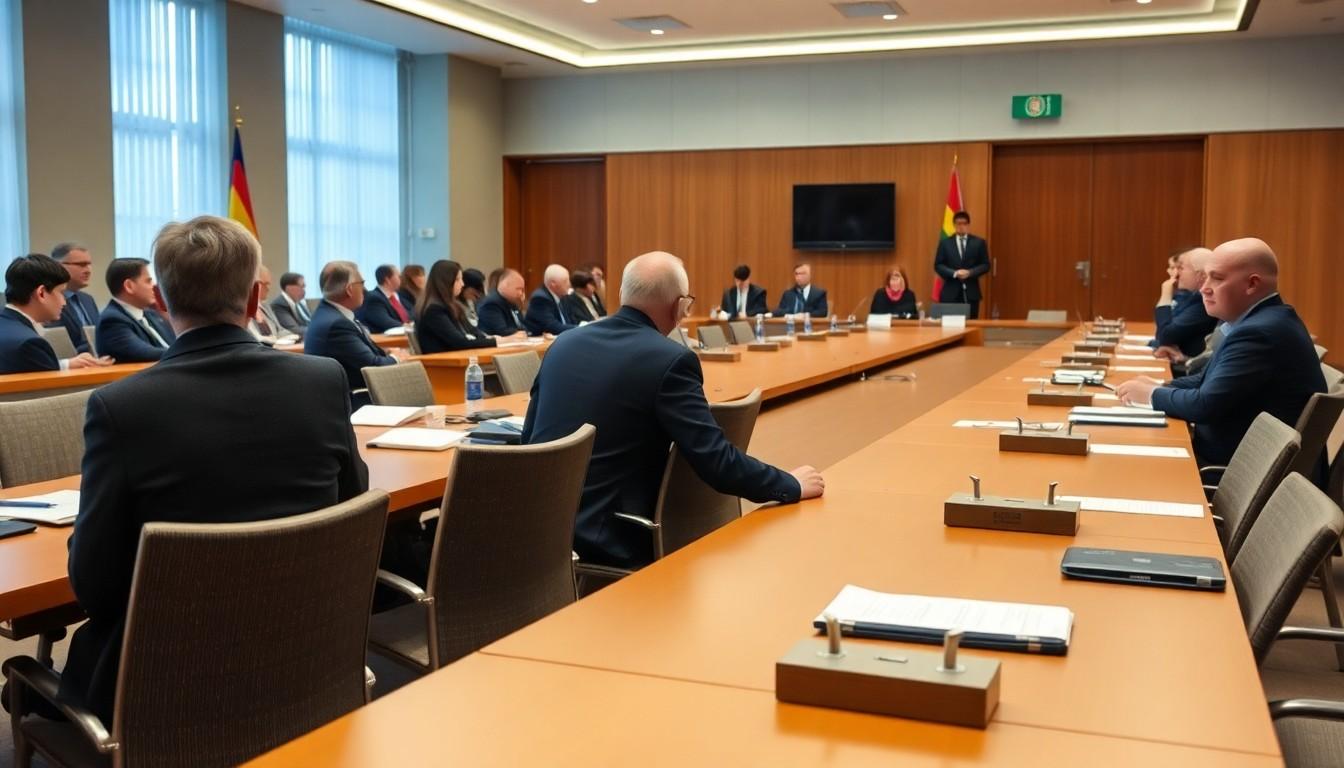
Shifts in international funding and politics are putting pressure on LGBTI+ rights worldwide, while activists warn that hard-won protections can’t be taken for granted. Here’s what the latest figures show, why the backlash matters beyond individual communities, and how civil society and governments, including Cyprus and the UK, are working to respond.
Essential Takeaways
- Criminalisation persists: The Human Dignity Trust lists 65 jurisdictions that criminalise consensual same-sex relationships.
- Funding is substantial: A 2025 European Parliamentary Forum report estimated that anti-rights initiatives received US$1.18 billion in Europe between 2019 and 2023.
- Aid cuts carry serious risks: A study in The Lancet Global Health projected that severe cuts by donor countries could contribute to 22.6 million additional deaths by 2030.
- Diplomacy matters: The UK and Cyprus have signed a memorandum of understanding to promote LGBTI+ rights in Europe and the Commonwealth.
- A new commission is under way: Kaleidoscope Trust’s Global LGBTI+ Rights Commission began work in October 2025.
LGBTI+ rights face pressure on several fronts
The scale of criminalisation remains stark: 65 jurisdictions still outlaw consensual same-sex relationships, according to the Human Dignity Trust. Yet legal change is only part of the picture. Even where criminal penalties are removed, people may still face discrimination in employment, housing and healthcare, as well as barriers to organising and taking part in public life.
That distinction is important. Progress can be real and still feel fragile, especially for activists working where laws and public attitudes remain hostile. The challenge is not simply to change a statute, but to make everyday life safer and more equal. [2]
The money behind the anti-rights push
A European Parliamentary Forum for Sexual and Reproductive Rights report estimated that US$1.18 billion went to anti-rights initiatives in Europe between 2019 and 2023. The report identified Russian actors as the largest single source of funding. The figure offers a measure of how organised and well-resourced this activity has become. [3]
Stelios Foteinopoulos, Interim Head of Policy and Public Affairs at Kaleidoscope Trust, describes the anti-rights movement as a network of far-right groups, religious conservatives and anti-gender campaigners. In his view, attacks on LGBTI+ people are often linked to a broader effort to weaken democratic institutions and international cooperation. That framing matters: debates about equality can become a route into wider arguments about sovereignty, human rights and the role of global bodies. [3][5]
Why aid cuts reach far beyond budgets
Funding reductions can mean fewer resources for grassroots groups, legal support and access to public health services. For LGBTI+ organisations already operating in difficult conditions, losing support may leave people with fewer places to turn. The effects are practical, not abstract: cases may be harder to pursue, and local advocacy may lose capacity. [4][5]
A study published in The Lancet Global Health projected that severe aid cuts across donor countries could lead to 22.6 million additional deaths by 2030, including 5.4 million children under five. That projection concerns the wider consequences of aid reductions, rather than LGBTI+ communities alone. Still, it underlines how funding decisions can shape lives on a huge scale. [4]
Cyprus and the UK have a diplomatic role
Cyprus and the UK have signed a memorandum of understanding on promoting the rights of LGBTI+ people in Europe and the Commonwealth. Kaleidoscope Trust says it has also worked with the Cyprus High Commission in London, including on discussions about equality and the Commonwealth. [6]
For a smaller country, influence needn’t depend on size alone. Diplomatic partnerships can help bring civil society expertise into policy conversations and keep issues visible in international forums. The UK-Cyprus agreement offers a framework, but its value ultimately depends on sustained engagement and practical follow-through. [5][6]
A commission seeks a clearer plan
Kaleidoscope Trust launched its Global LGBTI+ Rights Commission in 2025, with work beginning in October. The project aims to examine what is driving the rollback of rights, consult communities and experts, and develop a strategic response. Its central premise is straightforward: people closest to the challenges should help shape the solutions. [7]
That is also the point behind Foteinopoulos’s call for a seat at the table. Consultation can sound like a procedural detail, but it affects whose experience informs decisions and whose needs are overlooked. The commission’s next test will be turning its research and conversations into action that governments and communities can use. [5][7]
Give a seat to the people living these realities, and make sure their voices shape what comes next.
Source Reference Map
Story idea inspired by: [1]
Sources by paragraph: