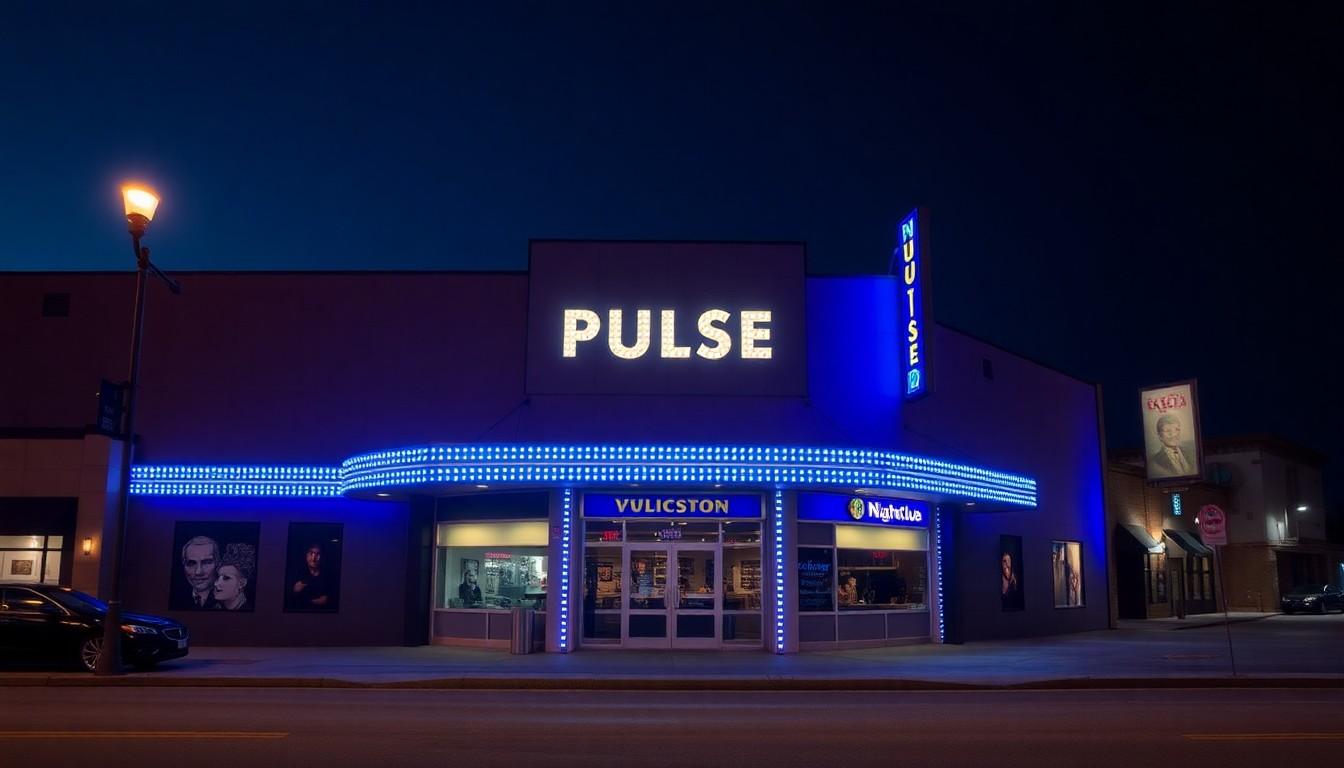
A decade after the Pulse nightclub shooting in Orlando, friends are keeping Drew Leinonen’s story alive by remembering his warmth, generosity and love of bringing people together. His life offers a deeply personal way to understand what was lost that night, and why the community’s work of remembrance still matters.
Essential Takeaways
- Drew’s life came first: Friends remember his Eurovision parties, pop-music tastes and knack for turning strangers into friends.
- Pulse was a refuge: The Orlando club offered LGBTQ+ visitors a place to dance, connect and feel at ease.
- 49 people were killed: The attack took place on 12 June 2016; Drew and his partner, Juan Guerrero, were among those who died.
- The impact continues: Survivors and loved ones are still living with the aftermath, and healing doesn’t follow a neat timetable.
- Remembering means more than marking a date: The Pulse memorial helps preserve the names and stories of those killed.
Drew Leinonen’s story was about bringing people together
Drew Leinonen had a gift for making a room feel like a party, even when the room was a tiny Orlando flat. Every year, his Eurovision gatherings came with themed invitations and prediction forms, while friends recall his love of British pop, bargain-hunting and dancing with wholehearted, if questionable, technique.
More than the party details, friends remember how he gathered people. He introduced acquaintances, drew new faces into his circle and made friendship feel like something you could start on the spot. In an interview with Attitude, his friend Brandon Wolf described Drew as the person who naturally became the centre of things.
That is a different kind of legacy from a headline or a date on a memorial. It gives the public a glimpse of the person behind the loss: someone joyful, sociable and gloriously unbothered about dancing well.
Pulse was a place to feel at home
On 12 June 2016, Pulse was hosting its Latin Night in Orlando. The club had become a gathering place where people could dance, meet friends and express themselves with a sense of safety that wasn’t always available elsewhere.
For Wolf, that feeling was personal. He told Attitude that Pulse gave him room to hold hands with someone he liked and to wear what he wanted without worrying about hostility. Friend Sara Grossman described it as a place where people learnt how to build community.
That helps explain why the attack’s significance reached beyond one venue. Pulse wasn’t simply a nightclub; it was a space where people could feel seen and welcome. The club’s memorial now serves as a place to honour the 49 people killed and remember the lives that shaped its community.
What happened at the Orlando nightclub
The FBI records the Pulse shooting as a mass attack that began in the early hours of 12 June 2016. The gunman, Omar Mateen, opened fire inside the club, killing 49 people and injuring dozens more; a hostage crisis followed before the incident ended.
The Orange County government’s information from the time documents the scale of the emergency response. The attack also became a defining event for Orlando’s LGBTQ+ community and for people far beyond Florida.
Those facts are essential, but they can feel stark on their own. Remembering victims as individuals, with friendships, habits and plans, keeps the human story in view alongside the official record.
A decade later, remembrance is still unfinished
The Pulse attack came after a period of visible progress for LGBTQ+ rights in the United States, including the nationwide legalisation of same-sex marriage in 2015. But, as Wolf reflected in his conversation with Attitude, legal progress didn’t mean hostility had disappeared.
The consequences of the shooting have also continued long after that night. Associated Press reporting on the anniversary period has returned to the experiences of survivors and families, whose lives were changed in ways that don’t fit neatly into a single commemorative moment.
And healing isn’t a straight line. That’s why memorials, personal stories and community support matter: they make room for grief without reducing anyone to the worst thing that happened to them.
How to honour the people behind the headlines
A thoughtful way to mark the anniversary is to learn about the people who were lost, rather than stopping at the event’s headline figures. The Pulse memorial offers a place to remember those killed, while reporting and interviews can help readers understand the friendships and everyday lives behind those names.
It’s also worth listening to survivors and LGBTQ+ communities about what support looks like now. Remembrance can be quiet and personal, but it can also mean showing up for people who still face discrimination or feel unsafe.
Drew’s friends are preparing to close an organisation created to ensure he would be remembered for how he lived, not only how he died. That aim feels simple, but powerful: tell the whole story, and keep making room for joy.
Remember Drew for the people he brought together, and remember why a place like Pulse mattered.
Source Reference Map
Story idea inspired by: [1]
Sources by paragraph:
- Paragraph 1: [3], [4]
- Paragraph 2: [2]
- Paragraph 3: [2]
- Paragraph 4: [2]
- Paragraph 5: [3], [4]
- Paragraph 6: [2], [5]
- Paragraph 7: [3]
- Paragraph 8: [4]
- Paragraph 9: [2], [5]
- Paragraph 10: [2]
- Paragraph 11: [7]
- Paragraph 12: [2], [6]
- Paragraph 13: [5]
- Paragraph 14: [7]
- Paragraph 15: [2]
- Paragraph 16: [2]