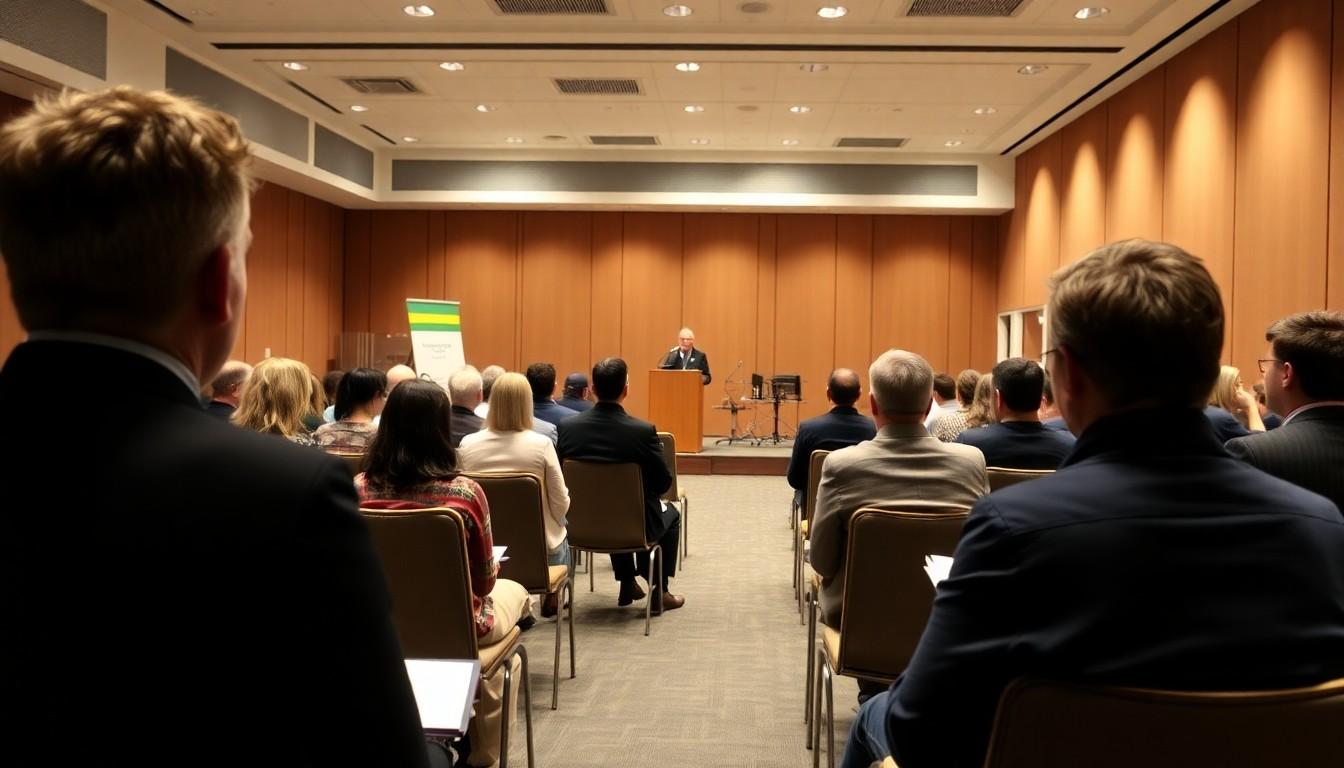
Community leaders, advocates and service providers have put lived experience at the heart of Queensland’s LGBTQIA+ agenda at the 2026 Carswell Forum in Brisbane. The gathering focused on practical ways to improve safety, health, housing and support, particularly for Sistergirl and Brotherboy people and those living outside major cities. Its challenge now is turning discussion into lasting change.
Essential Takeaways
- A shared agenda: Forum discussions linked safety, health, housing, ageing and access to services.
- Community-led support matters: Participants highlighted secure funding, skilled peer workers and culturally safe services as key foundations.
- Regional needs were prominent: Distance, transport and limited specialist care can make support harder to reach.
- Action is the next test: Priorities include completing strategy commitments, reporting progress and resourcing future work.
The forum connected issues that rarely sit in one box
Safety, healthcare, housing and ageing may look like separate policy challenges, but for LGBTQIA+ Sistergirl and Brotherboy Queenslanders they can overlap in everyday life. That was a central thread at the 2026 Carswell Forum, where participants called for a more joined-up approach to support and wellbeing. (Star Observer)
Hosted by Brisbane Pride and the Queensland LGBTQIA+ Alliance, the annual gathering brought together community advocates, researchers, service providers and government representatives. The forum was designed not just to take stock, but to identify practical priorities for the year ahead. (Star Observer; Brisbane Pride)
That emphasis gives the event its value beyond a single day of speeches. Community knowledge can help shape services that feel safer and more relevant, especially when people have had poor experiences with mainstream systems. (Star Observer; Queensland LGBTQIA+ Alliance)
Community-led services need more than goodwill
Participants stressed the importance of trusted, community-led organisations, including secure funding and properly supported peer workers. They also called for culturally safe services and mainstream providers that can offer inclusive care without compromising privacy, consent or personal choice. (Star Observer; Queensland LGBTQIA+ Alliance)
That is a practical point, not a slogan. A referral pathway is only useful if people can trust it, understand what will happen to their information and choose support that fits their circumstances. (Star Observer)
The Queensland government’s Pride in Our Communities action plan sets out work under the state’s LGBTQIA+ strategy for 2024-26. The forum’s calls to complete outstanding commitments and report progress transparently put a spotlight on how plans become visible improvements in people’s lives. (Queensland Government; Star Observer)
Regional Queensland needs locally shaped answers
For people in rural and remote areas, distance can turn a straightforward appointment into a day-long journey. Forum participants also pointed to limited specialist services, transport barriers and concerns about confidentiality, making local solutions especially important. (Star Observer; Queensland Council of Social Service)
First Nations Rainbow Mob called for responses grounded in culture and developed with communities, with support delivered closer to where people live. It’s a reminder that a service model designed for a city may not travel neatly to every part of Queensland. (Star Observer)
Older LGBTQIA+ Sistergirl and Brotherboy people raised concerns including transport, future planning and retaining their identity in residential care. Including ageing in the wider discussion helps make clear that inclusive support must work across a person’s life, not just at one point in it. (Star Observer)
Turning the strategy into visible progress
The forum’s priorities included completing commitments under Pride in Our Communities, properly funding the next action plan, training workforces and improving how sexuality and gender identity are recorded in health settings. Participants also called for more coordinated violence prevention. (Star Observer; Queensland Government; Queensland LGBTQIA+ Alliance)
Brisbane Pride’s strategic planning describes its wider role in supporting community connection and advocacy. Meanwhile, the Queensland LGBTQIA+ Alliance brings together organisations working across the state, giving the forum a base for continued collaboration after the gathering ends. (Brisbane Pride; Queensland LGBTQIA+ Alliance)
There was also disagreement over the participation of Queensland Child Safety Minister Amanda Stoker. QTrans withdrew from a planned Trans Pride panel in protest, while Stoker addressed the forum and said every Queenslander deserves to feel safe, supported and valued, according to Star Observer. That tension shows why trust and representation remain part of the work, not a side issue. (Star Observer)
A legacy measured in what happens next
Named for human rights advocate Phil Carswell OAM, the forum aims to connect community experience with action. Its organisers now face the familiar, harder task: keeping partnerships active and making sure priorities are followed through. (Star Observer; Brisbane Pride)
For Queenslanders who need support, the discussions point towards a useful question: does a service feel safe, respect your choices and understand your community? Better answers will depend not only on policy, but on the people and organisations delivering help day to day. (Star Observer; Queensland LGBTQIA+ Alliance)
The forum has set out a shared direction; the real measure will be whether people feel the difference. (Star Observer)
Source Reference Map
Story idea inspired by: [1]
Sources by paragraph: