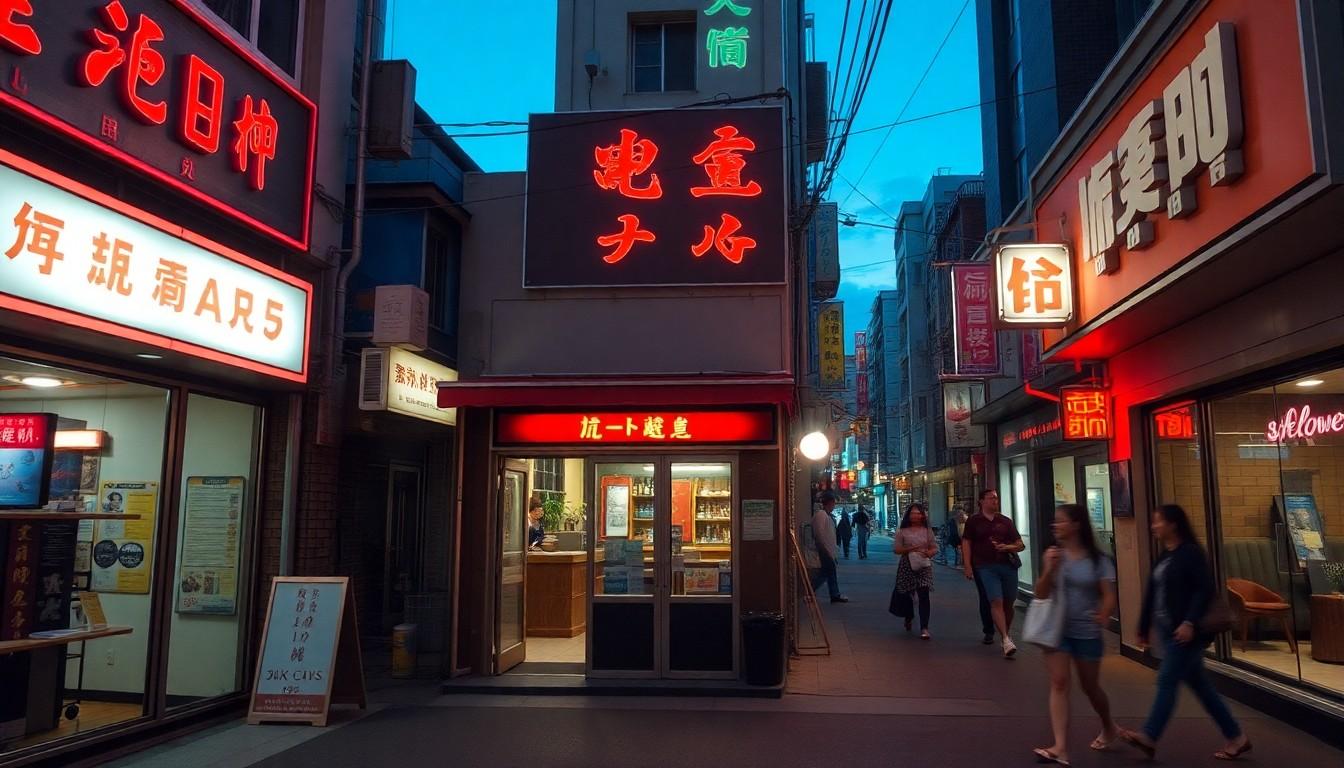
As Taipei’s LGBTQ Pride parade brought crowds on to the streets, a police raid on a gay bar in Ximending raised difficult questions about how Taiwan’s inclusive reputation translates into everyday treatment. The October operation is under scrutiny from local advocates and international groups, with concerns centred on dignity, police conduct and the safety of queer spaces.
Essential Takeaways
- A raid in Ximending: Police searched the Commander D bar on 3 October under a court warrant.
- Dozens were questioned: Fifty-one customers were taken in for questioning over suspected public-indecency offences.
- Conduct is disputed: A customer described a forceful operation, while police later acknowledged officers used inappropriate language.
- Advocates raised concerns: Local and international LGBTQ+ groups say the incident could damage trust and Taiwan’s image of inclusion.
- A wider social question: Legal equality matters, but so does how people are treated in public spaces.
A Pride weekend shadowed by a raid
Taipei’s Pride parade is a celebration of visibility, but this year it arrived amid renewed debate over the treatment of LGBTQ+ people in public. The Guardian reported that police raided Commander D, a BDSM-themed gay bar in Ximending, on 3 October, taking 51 customers in for questioning. The venue has operated for more than a decade, making the incident feel especially unsettling for people who see queer nightlife as part of the city’s social fabric.
One customer told The Guardian that officers entered suddenly, ordered patrons to get down and handcuffed the bar’s owner. Videos shared on social media also prompted allegations that officers mocked a disabled customer and stopped some patrons from putting their clothes back on. Those accounts have fuelled concern about whether the operation was handled with proper regard for people’s dignity.
What police say about the search
Wanhua police said they acted under a court-issued search warrant and had received 13 complaints this year relating to suspected public-indecency offences at the bar. The department said the search was intended to control the scene, not to target people because of their sexual orientation. After reviewing officers’ body-camera footage, however, police acknowledged that inappropriate language had been used.
The bar’s owner was referred to prosecutors on suspicion of arranging indecent acts for profit, an allegation he has denied in Taiwanese media. That distinction matters: the case is still under investigation, while questions about how customers were treated have already become a separate public issue. A lawful search can still be scrutinised for the way it is carried out.
Why LGBTQ+ advocates are concerned
The response has travelled beyond Taiwan. Bangkok-based advocacy group APCOM wrote to Taiwan’s representative office in Thailand to protest, with its executive director, Midnight Poonkasetwattana, warning that incidents like this can weaken Taiwan’s welcoming image. The group’s broader point is that inclusion is measured not only through legislation or international visibility, but also through the conduct of public institutions.
Taiwan legalised same-sex marriage in 2019, and the Guardian cited survey figures showing public support had risen from 42% to 54%. Yet advocates and visitors have also described lingering stigma around queer gathering places. Progress can be real and still feel incomplete when people remain wary of being singled out in spaces where they should be able to relax.
The importance of dignity during police operations
Human rights lawyer Hsu Hsiu-wen told the Guardian that preventing customers from dressing before taking them away could amount to sexual humiliation and undermine their dignity. Drag performer Jian Shihan, who often works at LGBTQ+ venues, also told the newspaper that minority communities can face subtle unease and judgement in daily life. Such experiences may not always appear in official figures, but they shape whether people feel safe being themselves.
For venues and patrons, the practical lesson is to know what a search warrant authorises and to seek legal advice if they believe their rights have been breached. But the responsibility doesn't rest on customers to navigate a stressful raid perfectly. Clear procedures, respectful language and accountability are essential if police want communities to trust that enforcement is fair.
Taiwan’s inclusive image faces a real-world test
Taiwan police told the Guardian they respect social diversity and people’s rights, while saying they would continue enforcing the law to maintain public order. That balance is precisely what the dispute has put under the spotlight: public safety and legal enforcement matter, but so does the manner in which authority is exercised.
Taiwan remains known internationally for LGBTQ+ visibility and legal progress. The challenge now is ensuring that reputation is reflected in everyday interactions, including inside nightlife venues that have long offered queer people a place to gather.
A welcoming city is defined not only by its celebrations, but by how it treats people when the music stops.
Source Reference Map
Story idea inspired by: [1]
Sources by paragraph: