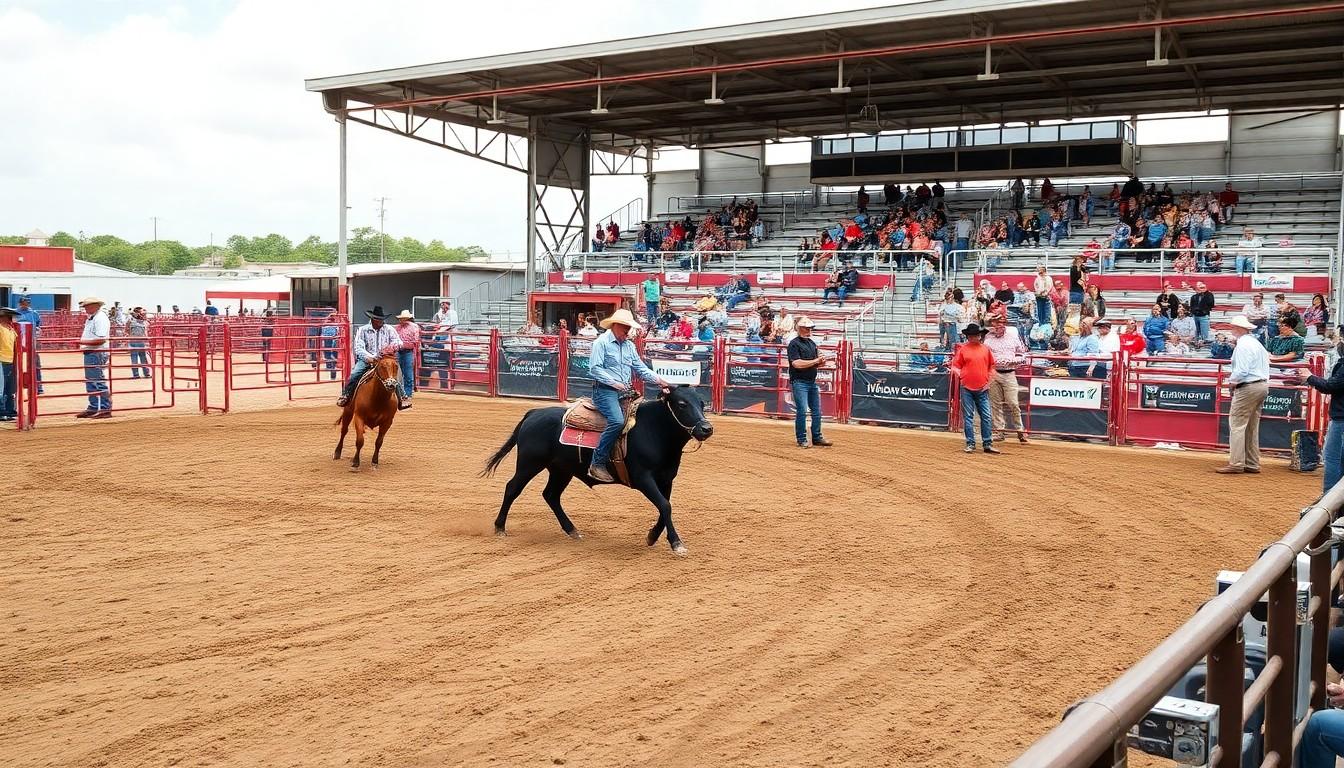
Gay rodeo is marking five decades of competition, fundraising and community, with its World Finals bringing riders and supporters together in El Reno, Oklahoma. From fast-paced events to a history shaped by both welcome and resistance, the sport offers a distinctive take on rodeo, where people can compete and belong on their own terms.
Essential Takeaways
- A milestone year: The first gay rodeo took place in Reno, Nevada, on 2 October 1976.
- A lively mix of events: The International Gay Rodeo Association (IGRA) includes traditional rodeo contests alongside playful camp events such as goat dressing and wild drag racing.
- A central meeting point: El Reno hosted the World Gay Rodeo Finals in 2026, with IGRA listing the town again for 21 to 24 October 2027.
- A history worth preserving: IGRA’s rodeo materials are now part of the Smithsonian’s National Museum of American History collections.
Gay rodeo turns 50 with community at its heart
The sport’s 50th anniversary arrived with a milestone World Gay Rodeo Finals in El Reno, Oklahoma. IGRA’s schedule placed two nights of royalty contests before the rodeo events, bringing pageantry and horsemanship into the same weekend.
The format is spirited, but the welcome is no less important. At a regional rodeo in Santa Fe, competitor Harry Children described the experience as rodeo without expectations, a chance to show up as himself. That sense of freedom can be as memorable as the noise in the arena.
IGRA says the World Finals bring together the season’s top 20 cowboys and cowgirls. And while the competition is serious, the atmosphere doesn’t take itself too seriously: goat dressing and wild drag racing add a generous helping of theatrical fun.
From a Reno fundraiser to an international association
The first gay rodeo was held at the Washoe County Fairgrounds in Reno on 2 October 1976. OutHistory’s account traces the idea to Phil Ragsdale, a leader in Reno’s Imperial Court who wanted to create a charity fundraiser.
Finding a venue and livestock wasn’t straightforward. According to OutHistory, ranchers refused to rent animals after learning who was organising the event, so Ragsdale secured livestock from a Fallon rancher the night before.
The sport grew beyond that first gathering. The Oklahoma Gay Rodeo Association joined groups from Colorado, Texas, California and Arizona in establishing IGRA at a convention in Denver in 1985. Charity remained part of the tradition, with early fundraising supporting the Muscular Dystrophy Association and later causes including services for older people and people with AIDS.
Why El Reno has become a natural home
A central location and milder autumn weather helped make El Reno an appealing place for the Finals. In an interview with KOSU, 2024 Finals director Mark Christensen said IGRA had previously held the event in Canada and across the United States before settling on a more central spot.
That practical choice carries an emotional note, too. Christensen told KOSU that the organisation is about family, a description that fits the close-knit support competitors often talk about. At the Santa Fe Zia Regional Rodeo, 18-year-old Kenzie Garcia said her rodeo family cheered loudly after she recorded the best women’s chute-dogging time of the day.
IGRA’s finals calendar lists El Reno for 21 to 24 October 2027. For fans planning ahead, it’s worth checking the association’s event schedule before making travel plans, as dates and programme details are best confirmed directly.
The history includes resistance as well as celebration
Gay rodeo’s past isn’t only a story of growing crowds and colourful contests. In 1988, after the University of Nevada, Reno withdrew from hosting the Finals, IGRA moved the event to a private ranch in Fallon. High Country News reported that an injunction and the Churchill County sheriff prevented contestants from taking part.
The confrontation left a lasting mark. John King recalled the 1988 clash as “our Stonewall” in an interview with High Country News, reflecting how central the episode became to the community’s memory. The Finals returned to Reno in October 2025, and attendees visited the Fallon site as part of remembering what happened there.
The AIDS crisis also devastated the community. IGRA President Brian Helander told the Daily Yonder that the organisation lost competitors and officials before newer medicines became available, and described the following years as a period of recovery. That history gives today’s joyful gathering a deeper resonance.
Archives help keep five decades visible
The story is now being preserved beyond the arena. The Smithsonian’s National Museum of American History received rodeo programmes, posters and other materials from IGRA in December 2024, according to its Archives Center finding aid.
In West Hollywood, One Institute’s exhibition of gay rodeo archives brought photographs and memorabilia into a gallery setting. A travelling version of the show had made 38 stops since 2019, while the exhibition’s compiler, former IGRA president Roger Bergmann, told The Nevada Independent that the sport matters today because of diversity, including straight competitors.
These collections make the history easier to see, not just read about. A programme or poster may look like a small keepsake, but it captures the people, places and community effort behind a sport that has kept finding room for more riders.
Gay rodeo’s story is still being written, one ride, buckle and enthusiastic cheer at a time.
Source Reference Map
Story idea inspired by: [1]
Sources by paragraph: