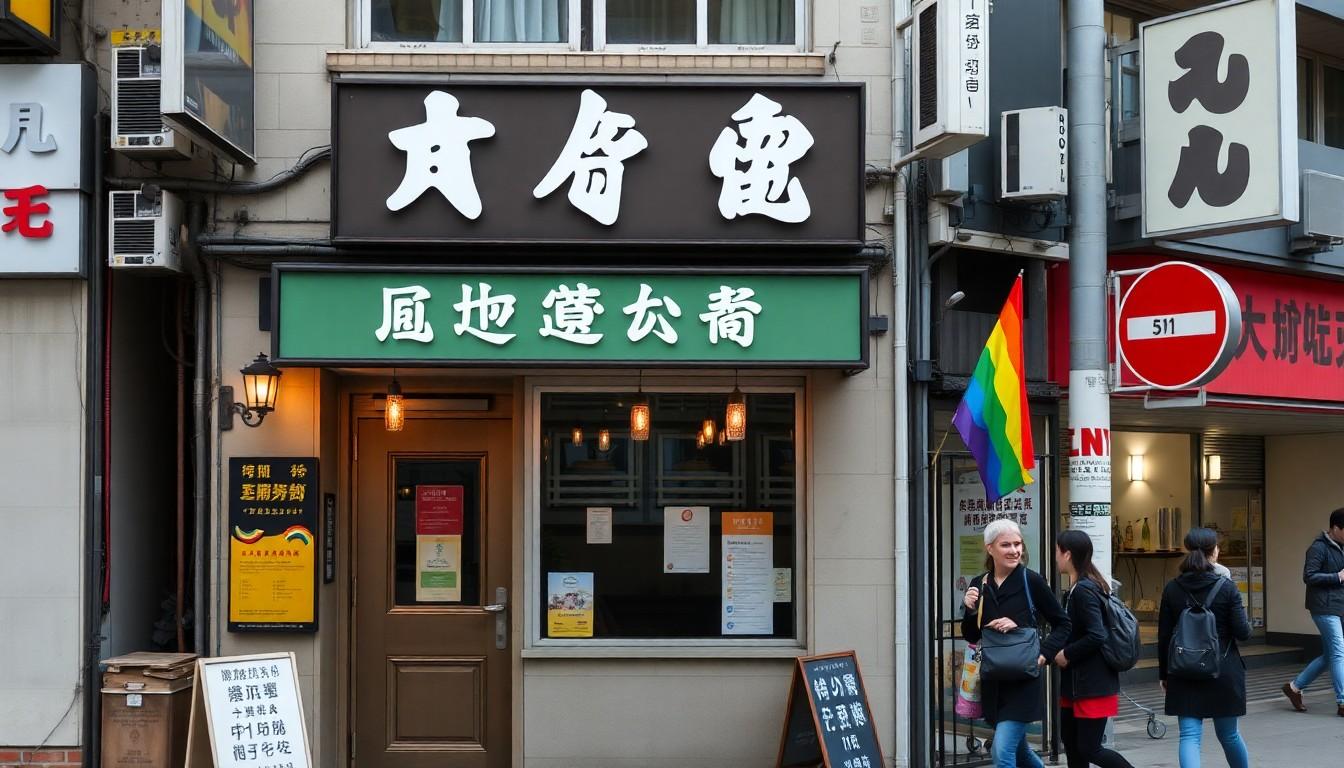
A police raid on Commander D, a well-known LGBTQ+ bar in Taipei's Ximending district, has sparked protests and renewed scrutiny of how Taiwan's capital treats its queer community. The dispute matters far beyond one venue: it tests whether Taipei's reputation as a welcoming city is reflected in everyday policing.
Essential Takeaways
- The raid: Police entered Commander D with a search warrant, prompting allegations of excessive enforcement and humiliating language.
- The controversy: Reports say officers' remarks became a central focus of the dispute, alongside questions about how far the warrant allowed them to go.
- Official response: Taipei authorities apologised after an internal review found inappropriate comments by four officers.
- The wider issue: Activists say the incident risks damaging Taipei's image as an LGBTQ+-friendly city.
- Why it matters: A rainbow-friendly public image means little if people still fear exposure, intimidation or unequal treatment.
Why this raid has struck such a nerve
The most unsettling detail isn't simply that police searched a gay bar. It's the reported use of language that customers experienced as threatening and degrading. A venue that should feel loud, social and liberating instead became the setting for a confrontation with the state.
Taipei Times reported that the incident involved Commander D, a BDSM-themed LGBTQ+ bar in Ximending, and led to strong criticism of police conduct. TaiwanPlus also reported protests over alleged misconduct, making clear that the dispute has become a public test of trust rather than a private disagreement between officers and a business.
Search warrants are important legal tools, but they aren't blank cheques. They authorise specific investigative steps, not unlimited access to people's identities, bodies or private lives. That distinction is especially important in a queer venue, where being identified publicly can carry real personal and family consequences.
A legal search can still feel deeply unsafe
The police position is likely to rest on the existence of a warrant, but legality and proportionality aren't the same thing. Customers have reportedly questioned whether officers went beyond the warrant's intended scope and whether people at the venue were pressured to co-operate even when they weren't the investigation's target.
That matters because LGBTQ+ people may have different reasons for protecting their privacy. Some visitors may be out at work but not at home; others may be exploring their identity quietly. The fear isn't abstract. A careless remark, photograph or implied threat can follow someone long after the police have left.
According to coverage in the Taipei Times, the subsequent review of duty footage found that four officers had used inappropriate language and resulted in disciplinary action. The finding gives weight to complaints that might otherwise have been dismissed as a misunderstanding.
Taipei's progressive image is now under pressure
Taipei has spent years presenting itself as open, diverse and comfortable with difference. Taiwan's same-sex marriage law gave that reputation a powerful foundation, while the city's annual Pride events draw visitors and attention from across Asia.
But city branding is easy when the streets are lined with rainbow flags. The harder test arrives after the parade, in a bar on an ordinary night, when officials have to exercise authority without treating a marginalised group as a problem to be managed.
World Incidents warned that the raid could put Taipei's LGBTQ+-friendly reputation at risk. That may sound like a communications concern, but it is really about confidence. Residents and visitors need to believe that public institutions will protect their dignity even when no cameras are watching.
What the Commander D case reveals about policing
The episode raises several practical questions. What exactly did the search warrant cover? Were customers treated as suspects, witnesses or simply people caught in the room? Were officers given guidance on handling a sensitive LGBTQ+ venue, and why did their initial account appear to differ from what later footage showed?
These questions deserve clear answers rather than a carefully worded apology. Accountability should include an explanation of the search's legal scope, the training officers received and the safeguards in place when policing spaces where outing someone could cause harm.
The Commander D case also shows why good policing requires more than formal compliance. Officers can follow a procedure and still create fear through tone, insinuation or unnecessary disclosure. For anyone choosing a bar because it feels safer than the outside world, that distinction is painfully concrete.
The next step is rebuilding trust
Taipei authorities have already acknowledged inappropriate conduct, but rebuilding confidence will take more than disciplinary notices. The government needs to explain what went wrong, publish as much information as privacy and legal rules allow, and show how similar incidents will be prevented.
It should also listen directly to LGBTQ+ organisations, venue operators and customers. Those conversations could inform better training, clearer protocols and independent oversight for future searches. A city that wants to call itself friendly should be willing to hear uncomfortable criticism.
The wider lesson is simple. Pride events, supportive speeches and progressive laws matter, but they must be matched by everyday institutional behaviour. For younger queer people watching this unfold, the real question is whether public life is becoming safer, or whether the old fear is merely wearing a more modern suit.
A rainbow city earns its reputation when the flags come down.
Source Reference Map
Story idea inspired by: [1]
Sources by paragraph:
- Paragraph 1: [2], [3]
- Paragraph 2: [2], [3]
- Paragraph 3: [4], [7]
- Paragraph 4: [5], [6]
- Paragraph 5: [2], [7]
- Paragraph 6: [3], [5]
- Paragraph 7: [2], [6]
- Paragraph 8: [4], [7]
- Paragraph 9: [2], [5]
- Paragraph 10: [3], [6]
- Paragraph 11: [2], [7]
- Paragraph 12: [5], [6]
- Paragraph 13: [3], [7]
- Paragraph 14: [2], [5]