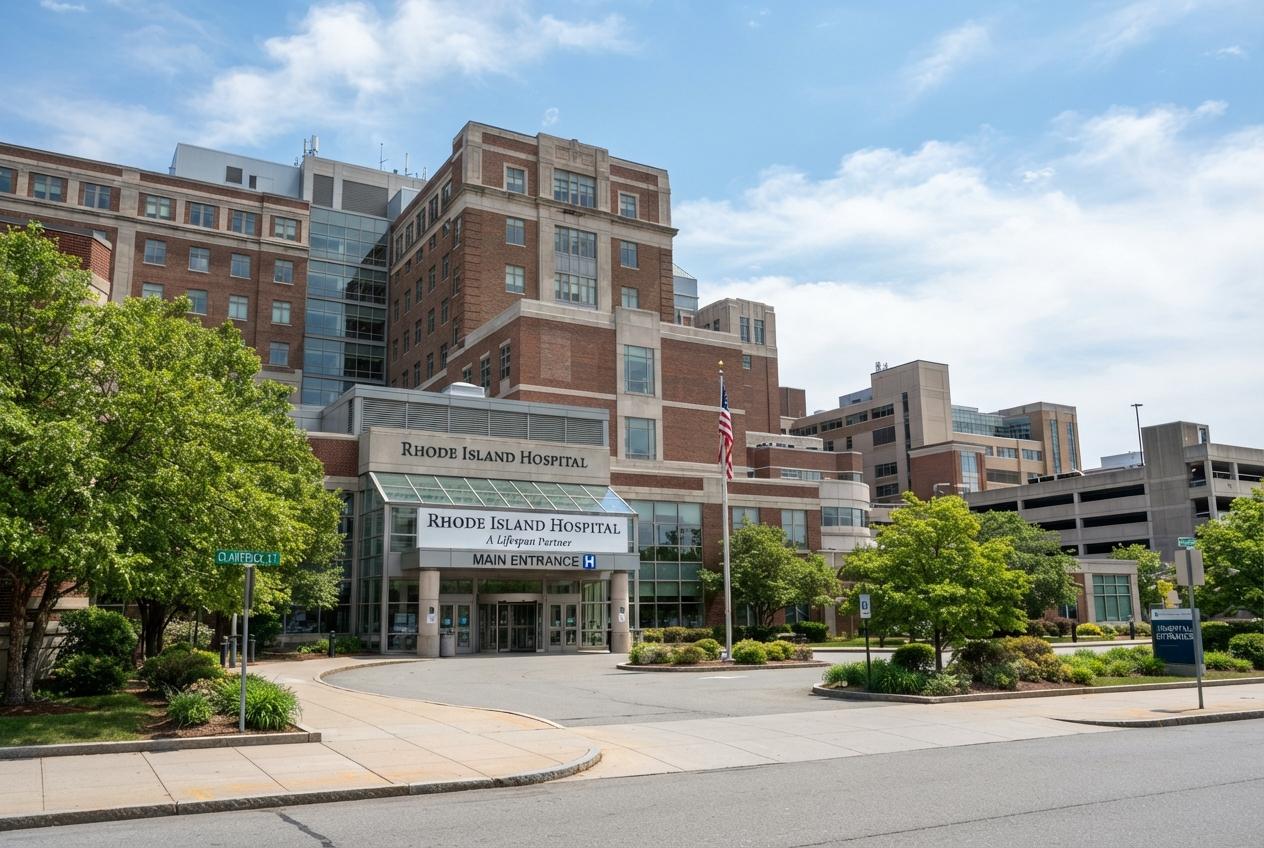
Nonprofit organisations and a safety-net hospital are challenging new HHS grant restrictions in court, warning that ideological conditions could disrupt inclusive healthcare, survivor support and housing services. The case matters because groups may have to choose between protecting their mission and keeping federal funding that many vulnerable families rely on.
Essential Takeaways
- The lawsuit: A Rhode Island-led coalition is challenging conditions attached to federal health and social-service grants.
- Services at stake: Domestic violence support, sexual assault services, LGBTQIA+ care, racial-equity work and housing assistance could all be affected.
- Funding dilemma: Nonprofits say the rules force them to accept mission-conflicting terms or risk losing essential public money.
- Housing First concern: The plaintiffs argue that restrictions on the model could weaken a widely used route out of homelessness.
- Wider implications: The case could help define how far the federal government can go when attaching ideological conditions to grants.
Nonprofits say funding now comes with strings attached
The dispute centres on a familiar but increasingly tense question: can the government require organisations to adopt particular political positions before they receive public funding? The plaintiffs say the latest HHS conditions go beyond ordinary grant administration and interfere with how providers serve patients, survivors and families.
For frontline organisations, the issue isn't abstract. A grant may help keep a refuge open, pay a counsellor's wages or fund a route into stable housing. Losing it could feel less like an administrative inconvenience and more like a door quietly closing on someone who has nowhere else to go.
The challenge arrives amid wider scrutiny of federal grant-making and public research funding. Recent reporting by Axios and the Associated Press has highlighted disputes over transparency, funding reviews and government demands placed on institutions receiving federal support. [3], [5]
Inclusive care and survivor services are at the centre of the case
The coalition argues that restrictions affecting LGBTQIA+ support and racial-equity initiatives are based on political directives rather than clinical need. It says that approach risks narrowing access for immigrants, undocumented people and Black and Brown communities, who may already face barriers when seeking help.
Lucy Rios of the Rhode Island Coalition Against Domestic Violence said the consequences could include fewer routes to safe housing and fewer services for people rebuilding their lives after abuse. That concern carries particular weight in domestic violence work, where trust, privacy and culturally responsive support can determine whether someone asks for help at all.
A county safety-net hospital is also part of the case, underlining that the argument isn't confined to advocacy groups. It reaches into direct healthcare, where staff must often balance urgent needs with increasingly complex funding rules. [4], [6]
Why the Housing First debate matters
The lawsuit also challenges restrictions affecting Housing First, an approach that prioritises stable accommodation before requiring people to complete treatment or meet other conditions. Supporters view it as a practical way to create the security needed for people to address health, employment or addiction problems.
Critics of restrictions say changing that model through grant conditions could make services harder to access, particularly for people with complex needs. Housing providers may be left trying to redesign programmes around political language rather than what works for residents.
That wider grant overhaul is already being watched closely in housing and fair-housing circles. Axios has reported on legal and local concerns surrounding changes to housing-related funding, suggesting that the Rhode Island case could become part of a much broader fight over federal influence. [2], [7]
The legal fight follows an earlier court setback
The plaintiffs say this isn't the administration's first attempt to attach similar ideological conditions to HHS funding. Earlier litigation reportedly led a federal court to block comparable restrictions affecting domestic violence, sexual assault, housing, youth and homelessness organisations.
That history gives the new lawsuit extra significance. If the government is accused of repeating a strategy after an earlier court ruling, judges may be asked to examine not just the wording of the latest conditions but the practical effect they have on grant applicants.
The coalition also argues that the language is too vague. Unclear rules can leave organisations guessing about what might trigger an investigation, a funding cut or a failed application. For a small charity with limited legal resources, that uncertainty alone can encourage caution and self-censorship. [3], [5]
What the case could mean for federal grants
At its heart, the dispute is about who sets the terms of public services. The government controls the purse strings, but nonprofits say accepting a grant shouldn't mean surrendering their identity, professional judgement or obligation to serve everyone who needs help.
Steven Brown of the ACLU of Rhode Island described applicants as being placed between two difficult choices: accept conditions that conflict with their work or walk away from money their communities need. Community Care Alliance chief executive Benedict Lessing Jr similarly argued that public funding shouldn't depend on language that discriminates against people because of race, gender identity or immigration status.
The courts will now have to decide whether the disputed conditions are lawful and sufficiently clear. Whatever the outcome, the case is a reminder that a grant agreement can shape real lives long before a judge delivers a ruling.
It's a small line in a funding document, but it could decide who gets through the door.
Source Reference Map
Story idea inspired by: [1]
Sources by paragraph: