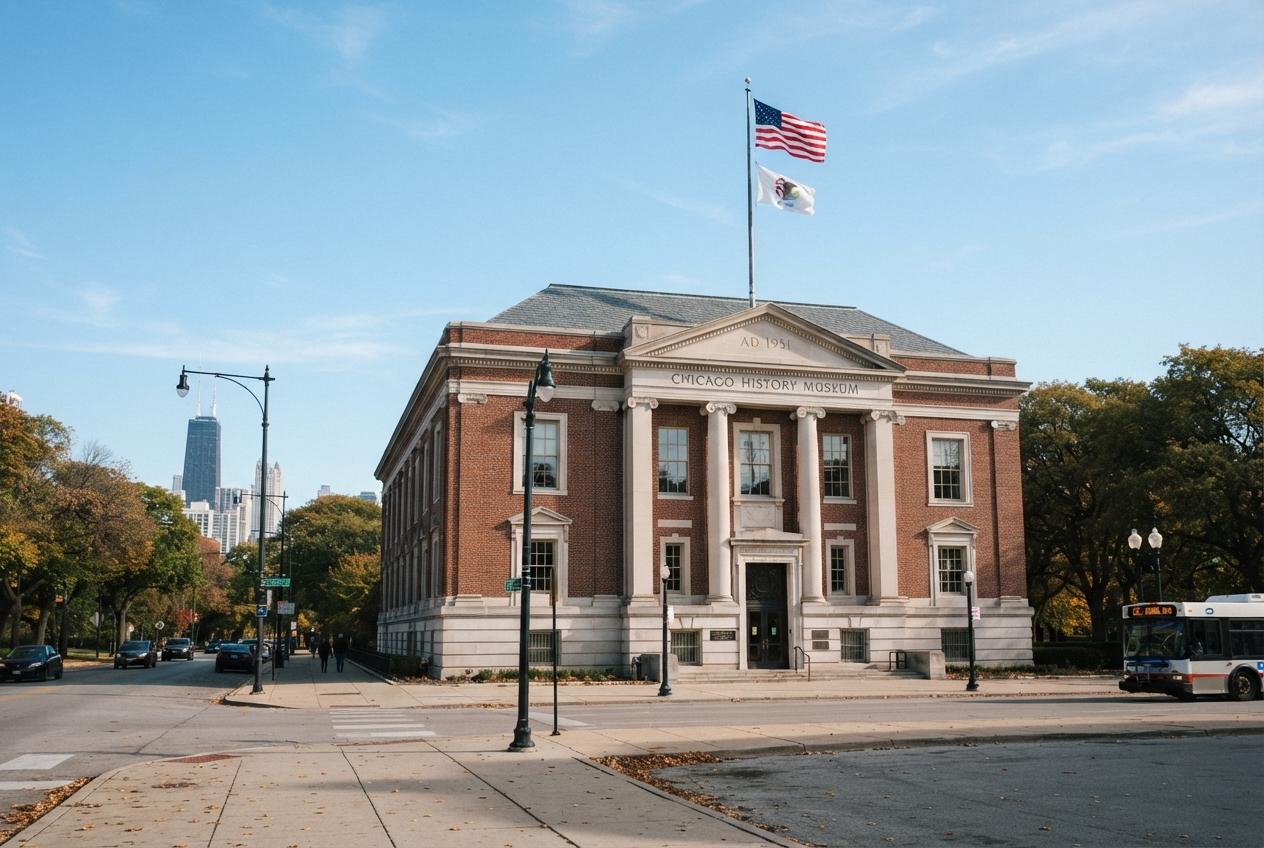
Chicago’s LGBTQ+ community is preparing to honour 18 people and organisations at the 2026 Chicago LGBT Hall of Fame induction ceremony. Held at the Chicago History Museum on 5 November, the free public event will spotlight decades of activism, care, creativity and community leadership across the city.
Essential Takeaways
- When and where: The ceremony takes place at 5.30pm on Thursday 5 November 2026 at the Chicago History Museum, 1601 N. Clark Street.
- Who’s being honoured: Thirteen individuals, two organisations and three friends of the community will be inducted.
- Entry is free: Members of the public can attend, although advance registration is requested.
- A long-running tradition: Founded in 1991, the Hall of Fame recognises contributions to Chicago’s LGBTQ+ community and the wider city.
- History remains central: The Chicago History Museum has preserved LGBTQIA+ photographs, documents and stories for decades.
Chicago’s LGBTQ+ leaders take centre stage
The ceremony will bring together a remarkably broad group of honourees, from artists and performers to public-health leaders, lawyers, elected officials and grassroots organisers. Their work spans HIV/AIDS education, transgender healthcare, marriage equality, youth support, cultural programming and community fundraising.
Among the individual inductees are Bradley Balof, Pat Cummings, David Dodd, Maya Douglas, Coquie Hughes, Simone Koehlinger, Ray J. Koenig III, Mimi Marks, Angelique Munro, Alderman Lamont J. Robinson, Marshall Titus and Michelle Wetzel. Saundra DeAnne Johnson will be inducted posthumously. The Hall of Fame’s inductee listings provide further detail on each contribution.
That range matters. Chicago’s LGBTQ+ history isn't one neat storyline, but a collection of campaigns, friendships, performances, services and hard-won public milestones. The evening promises to make that living history feel particularly close.
A free public event with a powerful setting
The Chicago History Museum will host the event at its Lincoln Park home, where doors will open for a ceremony beginning at 5.30pm. Admission is free, but visitors are encouraged to register in advance through the Hall of Fame’s RSVP page, as public interest is likely to be strong.
The venue is more than a convenient address. The museum has spent years collecting and interpreting Chicago stories, and its wider programme includes exhibitions, talks and research resources focused on LGBTQIA+ life in the city. According to the museum, its work is intended to connect people with Chicago’s past while encouraging civic engagement today.
For anyone planning to attend, registering early is the sensible move. It also means checking the latest event information before travelling, particularly if you’re coming from outside the city.
The organisations helping keep community life visible
Two organisations will also join the Hall of Fame: ADODI Chicago and Hell in a Handbag Productions. ADODI Chicago supports Black same-gender-loving men through social, artistic and health-focused programmes, while Hell in a Handbag has built a reputation for queer theatre, camp and creative collaboration.
Three friends of the community will be recognised as well: Brad Cummings, inducted posthumously, Sharyl Holtzman and Rev. Dr. L. Bernard Jakes. Their work reflects a less tidy but essential part of community history, including direct aid, faith-based support, HIV/AIDS advocacy, memorial work and neighbourhood organising.
This mix of honourees is one of the Hall of Fame’s strengths. It recognises the people on stage, naturally, but also those who organise behind the scenes, provide practical help and make sure vulnerable neighbours aren't left alone.
Why Chicago’s LGBTQ+ archive matters
The Chicago History Museum has documented LGBTQIA+ history for more than two decades through public programmes, exhibitions and its research collections. Its LGBTQIA+ history resources include material on activism, culture, rights campaigns and everyday community life.
The Lee A. Newell II photograph collection is especially evocative. It contains roughly 13,000 prints and negatives recording Chicago LGBTQ+ nightlife and activism during the 1980s and 1990s, giving researchers and the public a vivid visual record of a changing city.
The museum’s online LGBTQIA+ history hub also points visitors towards digital resources, past programmes and research guidance. Meanwhile, its exhibition Designing for Change highlights gay liberation and protest art from the 1960s and 1970s. These details give the induction ceremony a deeper backdrop: this isn't simply an awards night, but part of an ongoing effort to preserve memory.
A tradition built by the community
The Chicago LGBT Hall of Fame was founded in 1991, when its first ceremony took place during Pride Week at Chicago City Hall. The organisation describes itself as the only city-sanctioned LGBT Hall of Fame, with inductees nominated by the community for meaningful contributions to LGBTQ+ wellbeing and to Chicago itself.
The Chicago History Museum has been a longstanding partner and has hosted the ceremony for many years. The Hall of Fame recognised the museum in 2010 for preserving LGBT historical documents and artefacts, as well as for its OUT at CHM programme.
There’s something quietly moving about that continuity. Each year’s names add another layer to a record that is still being written, while the museum provides the shelves, photographs and public space that help those stories stay visible.
The 2026 ceremony takes place on 5 November at the Chicago History Museum, and free registration is available through the Chicago LGBT Hall of Fame.
It's a celebration of the people who helped Chicago’s LGBTQ+ community endure, grow and be seen.
Source Reference Map
Story idea inspired by: [1]
Sources by paragraph:
- Paragraph 1: [2], [4]
- Paragraph 2: [7]
- Paragraph 3: [2], [7]
- Paragraph 4: [3], [6]
- Paragraph 5: [4], [2]
- Paragraph 6: [3], [6]
- Paragraph 7: [7]
- Paragraph 8: [7], [2]
- Paragraph 9: [3], [6]
- Paragraph 10: [5], [6]
- Paragraph 11: [3], [6]
- Paragraph 12: [2], [7]
- Paragraph 13: [2], [3]
- Paragraph 14: [2], [7]
- Paragraph 15: [3], [6]
- Paragraph 16: [2], [7]
- Paragraph 17: [2], [3]
- Paragraph 18: [2], [4]