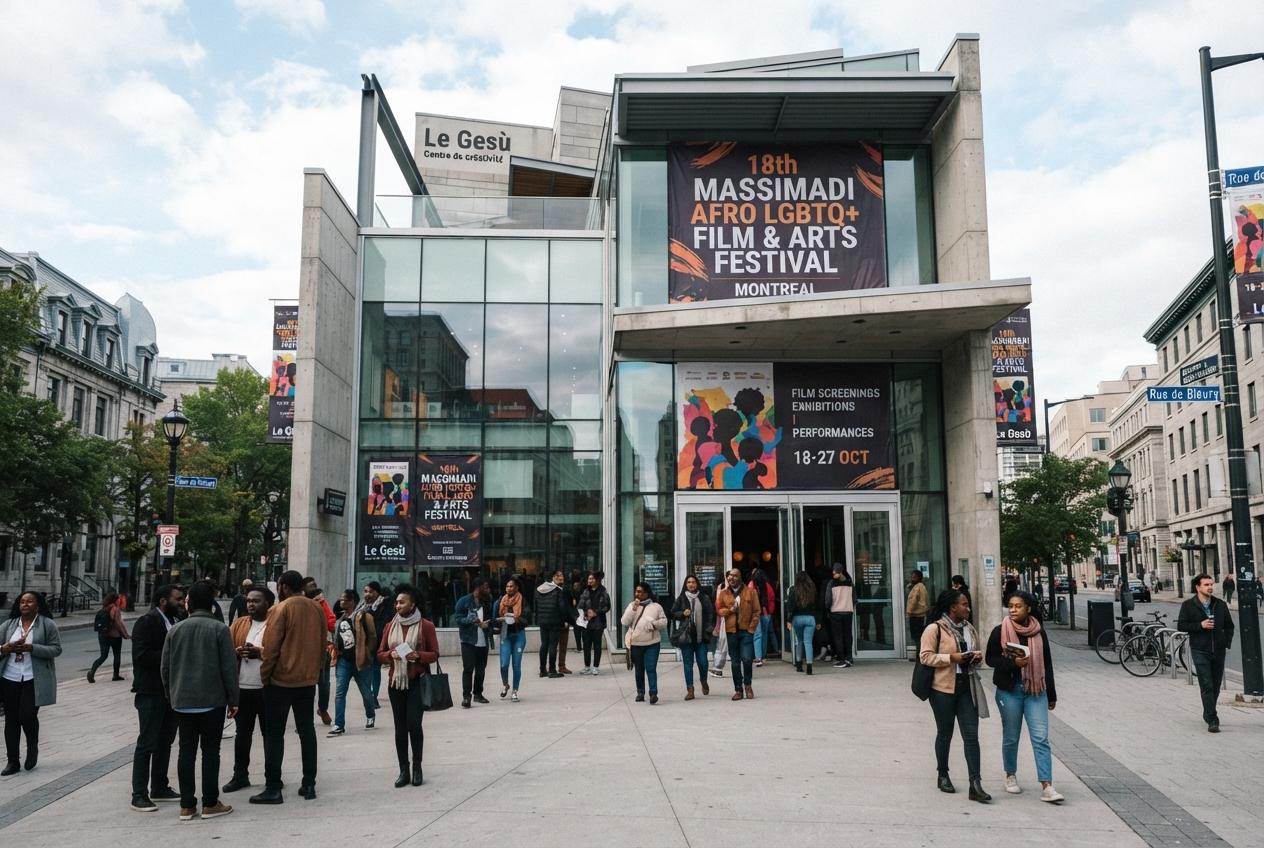
Viewers are discovering Terry Blade's 20-minute documentary My Gender Is Black through Montreal's Massimadi Afro LGBTQ+ Film and Arts Festival. Blending bold, magazine-like imagery with candid testimony, the film explores Black masculinity, queer identity and gender while asking who gets to feel visible, desirable and fully free.
Essential Takeaways
- A compact documentary: The 20-minute film tackles Black masculinity, sexuality, queerness and gender.
- Striking visual language: Saturated colour, careful lighting and composed frames give it the feel of a living photo essay.
- Many voices, one shared tension: LGBTQ+ contributors discuss identity, belonging and the pressure placed on Black men.
- A frustrating ending: The conclusion arrives abruptly, leaving at least one important story unfinished.
- Festival setting: The film is being presented through Montreal's Massimadi Afro LGBTQ+ Film and Arts Festival.
A short film with a remarkably rich visual world
The first thing My Gender Is Black grabs is the eye. Its saturated colours, luminous skin tones and deliberate framing make each shot feel ready to hang on a wall, while the men on screen are given space to appear joyful, sensual and unguarded.
That visual confidence is more than decoration. It creates a welcoming route into difficult conversations about Black masculinity and queer identity, subjects that are often reduced to headlines rather than allowed their full complexity. The film's festival presentation places that work within a wider celebration of Afro LGBTQ+ creativity, according to Massimadi's festival information. [2]
Black masculinity, seen beyond the stereotype
Blade's documentary brings together personal accounts from Black LGBTQ+ men, including reflections on sexuality, gender and the exhausting expectations attached to masculinity. The result isn't a single definition of Black male identity, but a collection of experiences that overlap, challenge one another and occasionally sit in tension.
That variety matters. The film makes room for vulnerability alongside confidence, and for pleasure alongside pain. One especially affecting perspective comes from Big Sexy, who speaks about being marginalised as a fat Black gay man, adding another layer to the question of who is allowed to feel attractive and at home in their own community.
Why the magazine comparison works
My Gender Is Black unfolds almost like a beautifully designed magazine. Images arrive as vivid spreads, while the interviews function like intimate features, each offering another angle on identity and belonging.
It makes the documentary easy to pause and absorb, but that richness also demands attention. This isn't a film to leave running in the background. Its faces, gestures and carefully lit bodies ask viewers to look closely, then listen just as carefully.
Massimadi's programme provides a natural setting for that approach. The festival's focus on Afro LGBTQ+ film and arts gives the documentary a community context, rather than treating its themes as detached or purely academic material. [4]
The ending leaves one important story hanging
The film's biggest weakness is its brevity. Twenty minutes is enough to establish a strong mood and introduce several compelling voices, but it isn't quite enough to give every story the space it deserves.
That problem becomes most noticeable when Cristian Julian Chigbolu, a trans man discussing his transition, is cut off near the end. The abrupt finish feels less like a purposeful silence and more like an unfinished edit, particularly after the film has encouraged viewers to invest so closely in its contributors.
It's a shame because the documentary has already built considerable emotional trust. A longer running time, or simply a more considered conclusion, could have allowed the final conversations to land with greater force.
A timely festival watch with plenty to discuss
As part of Massimadi's 18th edition in Montreal, My Gender Is Black sits among work that foregrounds Afro LGBTQ+ lives and creative expression. Festival listings and event information are available through Massimadi's official website. [3]
The documentary may leave viewers wanting more, but that isn't an insignificant response. Its images linger, and its questions stay active: who is seen as beautiful, who is believed, and who gets to exist without explaining themselves first? For a film this short, that's a substantial legacy.
It's a vivid, imperfect and deeply worthwhile portrait of Black queer life.
Source Reference Map
Story idea inspired by: [1]
Sources by paragraph: