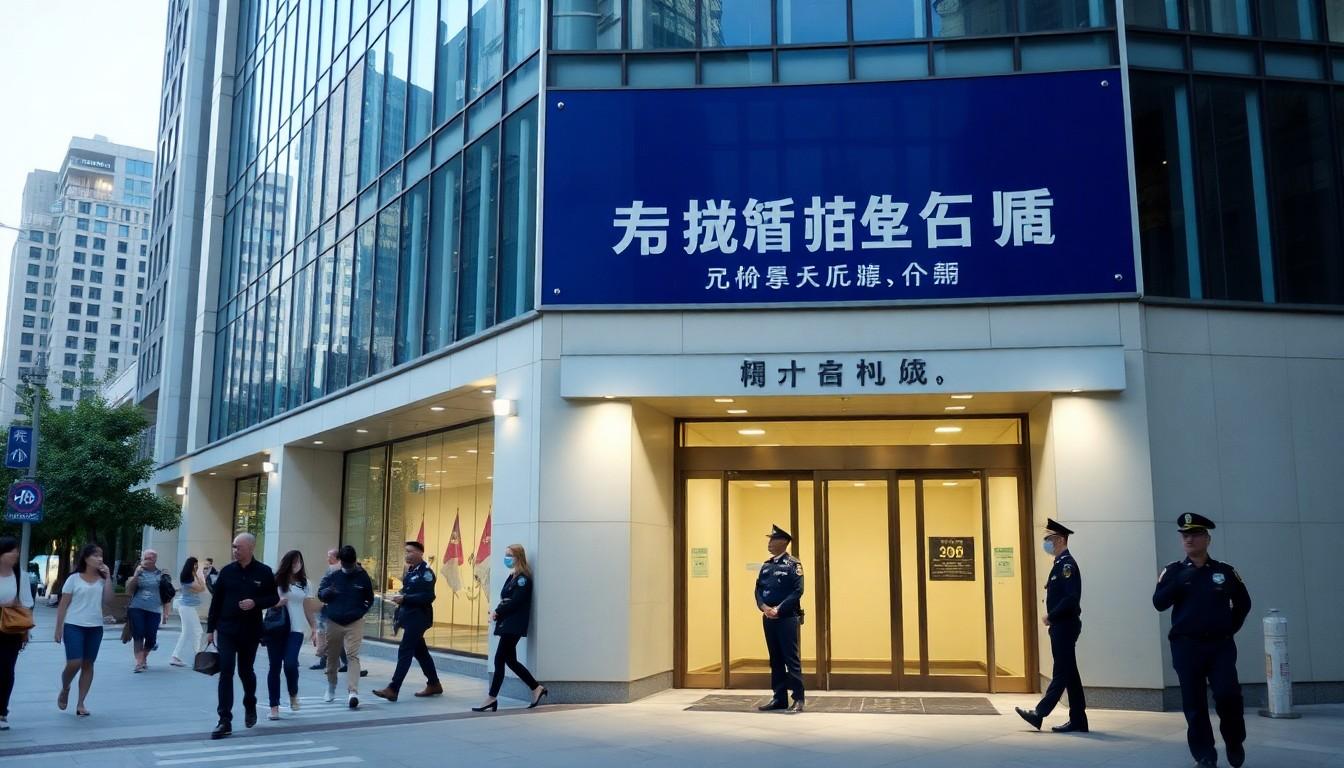
Taipei is preparing for its 24th Pride march amid renewed scrutiny of police conduct after a search at an LGBTQ+ bar. The city government has apologised, promised clearer enforcement guidance and pledged legal and psychological support for affected people, but community groups are still watching to see whether those promises lead to lasting change.
Essential Takeaways
- A public apology: Taipei City Government acknowledged the historic harm caused by discrimination, humiliation and unwanted exposure.
- Disciplinary action taken: Police said officers and senior officials received administrative sanctions after an internal investigation.
- A criminal investigation continues: Prosecutors are examining allegations including an unlawful search and restrictions on personal freedom.
- New guidance is planned: The city intends to create clearer instructions for officers and residents during police encounters.
- Support remains available: Legal advice and psychological assistance can be accessed through Taipei's LGBTQ+ information services.
Taipei Pride arrives with trust under pressure
Taipei Pride will take place on 31 October, but this year's gathering carries an added weight. The recent search at an LGBTQ+ bar has brought old fears back to the surface, particularly among people who remember when queer venues could mean exposure, humiliation or sudden scrutiny.
According to the Taipei City Government, these venues aren't simply places for a night out. They're spaces where people find friendship, safety and a sense of belonging. That makes the way public authorities enter and behave in them especially important.
The city has issued a formal apology to people and communities affected by the incident. It's a meaningful first step, but apologies only go so far when confidence in institutions has been shaken.
What happened after the bar search?
The police department completed an administrative investigation and sent its findings to Taiwan's National Police Agency, which has reviewed the report. The city said sanctions were imposed on relevant officers, the team leader and the head of Wanhua Precinct, including reprimands and more serious disciplinary measures.
Meanwhile, a criminal complaint filed with the Taipei District Prosecutors Office on 7 October is still being investigated. The allegations include an unlawful search, coercion and depriving people of their freedom of movement, while police have said they'll provide the requested material.
That distinction matters. An internal review can address workplace discipline, but a prosecutorial investigation considers whether criminal laws may have been breached. The final outcome could therefore shape any further administrative action.
Why LGBTQ+ venues need more than a quick apology
For many LGBTQ+ people, the anxiety surrounding a police visit isn't limited to that single evening. It can touch personal relationships, work, family life and the basic question of whether a trusted social space remains safe.
Recent reporting by Taiwanese media has kept attention on the treatment of LGBTQ+ communities and the responsibilities of public authorities. The wider lesson is straightforward: equal treatment has to be visible in everyday policing, not just repeated in statements during Pride season.
The city has said enforcement must never be selected because of someone's sexual orientation, gender identity or disability, nor because a venue is associated with a particular community. That's a clear principle. The harder test will be whether officers on the ground understand how to apply it calmly and consistently.
New police guidance could make rights clearer
Taipei says it will consult LGBTQ+ organisations while developing police enforcement guidance. The aim is to turn community experience and lessons from the incident into practical rules for frontline officers.
The city also plans to explain residents' rights in plain language, including how to ask why an action is being taken, express concerns, preserve relevant information and seek assistance. For anyone facing a stressful police encounter, that clarity could be more useful than dense legal wording.
If you're entering a situation where police are carrying out checks, staying calm, noting names or identifying details when safe, and seeking legal advice afterwards can help preserve an accurate record. People affected by this case can also contact Taipei's LGBTQ+ information services for referrals to free legal consultation and community mental-health centres.
Support and accountability now move together
Taipei has promised both practical support and longer-term reform. That includes legal and psychological assistance for people affected by the search, stronger training for officers and the use of the incident as an educational case across frontline units.
The city has also said it will continue listening to community organisations rather than treating the matter as closed once disciplinary paperwork is finished. That approach matters because trust is rebuilt through repeated, observable behaviour, not a single press statement.
As Taipei approaches its Pride march, the public response will be closely watched. A city can describe itself as inclusive, but the real measure is whether people can meet, celebrate and ask for help without feeling that their identity makes them a target.
Change will be judged in the quiet moments after the headlines fade.
Source Reference Map
Story idea inspired by: [1]
Sources by paragraph: