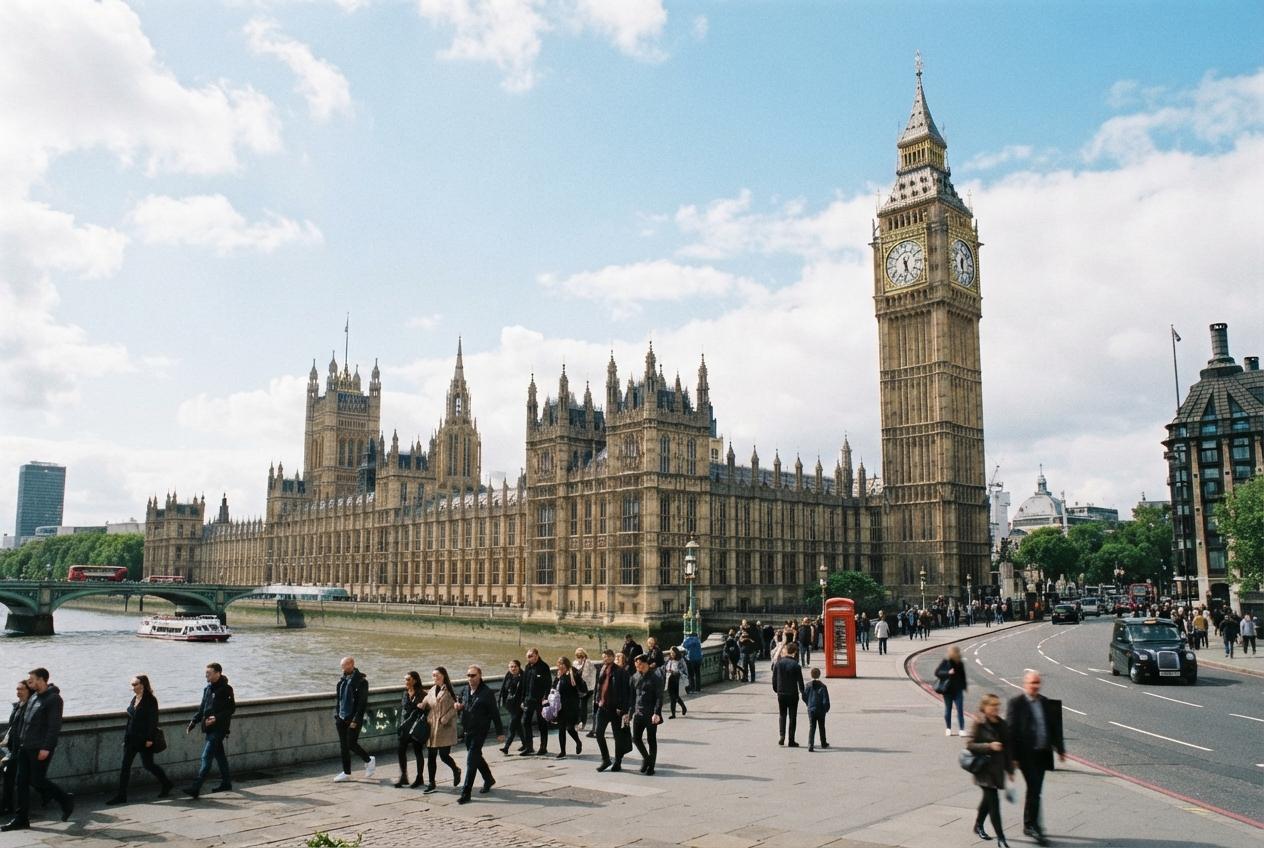
Survivors and LGBT+ organisations are pressing Westminster to strengthen the draft conversion practices bill, warning that abuse can be hidden inside families, faith communities and supposedly supportive settings. Fresh evidence to Parliament highlights why a comprehensive ban matters, while professionals are being urged to share their expertise before the consultation deadline.
Essential Takeaways
- Public scrutiny has begun: A parliamentary committee is examining the draft bill before a final version is introduced.
- The proposed ban matters: Campaigners want protection covering attempts to change or suppress both sexual orientation and gender identity.
- Abuse can be concealed: Evidence suggests conversion practices may involve relatives, religious leaders, peers or multiple perpetrators.
- Existing laws have gaps: Organisations say offences such as coercive control and hate crime don't cover every situation.
- Evidence deadline: Survivors and professionals can submit written evidence by 17:00 on 16 November 2026.
Survivors describe abuse hidden in plain sight
The most disturbing evidence is also the clearest: conversion practices don't always look like a formal programme or organised therapy session. According to Galop, survivors have described pressure and abuse taking place across homes, extended families and religious communities, often over long periods.
One case shared with the committee involved a lesbian woman subjected to forced religious rituals, public humiliation and physical abuse after her family discovered her sexuality. The account also raised concerns about whether social services recognised what was happening, particularly when safeguarding decisions placed her back near the same community.
That detail matters because conversion practices may be difficult to identify from the outside. Galop's research has repeatedly drawn attention to experiences that remain hidden, with some people only understanding what happened to them years later.
Why campaigners say current law isn't enough
The draft legislation is now undergoing pre-legislative scrutiny, a stage where a joint committee gathers evidence and recommends improvements. It can't rewrite the bill itself, but its findings will help shape the Government's response before the final legislation reaches Parliament.
The Ban Conversion Practices Coalition argues that existing offences leave important gaps. Stonewall has similarly campaigned for a dedicated ban, saying a specific law would give public authorities clearer guidance and make the behaviour easier to recognise.
Coercive-control laws, for example, don't cover every relationship in which conversion practices can occur. Hate-crime rules can also fall short where there isn't a separate underlying offence, or where the perpetrator claims to be acting out of care, belief or concern. That uncomfortable grey area is precisely why campaigners want legislation designed for the problem itself.
A comprehensive ban would cover sexuality and gender identity
The central political question is what the bill should prohibit. Humanists UK and LGBT+ organisations want it to cover attempts to change or suppress both sexual orientation and gender identity, including practices carried out in religious environments.
Stonewall's policy work has warned that conversion practices can take many forms, from counselling and prayer to pressure, isolation and other coercive behaviour. The range is part of the challenge: a law focused only on one setting or method could leave people exposed elsewhere.
For readers trying to understand the issue, the simplest distinction is this: the concern isn't ordinary discussion, personal belief or someone seeking support freely. It's pressure, manipulation or coercion aimed at making a person deny or alter who they are. Consent becomes especially complicated when a young person depends on family, housing, education or a faith community.
Clear guidance could help authorities spot the warning signs
Stonewall has said statutory authorities struggle to identify conversion practices because they're often private, complicated and deliberately concealed. That can make gathering reliable data difficult, much as it is with domestic abuse.
A dedicated offence could help police, social workers, teachers, clinicians and courts use the same language when concerns emerge. It might also act as a deterrent, particularly where people currently assume that harmful conduct will be treated as a family matter or a religious dispute.
Galop's research and survivor-focused work underline the practical need for better training, not just a new legal label. Frontline professionals need to know what coercion can look like, how to ask safe questions and where to refer someone without increasing the risk.
What happens next in Parliament?
The committee is accepting written evidence from survivors, counsellors, psychotherapists, clinicians, lawyers, academics, police, safeguarding specialists, teachers and youth workers. Survivors can ask for their submissions to be anonymous or confidential, which may make taking part feel more manageable.
The deadline is 17:00 on Monday 16 November 2026. After reviewing evidence, the committee will publish recommendations, and the Government will respond before introducing a final bill. Northern Ireland is pursuing separate legislation through its own Assembly.
The timetable offers a route towards stronger protection, but campaigners remain alert to delay. Stonewall has previously criticised the Government for missing its promised timeline, while Galop's evidence continues to show the human cost of leaving people unprotected.
A stronger law won't solve every safeguarding failure overnight, but it could give survivors and professionals something they currently lack: a clear, consistent way to name what happened.
Explore the consultation process and share evidence safely if you're able to contribute.
Source Reference Map
Story idea inspired by: [1]
Sources by paragraph: