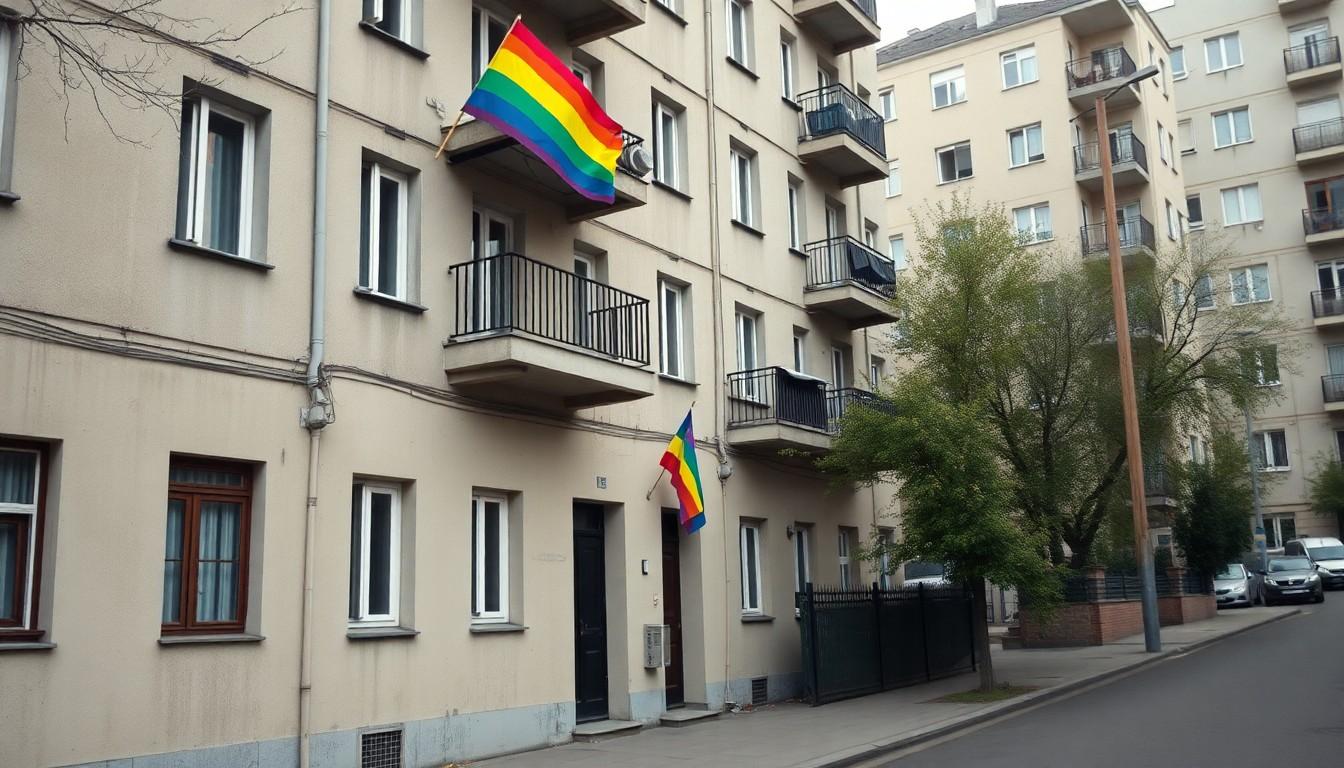
Believers and clergy are quietly reshaping religious life in Russia, where queer people face criminalisation, social pressure and official condemnation. Their stories reveal how LGBTQ+ Christians reconcile identity and faith, often through private worship, trusted communities and a deeply personal understanding of love.
Essential Takeaways
- A dangerous legal climate: Russia’s Supreme Court labelled the supposed “international LGBT movement” extremist in November 2023.
- Faith hasn’t disappeared: Some queer believers continue praying, studying scripture and attending discreet services.
- Private worship matters: Small gatherings in homes offer community without the visibility of a public church.
- Interpretation is contested: Supportive clergy argue biblical passages must be understood through their historical and linguistic context.
- Safety comes first: Names, locations and religious affiliations may be concealed to reduce the risk of harassment or prosecution.
A legal crackdown reaches into private belief
The pressure facing queer Christians in Russia isn’t only theological. It sits inside a much wider system of surveillance and punishment that has made even ordinary symbols or expressions of solidarity risky.
In November 2023, Russia’s Supreme Court declared the so-called international LGBT movement extremist, despite no such organisation existing as a single legal entity. Amnesty International warned that the ruling could have “catastrophic consequences”, while Human Rights Watch said it would expose people and groups to further persecution.
The Guardian reported that the decision could criminalise activity associated with LGBTQ+ rights, from public advocacy to displaying rainbow symbols. Euronews and The Moscow Times likewise described the ruling as a major escalation in the state’s campaign against queer people.
For believers, the consequences are especially intimate. A church service, a blessing or even a private conversation about sexuality can carry risks that reach far beyond social embarrassment. The result is a religious life that often has to remain almost invisible.
Why home worship has become a lifeline
Some independent Christian communities now meet in flats rather than churches. The setting is modest, perhaps a few chairs, a table and the soft hush of people trying not to attract attention, but worshippers say the intimacy can be powerful.
Supportive priests and ministers may baptise people, celebrate communion and bless couples away from official institutions. These gatherings can include LGBTQ+ believers, people from other denominations and those who have stepped away from organised religion but still want a spiritual connection.
The model isn’t entirely new. Early Christians also worshipped in private homes, often because public religious life was impossible or unsafe. Today, however, the pattern reflects a modern fear of raids, fines and accusations rather than a chosen aesthetic.
The practical advice for anyone seeking such a community is simple but serious: prioritise personal safety, verify contacts through trusted people and avoid sharing identifiable details online. In a country where a rainbow flag can attract legal attention, discretion isn’t paranoia. It’s protection.
Queer identity and Christian belief aren’t a simple contradiction
The official Russian Orthodox position has generally treated same-sex relationships as sinful and demanded repentance rather than recognition. That leaves queer Christians facing a painful choice: abandon their faith, hide part of themselves or search for another interpretation.
Some believers reject the idea that sexuality undermines religious commitment. They see compassion, loyalty and mutual care as central Christian values, and argue that a loving relationship can sit comfortably alongside prayer and devotion.
That argument also appears in inclusive theology, which examines the original languages and social worlds behind biblical passages commonly used against LGBTQ+ people. Supportive clergy say terms translated today as references to homosexuality may have referred instead to exploitation, coercion, prostitution or unequal relationships.
This isn’t merely an academic dispute. For someone who has grown up hearing that their identity makes them morally defective, a different reading can offer relief. It can turn faith from a source of shame into something that feels inhabitable again.
The church’s institutional position remains a major barrier
There’s a sharp gap between individual kindness and institutional policy. A priest may quietly welcome a queer worshipper, yet the organisation around them can still condemn same-sex relationships and treat LGBTQ+ equality as a threat.
That gap helps explain why some believers remain attached to prayer and Christian culture but withdraw from official churches. Others continue attending services only when they trust the priest and congregation not to endorse violence, war or discrimination.
The political context makes those choices even harder. Independent reporting from The Guardian, Amnesty International and Human Rights Watch has documented how the extremist designation increased the danger surrounding LGBTQ+ expression and support networks.
Meanwhile, personal histories can be complicated. Some queer believers describe coercive relationships, pressure to appear “normal” or damaging attempts to change their orientation through prayer. Others say friends, relatives or individual clergy helped them reclaim confidence. Religion, in other words, can wound and sustain, sometimes within the same lifetime.
What the future may hold for queer religious communities
Open LGBTQ+ Christian organising inside Russia is likely to remain difficult while the extremist designation and related restrictions stay in force. Public websites, social media pages and identifiable meeting places can create obvious vulnerabilities, so communities may continue relying on personal referrals and small circles of trust.
Some clergy who once served queer congregations have left Russia but continue their work abroad. Others have moved into scholarship, informal pastoral care or online conversations, where they can discuss theology without placing a visible congregation at risk.
The wider lesson is uncomfortable but important. Suppressing a community doesn’t erase its beliefs or relationships; it simply pushes them into quieter, less visible forms. For queer Christians, faith may now look less like a public institution and more like a whispered prayer, a borrowed room or one trusted person saying, “You still belong.”
The legal picture remains bleak, but the persistence of these communities shows that spiritual identity can survive even when institutions try to define who is allowed to have one.
It’s a small, quiet form of resistance, but it matters.
Source Reference Map
Story idea inspired by: [1]
Sources by paragraph:
- Paragraph 1: [2], [3]
- Paragraph 2: [4], [5]
- Paragraph 3: [6], [2]
- Paragraph 4: [3], [4]
- Paragraph 5: [2], [5]
- Paragraph 6: [3], [6]
- Paragraph 7: [4], [2]
- Paragraph 8: [5], [3]
- Paragraph 9: [2], [4]
- Paragraph 10: [3], [5]
- Paragraph 11: [6], [2]
- Paragraph 12: [4], [5]
- Paragraph 13: [3], [6]
- Paragraph 14: [2], [4]
- Paragraph 15: [5], [3]