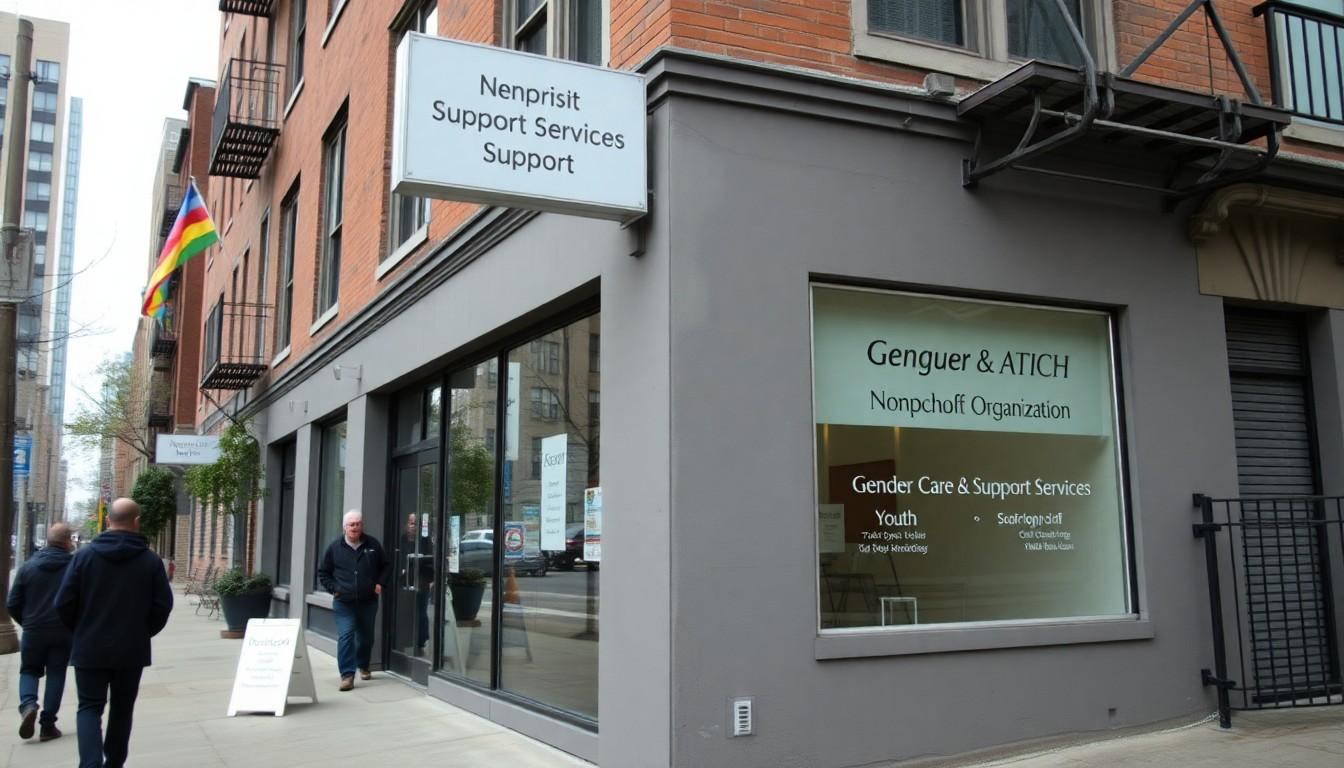
Families seeking gender-transition treatment for minors are increasingly turning to travel assistance, telehealth and cross-border medical networks as state restrictions spread across the US. The debate is intensely political, but the practical questions are immediate: how referrals work, who pays, where prescriptions are filled and whether children can receive consistent follow-up care.
Essential Takeaways
- Restrictions are widespread: 27 US states have enacted laws limiting puberty blockers, hormones or surgery for minors seeking gender transition.
- Travel support has grown: Campaign for Southern Equality says its Trans Youth Emergency Project has helped families with referrals and travel funding.
- Telehealth is central: Some providers offer remote consultations, although licensing, location checks and prescription rules vary.
- Legal workarounds raise questions: Investigators described providers discussing alternative diagnosis codes, mail-order medicines and out-of-state pharmacies.
- Monitoring still matters: These treatments can require regular clinical checks, making fragmented care a serious practical concern.
A national support network has taken shape
When a family lives in a state with restrictions, the journey may now involve much more than booking a clinic appointment. According to City Journal's investigation, advocacy groups have built networks linking families with doctors, travel funds, telehealth services and partner organisations in states where treatment remains available.
The most prominent example is the Campaign for Southern Equality's Trans Youth Emergency Project. The organisation says the project works with more than 130 partners and has distributed substantial travel assistance to families seeking care. Its own materials describe a broader effort to improve healthcare access for LGBTQ+ people across the American South.
That support can be practical rather than abstract. Families may need help paying for transport, finding a clinician willing to accept out-of-state patients or arranging appointments around school and work. For parents already facing a confusing healthcare system, a navigator can feel like a lifeline.
Travel grants and referrals are changing the route to care
City Journal reported that families were offered referrals to clinics in states including Illinois, Michigan, Oregon and California. In some cases, the organisation also discussed grants worth hundreds of dollars to help with transport, while another partner, Elevated Access, has arranged flights for people travelling for abortion or gender-related medical services.
The Southern Equality Fund and related projects present this work as a response to laws they regard as discriminatory. Their public-facing information focuses on financial assistance, community health and helping people reach affirming providers, rather than leaving families to navigate long-distance care alone.
But the model creates a curious new geography of healthcare. A child might live in Tennessee or Idaho, travel to another state for an appointment, collect medication from a pharmacy across a border and complete follow-ups online. It can work on paper, yet the further care is spread out, the more important clear records and communication become.
Telehealth makes access easier, but rules vary
Telehealth has become one of the most visible tools in this system. QueerMed and other providers advertise online consultations, while the services offered by different clinics vary according to age limits, state licensing and the type of treatment involved.
That flexibility is attractive for families who can't regularly make long journeys. A video appointment can remove hotel costs, time off work and repeated travel. Still, a clinician generally needs to know where a patient is physically located during a consultation, and state prescribing rules can be complicated.
Families considering remote care should ask simple but crucial questions: Who will monitor blood tests? Which doctor handles emergencies? Where will prescriptions be dispensed? Will the child's local GP receive records? A smooth video call is useful, but it isn't the same as a complete care plan.
Diagnosis codes and prescriptions are at the centre of the dispute
The most serious claims in the investigation concerned the use of alternative diagnosis codes and different routes for supplying medicines. City Journal reported that representatives at several clinics discussed codes linked to endocrine disorders, while others described sending prescriptions to pharmacies or homes in states with restrictions.
Those allegations need careful scrutiny because diagnosis codes aren't merely administrative labels. They influence insurance claims, medical records and the information available to other clinicians. If a code doesn't accurately describe why a medicine is prescribed, it can create legal and medical risks for families and providers.
Not every organisation contacted by the investigation endorsed these practices. Some clinics said they followed applicable laws, required patients to be physically present in the provider's state or rejected any suggestion of changing prescription details to avoid restrictions. That distinction matters, especially in a fast-moving area where telemedicine rules can differ sharply from one state to the next.
The biggest concern may be continuity of care
The political argument often focuses on access versus prohibition, but families also face a quieter healthcare problem: continuity. Puberty blockers and hormones may involve ongoing appointments, laboratory tests and monitoring for side effects. When treatment is split between distant specialists, online services and local doctors who may not know about it, gaps can appear.
City Journal cited concerns about delayed disclosure and complications when families fear scrutiny from nearby healthcare professionals. Even where treatment is legally available, parents should keep a complete medication list, retain test results and make sure an emergency doctor can see relevant information.
The wider evidence is also contested. Supporters call gender-affirming treatment essential care, while critics point to uncertainty around long-term outcomes and the quality of research involving minors. That disagreement isn't likely to disappear soon, but it makes careful consent, transparent records and reliable follow-up all the more important.
State restrictions have pushed families towards increasingly creative ways of reaching providers. Whether that network expands or faces tighter enforcement, the practical lesson is straightforward: remote access can open a door, but safe care still depends on trustworthy clinicians, accurate records and steady medical supervision.
It's a complicated route to care, and families deserve clarity at every turn.
Source Reference Map
Story idea inspired by: [1]
Sources by paragraph:
- Paragraph 1: [2], [3]
- Paragraph 2: [3], [5]
- Paragraph 3: [6], [7]
- Paragraph 4: [2], [3]
- Paragraph 5: [3], [6]
- Paragraph 6: [2], [7]
- Paragraph 7: [4], [3]
- Paragraph 8: [4], [2]
- Paragraph 9: [2], [4]
- Paragraph 10: [2], [5]
- Paragraph 11: [2], [7]
- Paragraph 12: [2], [3]
- Paragraph 13: [2], [7]
- Paragraph 14: [2], [4]