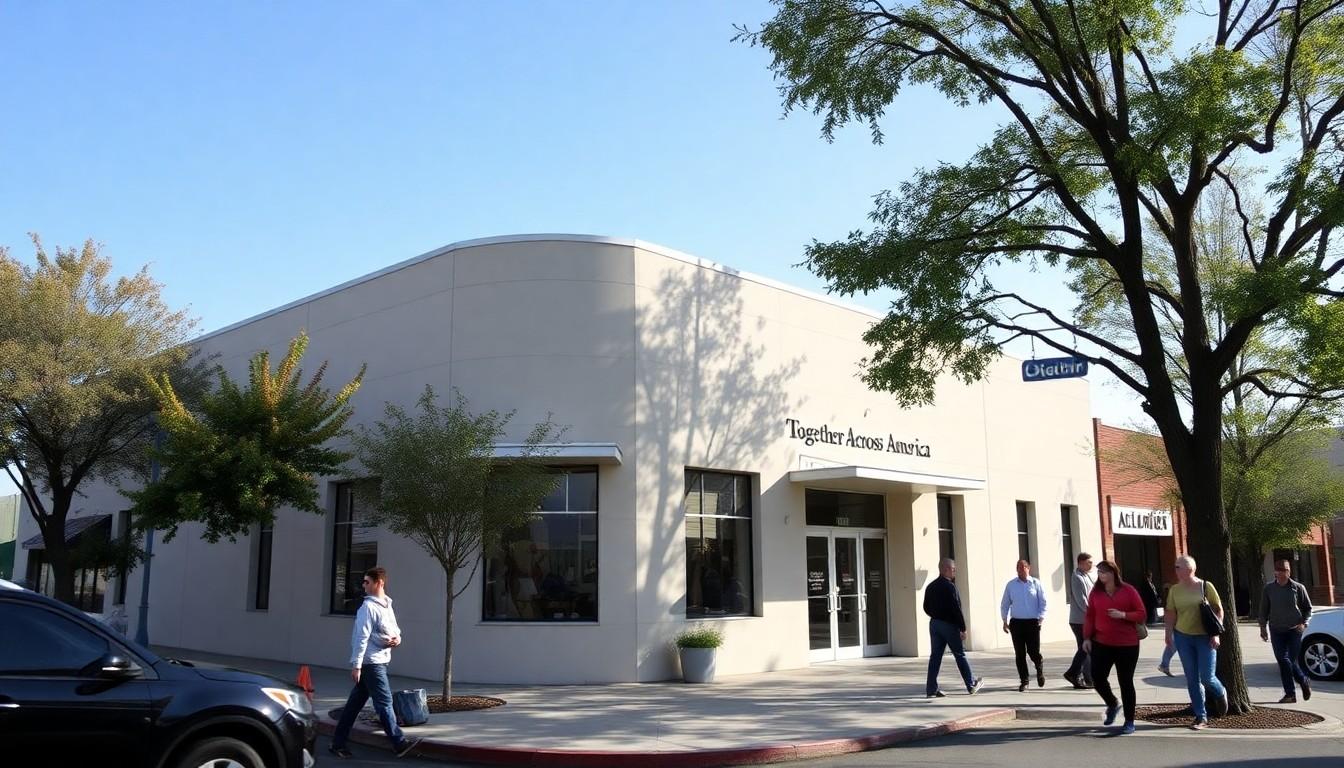
Fresno organiser Robin McGehee has been named to Out magazine's Out100 list, highlighting her grassroots LGBTQ+ advocacy and wider campaign for community unity. The Central Valley recognition celebrates a leader whose work stretches from local organising to events across several US states, offering a hopeful reminder that meaningful change often starts close to home.
Essential Takeaways
- National recognition: McGehee has been included in Out magazine's annual Out100 list of influential LGBTQ+ people and changemakers.
- Local roots: Her advocacy grew through community organising in Fresno, including work as the city's first LGBTQ+ liaison.
- A wider movement: Together Across America aims to bring people together across political and social divides.
- Practical focus: The organisation encourages people to build supportive local networks and become more involved in their communities.
- A hopeful message: McGehee sees the recognition as a useful platform for continuing the work, rather than an endpoint.
A Fresno organiser gets a national spotlight
McGehee's first reaction to the Out100 news was disbelief. The recognition may sound grand, but her work remains rooted in the everyday business of bringing people together, making space for LGBTQ+ residents and encouraging neighbours to stand up for one another.
Out describes the Out100 as an annual celebration of influential LGBTQ+ figures and emerging changemakers. For McGehee, the honour adds a bright national spotlight to advocacy that has largely been built through grassroots relationships and persistent local effort, according to ABC30.
That contrast is part of what makes the story resonate. Awards tend to arrive with polished photographs and formal applause, while organising often involves long meetings, difficult conversations and plenty of unglamorous groundwork.
From Fresno's first LGBTQ+ liaison to a broader movement
McGehee previously became Fresno's first LGBTQ+ liaison, a role that placed her at the intersection of local government, community concerns and public visibility. The position also helped underline why representation matters, particularly for residents who may not always feel heard by civic institutions.
Her advocacy has since continued through Together Across America, a nonprofit movement focused on replacing division with connection. The organisation's leadership information presents the work as a broad effort to mobilise communities and encourage people to take part in constructive, values-led action, rather than simply watch from the sidelines.
The goal sounds ambitious, but its language is deliberately accessible. You don't need a national platform to help create change; sometimes the most useful starting point is a conversation, a local event or a reliable group of people who are willing to show up.
Together Across America takes its message on the road
The movement has held gatherings in California, Missouri and Oklahoma, giving its unity-focused message a reach beyond Fresno. Its events page points to a programme built around bringing people into the same room, which can feel quietly radical in an era when public debate is often conducted through angry posts and quick reactions.
That travelling approach also reflects a practical truth about advocacy. National conversations matter, but trust is usually built face to face, through familiar voices and repeated contact. A community event may not produce an instant breakthrough, yet it can help someone feel less isolated and more confident about getting involved.
Out's coverage gives McGehee a larger audience for that message. The opportunity is valuable because visibility can help connect established organisers with people who are still looking for a first step into community work.
What can readers do locally?
McGehee's example offers a straightforward lesson: start with the people and organisations already doing the work around you. Together Across America's resources include ways to find supportive contacts and community allies, which can be useful for anyone unsure where to begin.
A sensible first move is to look for local LGBTQ+ groups, mutual-aid projects, cultural organisations or public events. Before volunteering, check what a group actually needs. Some may need help with communications, transport or event support, while others may value people who can simply attend regularly and listen carefully.
For those who want to support Together Across America directly, the organisation also provides donation information. Financial contributions aren't the only way to help, but steady funding can make it easier for grassroots groups to plan beyond the next event.
Why the Out100 recognition matters now
McGehee has drawn inspiration from civil rights figures including Martin Luther King Jr., Medgar Evers and Central Valley activist Dolores Huerta. That history gives her work a clear sense of continuity: progress is rarely tidy, and optimism often depends on people continuing even when the next chapter is uncertain.
The Out100 recognition doesn't suggest the work is finished. Instead, it gives McGehee another channel through which to share a message about dignity, neighbourliness and collective action, while introducing Together Across America to people who may not have encountered it before.
There is something encouraging in that balance. McGehee isn't presenting an award as proof that every problem has been solved; she sees it as an opportunity to keep building. In community organising, that may be the most useful kind of recognition.
It's a national honour with a distinctly local lesson: lasting change still begins with people showing up for one another.
Source Reference Map
Story idea inspired by: [1]
Sources by paragraph: