A Swedish pastor’s Christian sexuality comic has triggered a heated dispute after its Budapest launch, with critics questioning its suitability for teenagers and supporters defending theological discussion. The episode matters because it sits at the intersection of youth publishing, church identity and Hungary’s increasingly charged debate over education, sexuality and religious authority.
Essential Takeaways
- The publication: Johanna Wikberg’s comic explores Christian views of sexuality through biblical and historical conversations.
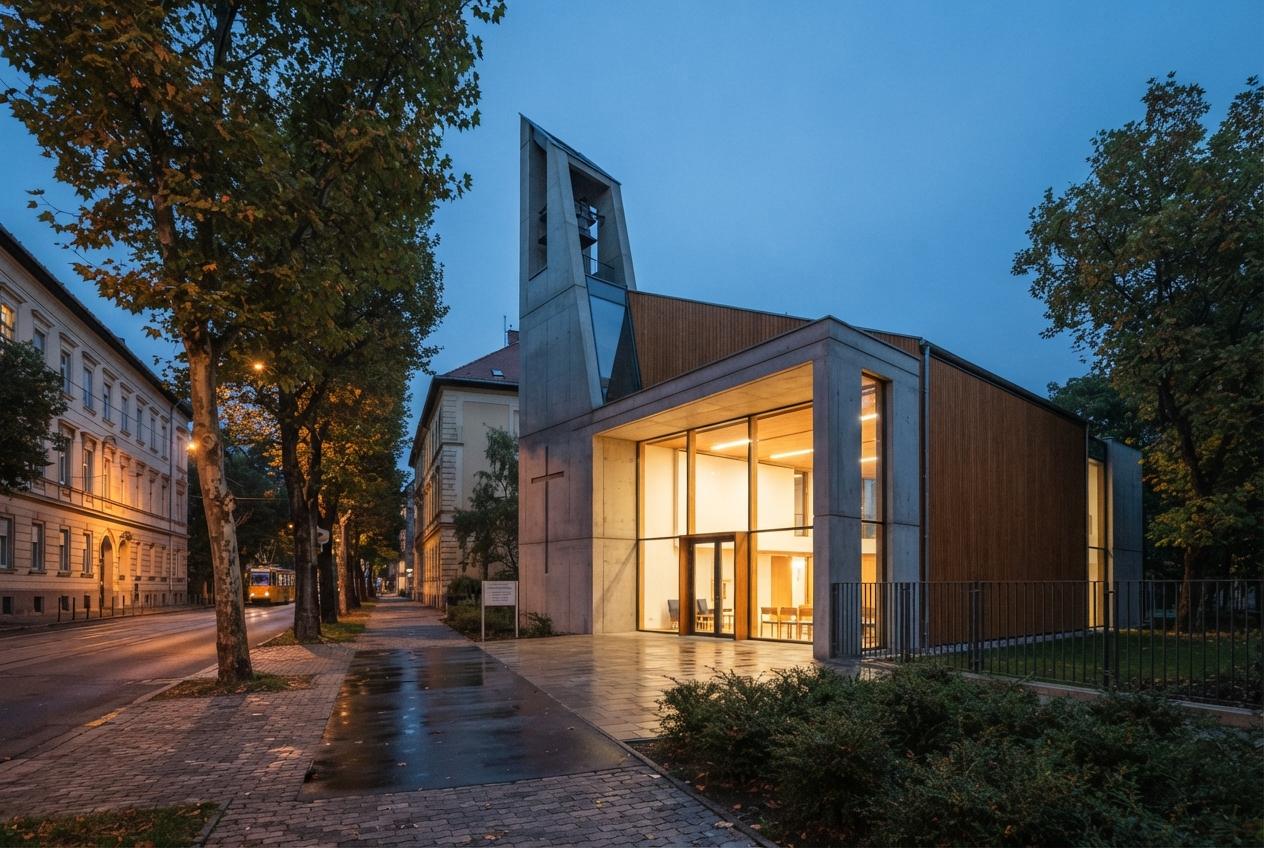
- The launch: It was presented at a Budapest event involving the Budapest-Fasor Evangelical congregation, Mosaik and Cser publishing house.
- The controversy: Critics objected to an analogy involving male anal sex and Jesus’s suffering, arguing that the material is inappropriate for young readers.
- The wider dispute: The launch has become part of a broader argument over Hungary’s child-protection laws and the role of churches in public life.
- The unresolved question: The debate is less about one book than about who gets to shape teenagers’ understanding of faith, identity and relationships.
A youth comic becomes a flashpoint
The controversy began with a book presentation in Budapest, but it quickly became something much larger. Johanna Wikberg’s illustrated publication is aimed at teenagers and uses a queer character and a companion to explore questions about sex, faith and the Bible.
According to Hír TV, the book includes a comparison between sex between men and the suffering of Jesus. That detail has driven much of the criticism, with opponents describing the treatment as provocative rather than pastorally helpful. For many readers, the issue is not simply the subject matter but the decision to place such an analogy in a publication designed for adolescents.
The event itself wasn't a school lesson, as reports have stressed. Still, the intended readership gives the dispute its particular force. Material presented in a church setting can carry a different sense of authority, especially for families deciding what kinds of religious or sexual education their children should encounter. Hír TV reported on the book's launch and the reaction surrounding it. [5]
Why the launch has become politically charged
Hungary's debate over sexuality and children has intensified alongside arguments about amendments to the Child Protection Act. Critics of the changes say they weaken restrictions on the promotion or depiction of homosexuality to minors, while supporters present them as part of a broader effort to protect children and align national policy with European expectations.
That political backdrop has made the Budapest event easy to interpret through a partisan lens. The book is no longer being discussed only as a work of religious education or youth publishing. It has become a symbol for competing visions of what children should be taught, who should teach it and whether churches ought to follow social change or resist it.
The wider policy discussion also includes questions about gender identity, school access and the boundaries of parental authority. Reporting linked the legislative dispute to concerns that schools could become more open to what opponents call gender ideology. Those claims remain politically contested, but they explain why a small book launch has attracted such intense attention. Related coverage has examined the legal and political background to Hungary's child-protection debate. [6]
A clash over what a modern church should be
The sharpest criticism has come from people who believe Lutheran institutions are drifting away from traditional Christian teaching. In their view, the Budapest event reflects a broader Western trend in which churches increasingly engage with progressive positions on sexuality, migration and identity.
That argument echoes disputes in Germany and Scandinavia, where some congregations have embraced more inclusive approaches while others say church leaders have become too closely aligned with political movements. Evangelical churches in those countries have also faced falling membership, adding an uncomfortable practical question: can a church modernise without losing the people who built its congregations?
Supporters of a more open approach would frame the issue differently. They might argue that teenagers are already asking difficult questions about sex, identity and faith, and that churches should offer honest, thoughtful answers rather than leave young people to navigate those subjects alone. A comic can be approachable and less intimidating than a formal theological text, although its tone and imagery still matter enormously.
The discussion has produced competing theological responses, with one Hungarian evangelical platform criticising what it sees as militant opposition and another focusing on the book's perceived ideological implications. That split shows how little agreement there is even among people who share a Christian vocabulary. [3] [4]
What parents should look for in faith-based books
For families, the practical question is simpler than the political argument: is the material suitable for this particular child? A book aimed at teenagers should make its age range clear, explain its educational purpose and avoid relying on shock value where careful context is needed.
Parents may want to read a few pages before handing over a religious comic, then discuss what the young reader has understood. Questions such as "What do you think the author is trying to say?" and "Does this fit with what you've been taught at church or home?" can turn a potentially awkward discovery into a useful conversation.
Context is especially important when a book uses biblical figures or Christian imagery. Young readers may not distinguish between an author's interpretation and established doctrine, so publishers and churches should be transparent about the perspective being presented. The original reporting identified the event as a public book presentation rather than formal classroom instruction, a distinction worth keeping in mind. [2] [5]
The argument is unlikely to disappear
The dispute reflects a familiar European pattern: cultural questions arrive in schools, churches and publishing at the same time, and each institution becomes a proxy battleground for the others. In Hungary, that pattern is sharpened by an already polarised political climate and deep mistrust between conservative and progressive camps.
There is also a human cost to the way these debates are conducted. Teenagers who are trying to understand faith or sexuality can easily feel reduced to symbols in an adult culture war. A loud argument may attract attention, but it rarely gives young people the patient guidance that both sides claim to value.
For churches, the challenge is to explain whether a controversial book represents an official position, a local initiative or simply one author's perspective. Until that distinction is clear, every similar event risks being treated as evidence of a sweeping institutional transformation. The publication's launch has already prompted wider commentary about the direction of Lutheran life in Hungary and the relationship between church leadership and congregations. [3] [4] [7]
It's a small book launch with a very large argument wrapped around it.
Source Reference Map
Story idea inspired by: [1]
Sources by paragraph: