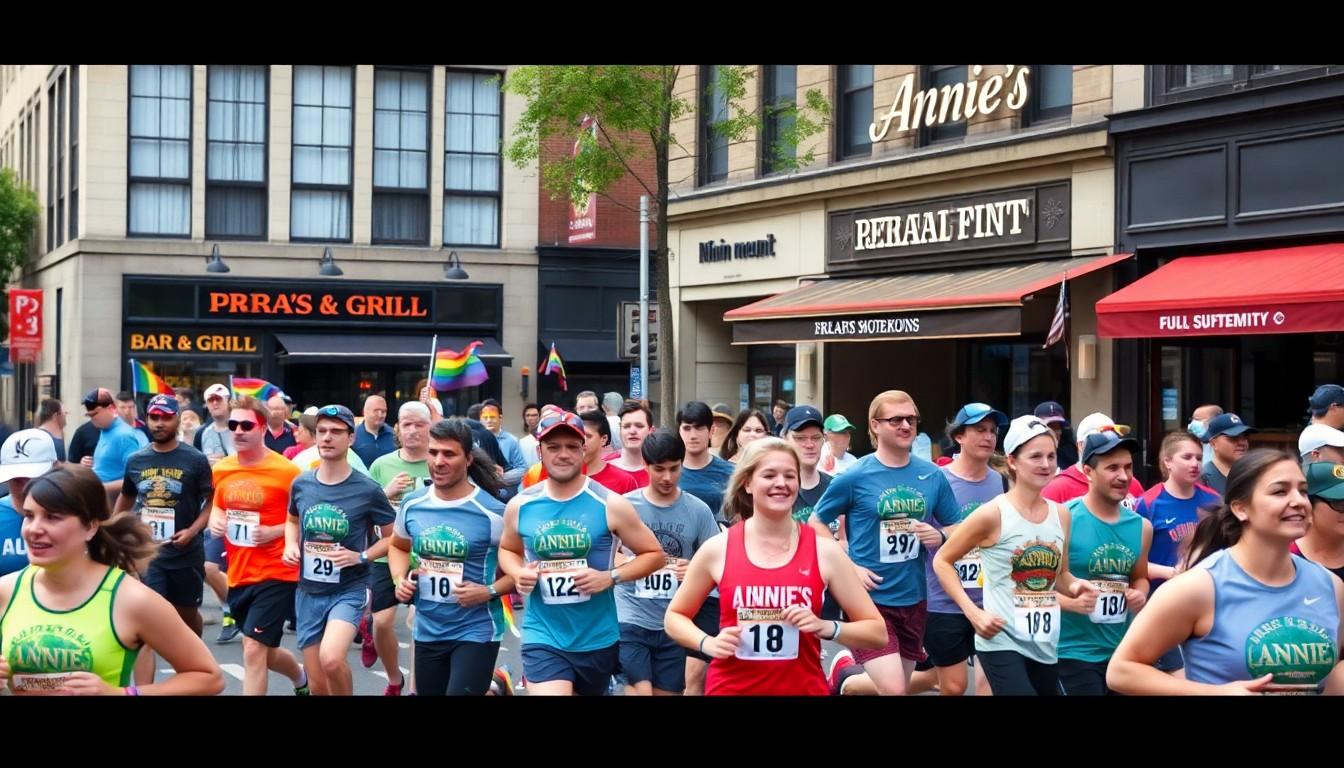
Crowds, costumes and spectacular footwear filled 17th Street in Washington DC for the annual High Heel Race, a much-loved LGBTQ+ tradition that has grown from a tiny Halloween dash into one of the capital's most colourful public celebrations. The milestone edition also honoured the local venues and community history that helped it take off.
Essential Takeaways
- A four-decade tradition: The race began in 1986, with a break only in 2020.
- A lively local route: Runners and spectators gather along 17th Street, where the event first began.
- More than a race: Drag performances, Halloween costumes and cheering crowds make it a full community spectacle.
- A close finish: Kenny Monroe was declared the winner after an unexpected interruption at the line.
- A lasting tribute: A new mural celebrates the race's place in Washington DC's LGBTQ+ history.
Forty years of fabulous footwear
There aren't many city traditions that combine stilettos, sprinting and thousands of cheering spectators, but Washington DC's High Heel Race has made that combination look entirely natural. The 2026 event marked 40 years since the original Halloween run, bringing an unmistakable sense of celebration to 17th Street.
According to the Washington Post's event photography, the occasion drew runners and onlookers into a colourful street scene filled with bold outfits, towering shoes and plenty of theatrical energy. It feels less like a formal sporting contest and more like the whole neighbourhood has decided to throw one enormous, glittery party.
The scale is a long way from the beginning. The race started in 1986 when around 25 customers and staff from JR's, then a gay bar on 17th Street, ran between two locations associated with Annie's Paramount Steak House. What began as spontaneous Halloween fun has become a recognised part of the city's cultural calendar.
The finish line gets a dramatic twist
Every good race needs a little suspense, and this one delivered it with characteristic flair. A drag performer dressed as Tina Turner dashed out from the crowd and attempted to take the win, creating a chaotic finish before race official Randy Downs stepped in and confirmed Kenny Monroe as the rightful first-place winner.
Monroe received champagne and vouchers from local sponsors, including Annie's Paramount Steak House and JR's Bar. Those prizes carry a little extra meaning because both businesses are closely tied to the event's origins and remain important gathering places for DC's LGBTQ+ community.
The story has all the ingredients of a classic local tale: a packed street, an unexpected challenger, a disputed result and an experienced official restoring order. In any other race, it might have caused serious arguments. Here, it simply added another chapter to the spectacle.
From bar dash to city-wide celebration
The race is now supported by the DC Mayor's Office of LGBTQ Affairs, reflecting how firmly it has become part of Washington's public identity. The Mayor's Office has described the event as a celebration of creativity, individuality and self-expression, rather than simply a contest for the fastest runner.
Police and city event notices have also highlighted the practical side of the evening, with road closures and crowd management helping the celebration take over 17th Street safely. That balance matters: the event may look gloriously unruly, but a public gathering of this size needs careful planning behind the scenes.
The route has changed over the years, while the spirit has stayed much the same. Hundreds now take part and thousands gather to watch, creating a rare atmosphere in which drag culture, local history and family-friendly street entertainment all share the same pavement.
Costumes turn the crowd into part of the show
The runners aren't the only ones dressing for attention. A companion costume competition encourages spectators to arrive in their most inventive Halloween looks, so the audience becomes part of the visual performance rather than a passive crowd.
Dolly Parton was a particularly popular inspiration at the milestone event, with tributes appearing among both participants and spectators. It was a fitting choice: big hair, sparkling glamour and a playful sense of performance suit the race down to the ground.
For first-time visitors, the best approach is to arrive early, wear comfortable shoes and expect to stand for much of the evening. The route can become tightly packed, so a good viewing spot is useful, but the real pleasure is often found in the surrounding noise, outfits and impromptu moments.
A mural keeps the story visible
The 2026 celebration also included the unveiling of an official High Heel Race mural on JR's Bar & Grill at 17th and Church Streets. Pride365 and local event listings place the artwork within a wider effort to preserve the race's history and its connection to the surrounding LGBTQ+ community.
A mural is a particularly fitting memorial for an event built around visibility. It gives future visitors something permanent to look for, while reminding longtime residents that this tradition grew from ordinary people making their own fun in a local bar community.
The race's influence has travelled well beyond Washington, inspiring similar high-heel events in other cities. Still, the original has a distinctive warmth: it's not just about glamour or speed, but about seeing a neighbourhood turn its shared history into a night of joyful, slightly ridiculous celebration.
It's a small street race with a huge sense of belonging.
Source Reference Map
Story idea inspired by: [1]
Sources by paragraph:
- Paragraph 1: [7]
- Paragraph 2: [3], [4]
- Paragraph 3: [6]
- Paragraph 4: [7]
- Paragraph 5: [3], [5]
- Paragraph 6: [3], [6]
- Paragraph 7: [4]
- Paragraph 8: [3], [4]
- Paragraph 9: [7]
- Paragraph 10: [5], [6]
- Paragraph 11: [5]
- Paragraph 12: [4], [6]
- Paragraph 13: [5]
- Paragraph 14: [3], [6]
- Paragraph 15: [5], [6]
- Paragraph 16: [6], [7]