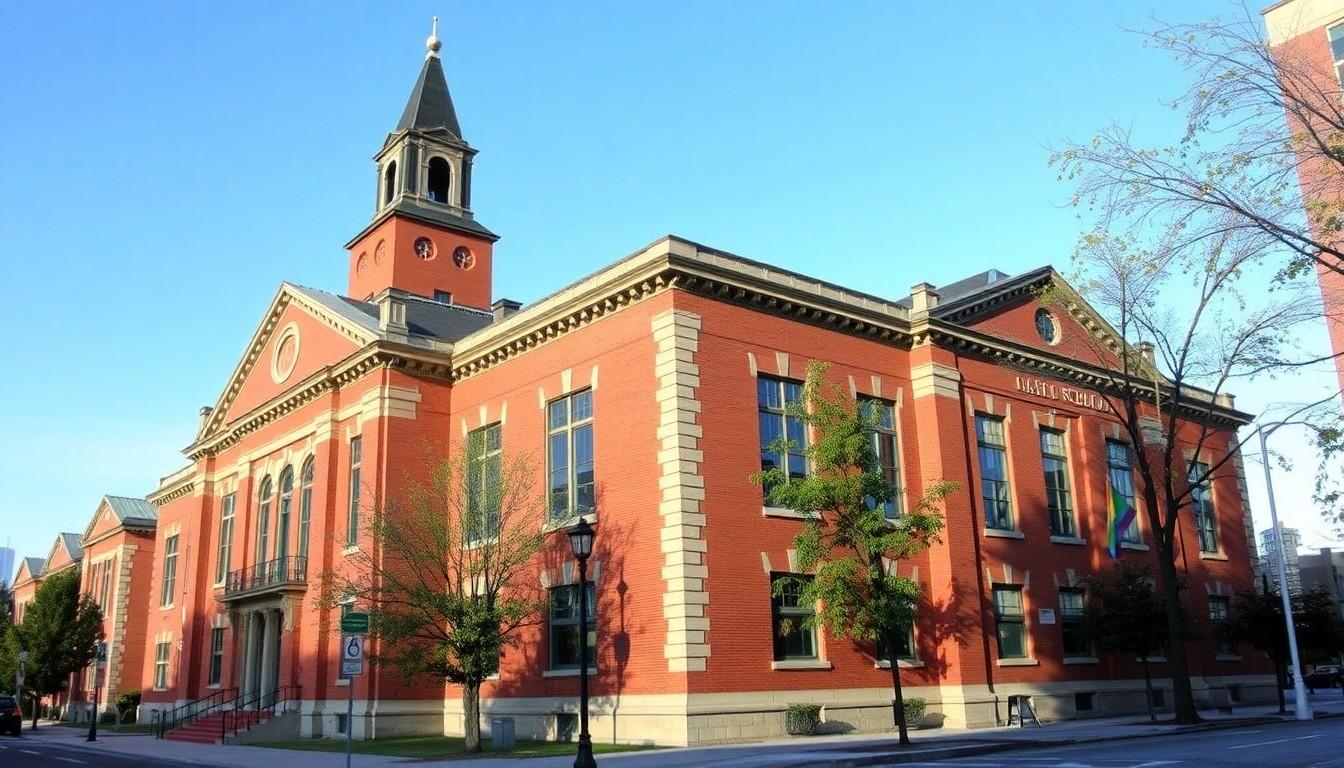
October is more than Halloween season for Seattle’s LGBTQ+ community. It’s LGBTQ History Month, offering a timely chance to revisit the city’s overlooked queer roots, understand today’s political battles and ask why local history still matters in schools, public policy and community life.
Essential Takeaways
- Seattle’s queer past runs deep: From Pioneer Square’s early entertainment venues to modern LGBTQ+ landmarks, the city’s history has often been hidden or pushed aside.
- Criminalisation shaped the city: Washington’s anti-sodomy laws and later liquor regulations were used to police, raid and intimidate queer communities for decades.
- Education remains patchy: Advocates argue that Washington’s LGBTQ+ curriculum investment is too limited to prepare teachers properly.
- Historic wins are still happening: Denny Blaine Park’s recognition as an LGBTQ+ landmark shows how local organising can protect queer spaces.
- The bigger lesson is continuity: LGBTQ+ history isn’t confined to Pride month. It’s part of the story of Seattle, Washington and the United States.
Seattle’s queer history was never absent, just buried
Walk through Pioneer Square and it’s easy to see polished brick, busy pavements and traces of old Seattle. Less visible is the queer life that grew around the city’s early saloons, brothels, theatres and waterfront businesses, where marginalised people found work, company and a measure of freedom.
Seattle Pride’s account of the city’s queer roots highlights how LGBTQ+ communities helped shape the city’s social and cultural life, even when public institutions treated them as a problem to be managed. The University of Washington’s LGBTQ history resources likewise place local stories within a broader history of surveillance, exclusion and resistance.
That tension matters. A city can celebrate its progressive image while forgetting the people who made space for themselves when the law offered little protection. History, in this case, is not a dusty archive. It’s the faint music still coming through the wall.
Laws turned queer life into a target
Washington’s first anti-sodomy law arrived in the late nineteenth century, during a period of rapid population growth and urban change. Such laws didn’t merely sit on the books. They gave police and other authorities leverage to raid venues, threaten individuals and push queer life underground.
Later regulations targeting so-called lewd conduct continued that pattern. According to the lead commentary, queer bars remained vulnerable to official intervention well into the modern era, with partial reform only arriving after sustained advocacy, including work by sex-worker organisers.
The consequences lasted far beyond individual arrests. When a community’s meeting places can be closed or searched without warning, businesses become cautious, records disappear and younger people inherit a distorted version of the past. That’s one reason local LGBTQ history can feel strangely incomplete: much of it was deliberately made difficult to preserve.
Why the classroom is the real battleground
The debate over LGBTQ+ education is often framed as a culture-war argument, but the practical question is simpler. If pupils learn about Stonewall but not the queer people and places that shaped their own region, they’re receiving an incomplete account of where they live.
Washington has taken steps towards including LGBTQ+ history in public education, but critics say the resources available to help teachers remain too thin. The University of Washington’s historical material shows just how broad the subject is, covering law, policing, community organising, race, gender and cultural life. That’s not a single assembly or one paragraph in a textbook.
Teachers also need room to handle complexity without turning every lesson into a political skirmish. A good curriculum doesn’t tell pupils what to think. It gives them enough evidence to ask better questions, spot recurring patterns and understand why rights that seem settled can still be contested.
Denny Blaine shows how heritage can protect community
One of Seattle’s clearest recent examples is Denny Blaine Park, a long-standing queer gathering place that was added to the Washington Heritage Register. Reporting from Planet Nude, the Bellevue Chronicle and Capitol Hill Seattle described the campaign by Friends of Denny Blaine and supporters to secure recognition for the park and its nude beach.
The designation won’t solve every argument about public space, but it gives the site a stronger historical footing. More importantly, it acknowledges that queer landmarks aren’t always grand buildings with plaques and formal archives. Sometimes they’re beaches, parks, bars or informal meeting points where people could relax without having to explain themselves.
That recognition also carries a practical lesson. Communities that want to protect vulnerable spaces need to document them early, build broad coalitions and connect personal memories with formal heritage processes. A place can feel permanent until a planning decision, property dispute or political backlash proves otherwise.
The next chapter needs more than symbols
Seattle’s queer history is still being made through community organising, public investment and representation. Heritage recognition is one piece; funding for services, protection for trans people and serious support for teachers are others.
The challenge is resisting the temptation to treat LGBTQ+ politics as a collection of isolated causes. The strongest historical movements linked housing, labour, race, gender, public health and safety. That wider view can feel less tidy, but it reflects how people actually live.
For readers, the starting point is refreshingly manageable. Visit a local archive, attend a heritage event, listen to elders, support queer organisations and ask what your school-age children are being taught. If history is only remembered during June or October, it becomes a seasonal decoration rather than a guide.
Seattle’s LGBTQ+ past isn’t a side story. It’s part of the city’s foundations, and understanding it may help communities recognise the next threat before it becomes another chapter of forgotten history.
Explore local queer history, support the spaces that preserve it and keep the conversation going all year.
Source Reference Map
Story idea inspired by: [1]
Sources by paragraph:
- Paragraph 1: [2], [3]
- Paragraph 2: [3], [2]
- Paragraph 3: [2], [3]
- Paragraph 4: [3], [2]
- Paragraph 5: [4], [5], [6]
- Paragraph 6: [4], [6]
- Paragraph 7: [2], [3]
- Paragraph 8: [3], [2]
- Paragraph 9: [4], [5], [6]
- Paragraph 10: [6], [4]
- Paragraph 11: [2], [3]
- Paragraph 12: [3], [2]
- Paragraph 13: [4], [5], [6]
- Paragraph 14: [2], [3]
- Paragraph 15: [4], [6]