Readers are rediscovering how the Merchant Navy offered some gay men a route out of 1950s Britain, with travel, work and anonymity waiting beyond the horizon. The story of Lorri Lee and Crystal, preserved through drag performance and Paul Baker's history of Polari, captures both the danger and cheeky ingenuity behind that escape.
Essential Takeaways
- A route to freedom: Merchant Navy work could help gay men leave hostile communities and travel widely.
- Polari preserved the story: The coded language became a vivid record of queer life and performance.
- Lorri and Crystal took a gamble: Their adventure reportedly began after they wandered into a shipping careers office.
- The escape wasn't simple: Forged references and improvised identities were part of the risk.
- History with a wink: The tale mixes danger, camp humour and genuine wanderlust.
A shipping office becomes an unlikely doorway
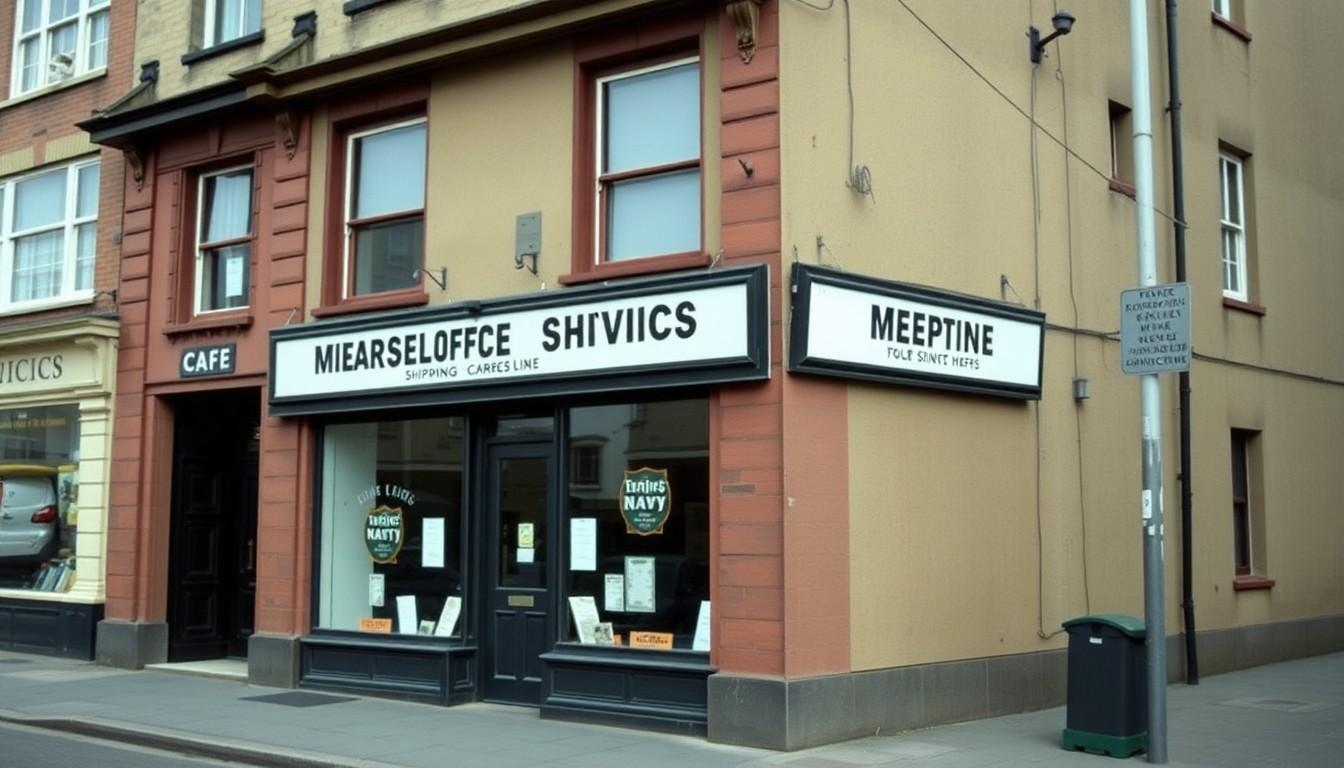
The most striking detail is also the funniest. Lorri Lee and her friend Crystal reportedly followed two attractive men, expecting to find a club, only to discover a shipping office packed with prospective sailors. Rather than retreat, they leaned into the moment.
That split-second decision turned confusion into opportunity. In the version recorded by Professor Paul Baker, Lorri answered questions about her experience with a flamboyant joke, then pressed on when a job appeared possible. It's a reminder that queer survival has often involved improvisation, nerve and knowing when to say yes.
Why the Merchant Navy mattered to queer men
For gay men growing up in 1950s Britain, home could mean scrutiny, repression and very little room to live openly. The Merchant Navy offered something dramatically different: distance, movement and the possibility of building a life away from familiar eyes.
The ships weren't automatically safe, of course. Life at sea could be hard, hierarchical and lonely. Yet the chance to travel abroad, earn a wage and meet people outside one's hometown made the work attractive to men seeking breathing space. Baker's research places that desire for escape within the wider history of Polari, the coded vocabulary associated with British gay communities and theatrical worlds.
Polari turned secrecy into connection
Polari was more than a collection of colourful expressions. It could help people identify one another, share jokes and discuss sensitive matters without being understood by everyone nearby. Its theatrical rhythm also gave speakers a way to turn ordinary conversation into something sharper and more playful.
The language's history has attracted both academic attention and popular interest. Baker's Polari research resource and his book Fabulosa! trace how the vocabulary travelled through theatre, entertainment and queer social life. The Cambridge review of Fabulosa! likewise underlines the book's role in documenting a language that might otherwise have slipped from public memory.
The real appeal was the clean break
There is a particular romance in the idea of signing on, sailing away and leaving the old rules behind. In reality, Lorri and Crystal's escape reportedly depended on forged references and the ability to bluff their way through a recruitment process. That makes the story exhilarating, but also puts the danger back into view.
For anyone reading about queer history today, the lesson isn't simply that the sea offered adventure. It shows how limited choices could make extraordinary risks feel worthwhile. A ship's passage, a new name or a borrowed work history could represent something far bigger than employment: the chance to become less visible to people who wanted to control your life.
Why this story still feels fresh
The tale has the energy of a perfectly delivered stage anecdote: handsome strangers, a mistaken doorway, quick thinking and a voyage into the unknown. But beneath the punchline sits a serious historical truth. Escape wasn't always a grand political act; sometimes it began with stepping through the wrong door and refusing to step back out.
That blend of humour and hardship is why accounts like this continue to resonate. They show queer people not only enduring restrictive times, but finding routes through them with wit, solidarity and a little theatrical nerve.
It's a small story with a very wide horizon.
Source Reference Map
Story idea inspired by: [1]
Sources by paragraph: