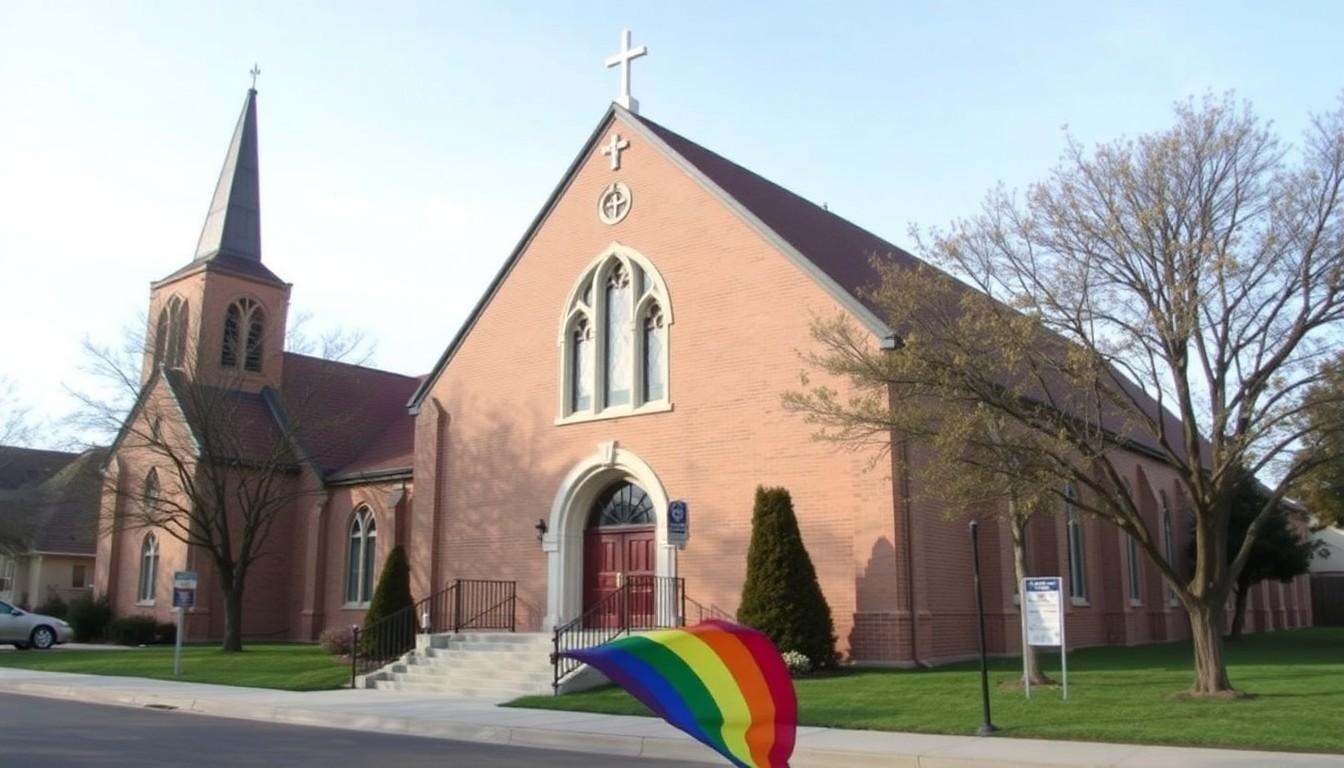
Voters in several US states are being asked to decide questions affecting transgender students, healthcare and marriage equality. The most striking development is the public support from Catholic diocesan leaders, who are urging parishioners to back restrictions in Colorado and Missouri while opposing a Virginia measure protecting same-sex marriage.
Essential Takeaways
- Sports access is on the ballot: Voters in five states could influence which teams transgender pupils may join.
- Healthcare restrictions go further: Proposals in Colorado and Missouri address gender-affirming treatment for minors, with Colorado also targeting public funding.
- Catholic leaders are campaigning: Diocesan officials have issued voter guidance, public statements and appeals for prayer.
- Virginia presents a contrast: Catholic leaders there are urging voters to reject a proposal that would enshrine marriage equality.
- The wider issue is personal: The measures could affect school life, medical care and family security for LGBTQ+ people.
Transgender pupils face a ballot-box decision
For most young athletes, making a school team comes down to training, nerves and a coach's selection. In several US states, however, transgender pupils may find that voters, rather than schools, determine whether they can compete. Colorado and Missouri are among the states where ballot measures could restrict transgender students' participation in school sport, according to Colorado Public Radio. [2][3]
That turns an ordinary school experience into a highly charged political question. A changing room, a fixture list and a team shirt may sound mundane, but for affected pupils they represent belonging, visibility and a chance to take part alongside classmates. The proposals also arrive as lawmakers and campaign groups continue to debate how sporting fairness and transgender rights should be balanced. [3][5]
Colorado and Missouri proposals extend beyond sport
The measures in Colorado and Missouri aren't limited to athletics. Missouri's proposal would prevent transgender minors from accessing gender-affirming surgery, hormone treatment or puberty blockers. Colorado's proposal would ban gender-affirming surgery for minors and restrict the use of public funds, Medicaid and insurance to cover such procedures, including for adults. [3][7]
Supporters frame the restrictions as safeguards for children, while critics argue they would interfere with private medical decisions and place additional pressure on transgender young people and their families. That disagreement matters because the wording of a ballot question can sound technical, yet its consequences may be felt at home, in clinics and at school. [2][4]
Catholic voter guides put bishops at the centre
The Colorado Catholic Conference's 2026 voter guide urged Catholics to support both measures covering transgender participation in school sport and gender-affirming care. Its leadership includes senior figures from the state's dioceses, giving the guidance a considerable institutional profile. [2][6]
Missouri's Catholic Conference described its proposal as imperfect but still a meaningful move towards what it called stronger protections for women and children. Church leaders also appealed to Catholics to pray, fast, discuss the issue with relatives and friends, and support the amendment. [4][6]
That level of direct campaigning is likely to draw attention because it moves beyond general moral teaching and into a specific electoral contest. For parishioners, the question becomes not only how to interpret church guidance, but how to weigh it against the experiences of transgender children, families and medical professionals. [2][6]
Virginia offers a very different LGBTQ+ vote
The ballot debate isn't moving in one direction everywhere. In Virginia, a proposed constitutional amendment would enshrine marriage equality. Catholic leaders in the Arlington and Richmond dioceses have opposed it through a campaign called Catholics Vote No. [3][5]
Bishop Michael Burbidge of Arlington urged Catholics to defeat the proposal, describing it as unjust and calling for prayer, fasting and a no vote. Priests in the diocese were also instructed to read a message about the measure at Mass, bringing the campaign directly into parish life. [4][7]
The contrast is revealing. In one state, Catholic leaders are presenting a measure as a route to wider legal recognition for same-sex couples; in others, bishops are supporting restrictions aimed at transgender pupils and healthcare. For voters, that means the broader LGBTQ+ debate is appearing through very different ballot questions and local church campaigns. [2][5]
Why the campaign matters beyond election day
These votes are part of a wider struggle over who gets to make decisions about identity, healthcare and family life. The immediate arguments focus on children, sport and constitutional wording, but the emotional impact is more intimate: whether a young person feels welcome on a team, whether a family can access care, or whether a couple's marriage is protected in law. [3][7]
The campaigns also place bishops in a politically exposed position. Supporters may welcome clear moral leadership, while critics question why church institutions are directing their energy towards some of society's most vulnerable people instead of broader pressures such as rising living costs, immigration enforcement and discrimination. [2][4]
As voters consider the proposals, the practical step is to read the exact wording, check reliable state election information and understand which rights or services each measure would affect. Ballot language can be dry, but its consequences rarely are. [5][6]
It's a reminder that LGBTQ+ rights are increasingly being decided not only in legislatures and courts, but directly by voters.
Source Reference Map
Story idea inspired by: [1]
Sources by paragraph: