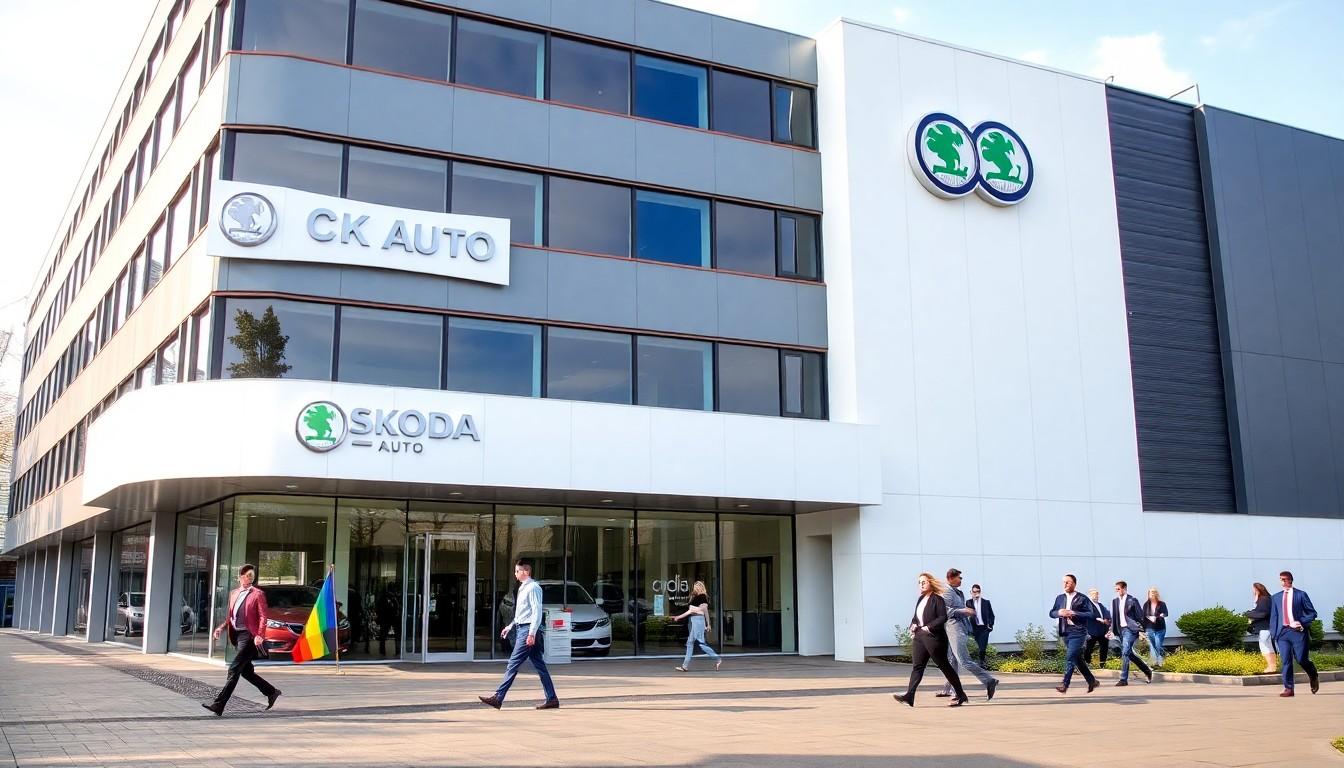
Škoda Auto’s LGBTQ+ employee network, Škoda Proud, has reached its fifth anniversary with 215 members, more than 30 recent events and a gold award in the LGBTQ+ Friendly Employer 2026 programme. Its progress offers a practical look at how workplace inclusion can grow through everyday conversations, training and visible allyship.
Essential Takeaways
- Five-year milestone: Škoda Proud was established in 2021 and remains open to employees across the business.
- Growing participation: Around 215 people now belong to the network, including LGBTQ+ colleagues and allies.
- Regular activity: More than 30 workshops, training sessions and informal gatherings took place over the past year.
- External recognition: Škoda Auto received gold status in the LGBTQ+ Friendly Employer 2026 programme.
- Part of a wider effort: The company also supports networks including Internationals@Škoda and WomeN@work.
A quiet workplace network with a visible impact
Five years can sound like a modest anniversary, but internal employee networks often do their most important work in small, repeated moments. A workshop, a candid conversation or a colleague finding a supportive community can make the workplace feel markedly safer and more welcoming.
Škoda Proud was launched in 2021 as a forum for LGBTQ+ employees and allies at Škoda Auto. According to the company, its membership has grown to about 215 people, suggesting that the group has become a continuing part of workplace life rather than a one-off initiative.
That matters because inclusion is rarely built by a single campaign. It tends to take shape through familiar faces, reliable support and the confidence to raise issues before they become bigger problems.
From conversations to training sessions
Over the past year, Škoda Proud organised more than 30 workshops, training sessions and informal gatherings. The mix is telling: formal learning can help people understand language, policy and behaviour, while relaxed meetings give colleagues room to share experiences without a presentation standing between them.
The company describes the network as a place to exchange ideas about workplace inclusion. Its open membership also brings allies into the conversation, which can help move responsibility beyond the people directly affected by discrimination or exclusion.
Škoda Auto’s wider diversity work includes other employee groups, such as Internationals@Škoda and WomeN@work. Together, these forums create a broader structure for discussing identity, belonging and workplace concerns across the business.
Recognition adds a useful benchmark
Škoda Auto has received a gold award in the LGBTQ+ Friendly Employer 2026 programme, organised by Pride Business Forum. Awards aren't a substitute for day-to-day experience, but they can provide a useful external check on whether a company’s policies and activities are developing in the right direction.
The recognition also places Škoda Proud within a wider business conversation. Companies are increasingly expected to show how inclusion works in practice, not simply publish a polished statement on a careers page.
That shift is welcome. Employees can usually tell the difference between a genuine support network and a colourful logo appearing once a year. Regular events, visible leadership and opportunities for feedback tend to feel far more convincing.
Why allies and cross-company links matter
Škoda Proud collaborates with employee groups across the Volkswagen Group and with organisations in other industries. Sharing approaches can help networks avoid working in isolation, while exposing members to ideas that may have worked in different workplaces.
The company has also taken part in European Diversity Month and the Prague Pride Festival. External involvement gives internal efforts a public dimension, although the real test remains what employees experience on ordinary working days, from meetings to promotion discussions.
For colleagues who aren't part of the LGBTQ+ community, allyship can be practical rather than performative. Listening, challenging careless language and understanding workplace policies are simple steps, but they can make a noticeable difference.
What the five-year mark signals
The anniversary doesn't suggest that inclusion work is finished. If anything, the network’s continued activity points to the opposite: maintaining an open workplace requires steady attention as teams, expectations and social attitudes change.
For Škoda Auto, the next stage will likely involve keeping participation broad, making events useful and ensuring that inclusion remains connected to everyday management. A network needs energy from employees, but it also needs an employer willing to give it time, visibility and room to operate.
Five years on, Škoda Proud shows how a workplace initiative can become part of a company’s wider culture when people keep turning up. It’s not flashy, but that steady presence may be the most meaningful achievement of all.
A lasting culture of inclusion is built in the everyday details, not just the anniversary headlines.
Source Reference Map
Story idea inspired by: [1]
Sources by paragraph: