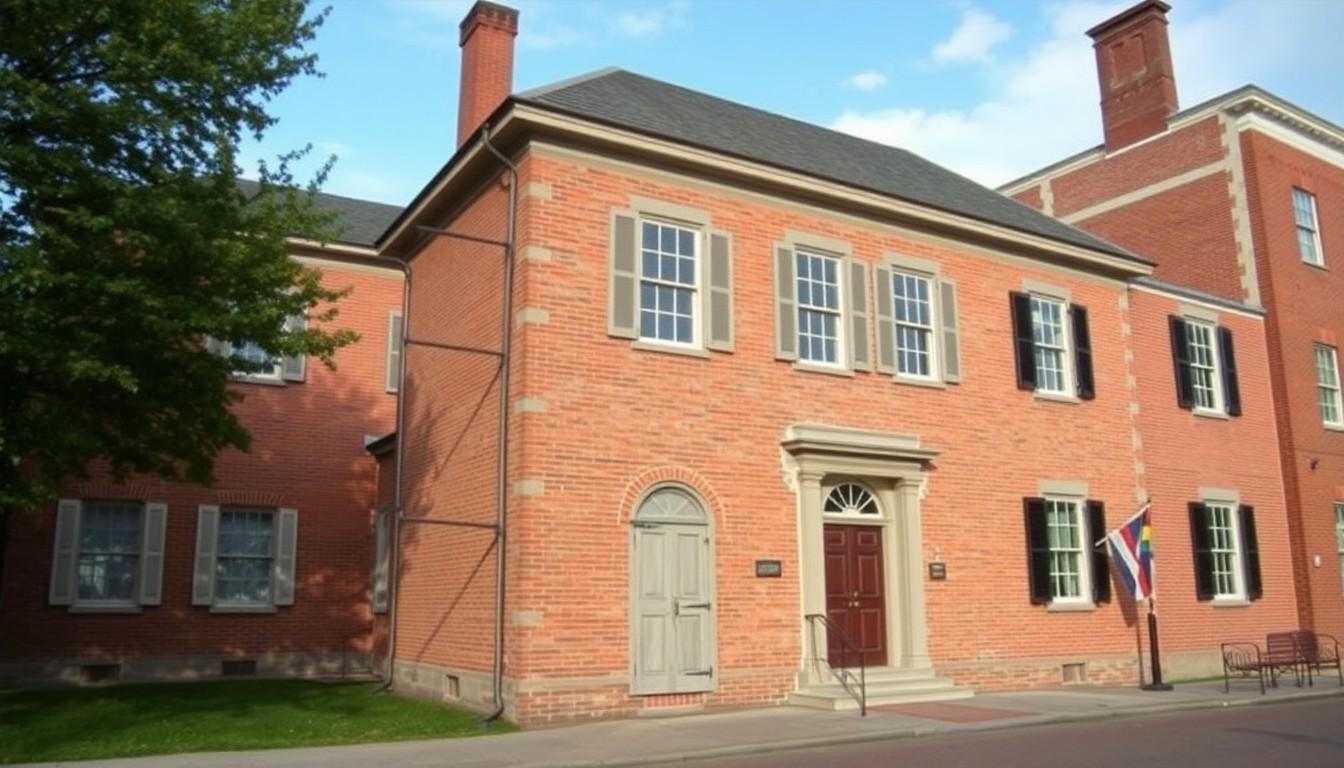
Historians are bringing an LGBTQ lens to the American Revolution, exploring queer lives, gender nonconformity and the movement’s long legacy in the early United States. The latest Ben Franklin’s World episode offers a richer, more complicated view of the past, showing why these stories matter far beyond the familiar battles and founding figures.
Essential Takeaways
- A fresh historical lens: The podcast examines the Revolution through LGBTQ history rather than focusing only on military and political events.
- Three expert voices: Rachel Hope Cleves, Jen Manion and John McCurdy discuss sexuality, gender and revolutionary-era society.
- Personal stories matter: Their work includes same-sex partnerships, gender nonconforming lives and the trials of Robert Newburgh.
- The legacy continued: The Revolution shaped debates and experiences in the new United States long after independence.
- A wider picture: The episode joins broader efforts to include women, Indigenous people, enslaved and free Black people, and Loyalists in the national story.
The Revolution looked different from the margins
The American Revolution is often presented through declarations, battlefields and famous men in powdered wigs. But the latest Ben Franklin’s World episode asks what changes when the period is viewed through LGBTQ history, bringing quieter and less familiar experiences into focus.
That approach doesn't replace the traditional story. It adds texture to it, revealing how ideas about sexuality, gender and social order were lived in homes, communities, military settings and courtrooms. According to Ben Franklin's World, the episode forms part of its continuing examination of the people and events that shaped early America.
Three historians, three routes into the past
Rachel Hope Cleves, Jen Manion and John McCurdy bring distinct areas of expertise to the discussion. Cleves has written about Charity Bryant and Sylvia Drake, two women in Vermont whose long-term partnership was remembered as a marriage in the nineteenth century.
Manion's research examines queer and gender-nonconforming culture in early America, including people described in historical records as "female husbands". McCurdy, meanwhile, investigates the case of British Army chaplain Robert Newburgh in his study of homosexuality, the Revolution and the legal pressures surrounding the period.
Together, their work suggests that LGBTQ history isn't a modern add-on to the American Revolution. It is part of the evidence, even when the language used by people at the time differs sharply from today's terms.
Why words can both reveal and mislead
One challenge for historians is deciding how to discuss people from the past without forcing modern identities onto them. Labels such as LGBTQ+, queer and transgender can help readers understand patterns, but historical records often used different, sometimes hostile, descriptions.
Manion's work on early American gender variance shows why individual lives need careful handling. A person recorded as a "female husband", for instance, may have lived in ways that don't fit neatly into a present-day category. That uncertainty isn't a reason to ignore the evidence; it's a reminder to read it with care.
The same goes for same-sex relationships. Cleves's account of Charity Bryant and Sylvia Drake shows how affection, commitment and domestic partnership could exist within early American communities, even though the social and legal framework was unlike that of today.
The human stories behind the national story
The episode's most compelling feature is its focus on people rather than abstractions. A revolution can be discussed through constitutional language and military campaigns, but its consequences were also felt in bedrooms, households, churches and barracks.
The Library of Congress's historical collections, including material connected with Deborah Sampson's wartime service, underline how complicated gender and public identity could become during the Revolution. Such stories don't automatically provide a modern LGBTQ biography, but they do challenge the idea that eighteenth-century lives fitted comfortably into today's assumptions about gender.
That is where the podcast earns its place. It encourages listeners to sit with ambiguity while still taking overlooked lives seriously, which is often more revealing than a neat conclusion.
A useful listen for history newcomers
Ben Franklin's World is designed for people who enjoy history as well as those looking for an accessible introduction to early America. This episode should appeal particularly to listeners who want more than a familiar roll call of founders and generals.
For newcomers, the best way in is to listen for the broader questions: who was allowed to belong, how did communities respond to difference, and what did independence change? Those questions connect the Revolutionary era to later American debates about identity, citizenship and freedom.
History feels more alive when its edges are visible. This LGBTQ history podcast offers one thoughtful way to find them.
A wider revolution emerges when more lives are allowed into the frame.
Source Reference Map
Story idea inspired by: [1]
Sources by paragraph:
- Paragraph 1: [2], [3]
- Paragraph 2: [2], [3]
- Paragraph 3: [4], [5]
- Paragraph 4: [6]
- Paragraph 5: [5], [6]
- Paragraph 6: [4], [5]
- Paragraph 7: [7]
- Paragraph 8: [2], [3]
- Paragraph 9: [7]
- Paragraph 10: [2], [3]
- Paragraph 11: [2], [3]
- Paragraph 12: [4], [5]
- Paragraph 13: [6], [7]
- Paragraph 14: [2], [3]
- Paragraph 15: [2], [3]
- Paragraph 16: [2], [3]
- Paragraph 17: [2], [3]