People around the world marked Intersex Awareness Day on 26 October, spotlighting three decades of advocacy and renewed concern over irreversible medical procedures on children. Recent legal changes in Victoria and Hungary offer signs of progress, but campaigners say protection, visibility and enforcement still lag behind.
Why Intersex Awareness Day still matters
- A global milestone: Intersex Awareness Day commemorates decades of international campaigning for bodily autonomy and informed consent.
- Medical focus: Campaigners are challenging non-essential, irreversible procedures carried out on children who can't consent.
- Uneven protection: Only a small number of countries have introduced nationwide safeguards for intersex minors.
- Victoria leads Australia: The state now requires deferrable interventions to wait until a person can provide informed consent.
- Hungary steps back, partly: Parliament removed some anti-LGBTI wording, although other discriminatory rules remain.
A day shaped by protest and persistence
Intersex Awareness Day isn't simply another date on the equality calendar. It reflects a long-running demand for people born with variations in sex characteristics to have a say in medical decisions affecting their bodies. The University of Surrey notes that the observance is tied to the first public intersex protest in 1996, giving the day a distinctly activist history.
The central issue is consent. Some intersex children undergo surgeries or other interventions intended to make their bodies fit conventional ideas of male or female appearance, even when there isn't an urgent medical need. Awareness Days and The Day Atlas both describe the occasion as a chance to educate the public and amplify intersex voices, rather than treating intersex lives as a niche medical topic.
That distinction matters because the procedures may be difficult, or impossible, to reverse. For families, decisions can arrive amid fear and uncertainty. For intersex adults who later question what was done, the emotional and physical consequences can be profound.
The legal protection gap remains wide
Only a handful of United Nations member states have introduced nationwide restrictions on non-consensual medical interventions involving intersex minors. Malta, Portugal, Germany, Greece and Spain have taken steps in Europe, but the safeguards vary considerably and campaigners warn that legislation alone doesn't guarantee meaningful protection.
A 2026 assessment by ILGA-Europe found that effective monitoring remains a major weakness. In other words, a law can look reassuring on paper while leaving people unsure about who checks compliance, how complaints are handled or whether medical practice has genuinely changed.
The University of Surrey's coverage of Intersex Awareness Day makes a similar point: progress has been visible, but it hasn't always reached clinics, families and the people most affected. That's why campaigners increasingly call for independent oversight, transparent reporting and support that continues well beyond the operating theatre.
Victoria offers a clearer model for consent
Victoria's new law is one of the most significant recent developments. Passed in February 2026, it prevents deferrable, non-consensual interventions that permanently alter, or are difficult to reverse in relation to, a person's innate sex characteristics until they can give fully informed consent.
The measure also creates an independent expert panel. Medical specialists, mental health professionals and intersex people can contribute when a child or adult lacks the capacity to make the decision themselves. That structure is important because it moves the conversation away from a single clinical judgement and towards broader scrutiny.
The approach may prove influential elsewhere, particularly in countries debating protections for intersex children while restricting other forms of gender-affirming healthcare. The contrast has prompted critics to question why irreversible procedures are treated differently depending on the child involved. It also underlines a simple principle: if treatment can safely wait, consent shouldn't be an afterthought.
Hungary removes one barrier, but not the whole wall
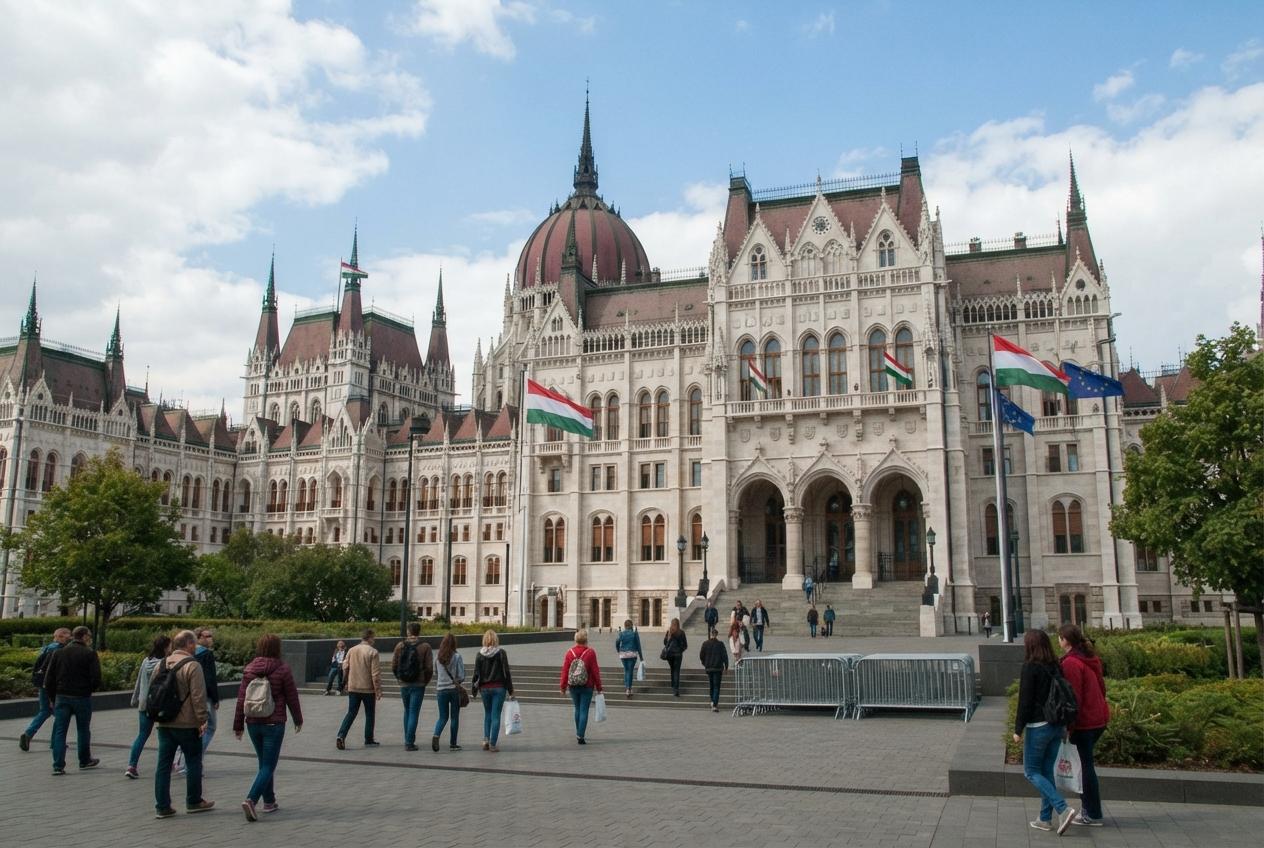
Hungary's National Assembly removed anti-LGBTI language from its 2021 child-protection legislation on 13 October, following a ruling by the Court of Justice of the European Union. Euronews reported that the change removed provisions restricting the portrayal or promotion of homosexuality and gender diversity in material that minors might access.
The earlier rules had affected books, films, advertising and education, with LGBTQ+ titles in some bookshops required to be wrapped in opaque foil. The law was also used in efforts to restrict Pride events, creating a chilly atmosphere around public expression and visibility.
Still, the amendment is a partial correction rather than a clean reset. Urania Institute says further discriminatory measures remain, including restrictions affecting legal gender recognition and other areas of LGBTQ+ life. Hungary also continues to face criticism over marriage equality, adoption rights and the absence of university gender studies programmes.
Visibility grows, even when gathering isn't safe
October's African Pride Month brought together campaigns, cultural events and online discussions across a continent where the legal picture remains deeply uneven. More than 30 African countries still criminalise same-sex relationships or LGBTQ+ identity, and some impose exceptionally severe penalties.
In Johannesburg, where public LGBTQ+ organising is legally possible, celebrations included marches, social and cultural events, sport and a youth summit. Elsewhere, activists used virtual panels and encrypted networks to reduce the risks associated with being visible. That quiet, careful form of participation is still participation, even if it doesn't produce the same photographs as a parade.
A continental gathering in Rwanda brought together 131 delegates from 31 African countries to discuss visibility, rights and economic self-determination. It's a reminder that Pride isn't only about celebration. In many places, it is also a practical strategy for building safety, community and political influence.
What meaningful progress should look like
Intersex Awareness Day puts a useful test to governments and healthcare systems: are people merely being discussed, or are they being given genuine control over decisions affecting their bodies? Stronger rules should include informed consent, independent review, reliable monitoring and accessible lifelong support.
For readers, the first step is to use respectful language and seek information from intersex-led organisations rather than relying solely on clinical explanations. Awareness can feel abstract, but the principle is remarkably straightforward. No child should have an irreversible, non-essential procedure chosen for them simply to satisfy someone else's idea of what a body ought to look like.
Progress is real, from Victoria's oversight model to Hungary's removal of some stigmatising language. But campaigners are right to keep pressing. Rights that exist only in legislation, without enforcement or lived safety, remain frustratingly incomplete.
It's a small date on the calendar with a much bigger question behind it: who gets to decide what happens to a body?
Source Reference Map
Story idea inspired by: [1]
Sources by paragraph: