UConn’s Queer Science conference is giving LGBTQ+ teenagers and allies a hands-on route into STEM, pairing lab experiments with conversations about belonging. The free Connecticut event invites pupils to meet LGBTQ+ researchers, explore university facilities and see science as a career where they can genuinely picture themselves.
Essential Takeaways
- Hands-on learning: Students have extracted DNA from pumpkins and made ice cream with liquid nitrogen.
- Aimed at representation: The event challenges the familiar image of a scientist as a straight, white man.
- Free access: UConn’s conference is designed for high school pupils interested in science, technology, engineering and maths.
- Peer connection matters: Students meet LGBTQ+ researchers and university participants in a relaxed setting.
- Part of a wider trend: Similar Queer Science programmes are running at other American universities.
A science day with a distinctly human focus
A pumpkin, a cloud of cold vapour and a scoop of rapidly frozen ice cream might sound like an ordinary school science demonstration. At UConn’s Queer Science event, though, the experiments come with a bigger purpose: helping teenagers see themselves in laboratories and engineering spaces.
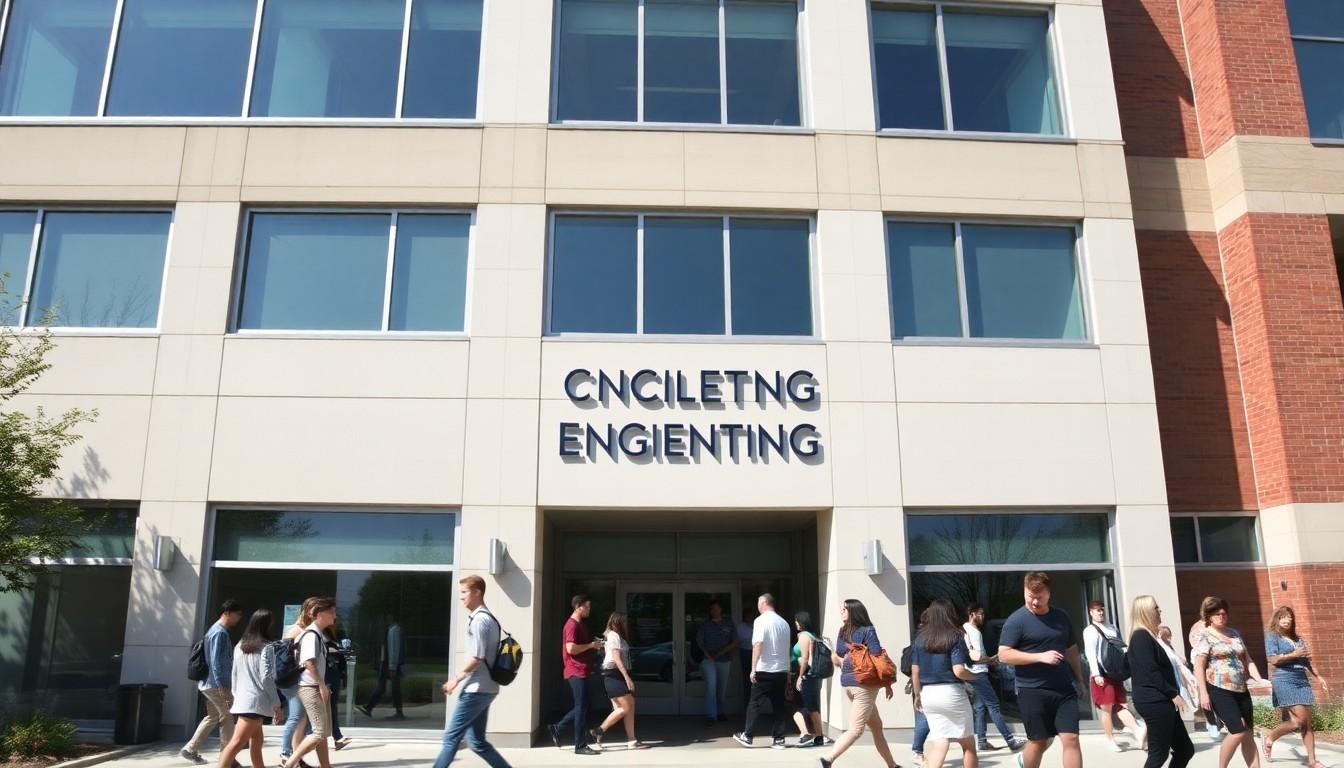
The University of Connecticut’s College of Engineering hosted the free conference for high school students who identify as LGBTQIA+ or support LGBTQIA+ classmates. According to UConn’s event material, pupils spend the day touring labs, meeting researchers and taking part in practical STEM activities. [2], [3]
That mix is important. A teenager may enjoy chemistry, physics or computing, but still wonder whether university science is really for them. Meeting researchers with shared experiences can make that leap feel less distant and much more real. [7]
Why representation has become part of the lesson
UConn says the programme is intended to challenge the narrow cultural picture of a scientist as a straight, white, cisgender man. Its organisers argue that showing a broader range of researchers can help pupils imagine themselves in STEM careers. [2], [3]
That isn't a new concern. Research and education groups have long pointed to belonging as a factor in whether young people pursue technical subjects, particularly when they don't see people like themselves in classrooms, laboratories or professional role models. The event therefore treats representation not as decoration, but as part of widening participation. [7]
There's also a practical side. Students can ask informal questions about university life, research careers and the route into engineering without the atmosphere feeling like a formal recruitment presentation. For some pupils, that friendly conversation may be the most memorable part of the day.
What students actually do at Queer Science
The conference is deliberately practical rather than lecture-heavy. One activity has involved extracting DNA from a pumpkin, while another used liquid nitrogen to freeze fresh cream into ice cream. The ingredients are playful, but the underlying chemistry is serious, and the results are satisfyingly visible. [3], [5]
UConn introduced the event in 2022, with the stated aim of supporting Connecticut young people through laboratory visits, demonstrations and direct contact with university researchers. The latest conference drew 18 high school students, according to university coverage. [2], [3]
For teenagers who learn best by doing, that approach can make STEM feel less abstract. A cold, sweet experiment or a glowing laboratory instrument often leaves a stronger impression than a slide deck ever could.
A growing model across American universities
UConn isn't working in isolation. The University of Minnesota runs a Queer Science Day featuring experiments, demonstrations and community-building, while Georgia Tech promotes opportunities for pupils to meet LGBTQIA+ scientists and try interactive activities. [1], [4]
The programmes share a recognisable formula: targeted outreach, volunteer researchers and a mixture of technical activities and social connection. That makes them relatively easy to understand for families. Students aren't simply being told that STEM is open to them; they're being shown the people and places that make that promise believable.
Still, the model raises reasonable questions about access, staffing and funding. UConn's event is sponsored by the Vergnano Institute for Impact, but public information doesn't clearly explain the full funding arrangement. That transparency matters, particularly when universities run outreach through public institutions. [4], [5]
How families can make the most of a STEM outreach day
If your child is considering a similar event, encourage them to prepare a few questions before arriving. Asking how a researcher chose their subject, what university was like or which school subjects helped can turn a brief meeting into useful career guidance.
It's also worth looking beyond the headline experiment. Check whether the programme includes lab tours, mentoring, follow-up information or contact with current students. Those details can make the difference between a fun afternoon and a genuinely helpful introduction to higher education. [6], [7]
Most importantly, pupils don't need to arrive with a polished career plan. Curiosity is enough. A child who leaves thinking, "I could do this," has already gained something valuable.
The bigger lesson is belonging
Queer Science is ultimately less about branding a single event and more about removing one quiet barrier to STEM: the feeling that everyone else belongs there first. Hands-on science provides the hook, while representation and conversation provide the reassurance. [2], [3]
Whether programmes like this expand will depend on funding, volunteers and universities' willingness to measure their impact honestly. But the appeal is clear. When a young person can see both the experiment and a possible future self in the laboratory, science becomes more than a school subject.
It's a small conference with a potentially lasting effect.
Source Reference Map
Story idea inspired by: [1]
Sources by paragraph: