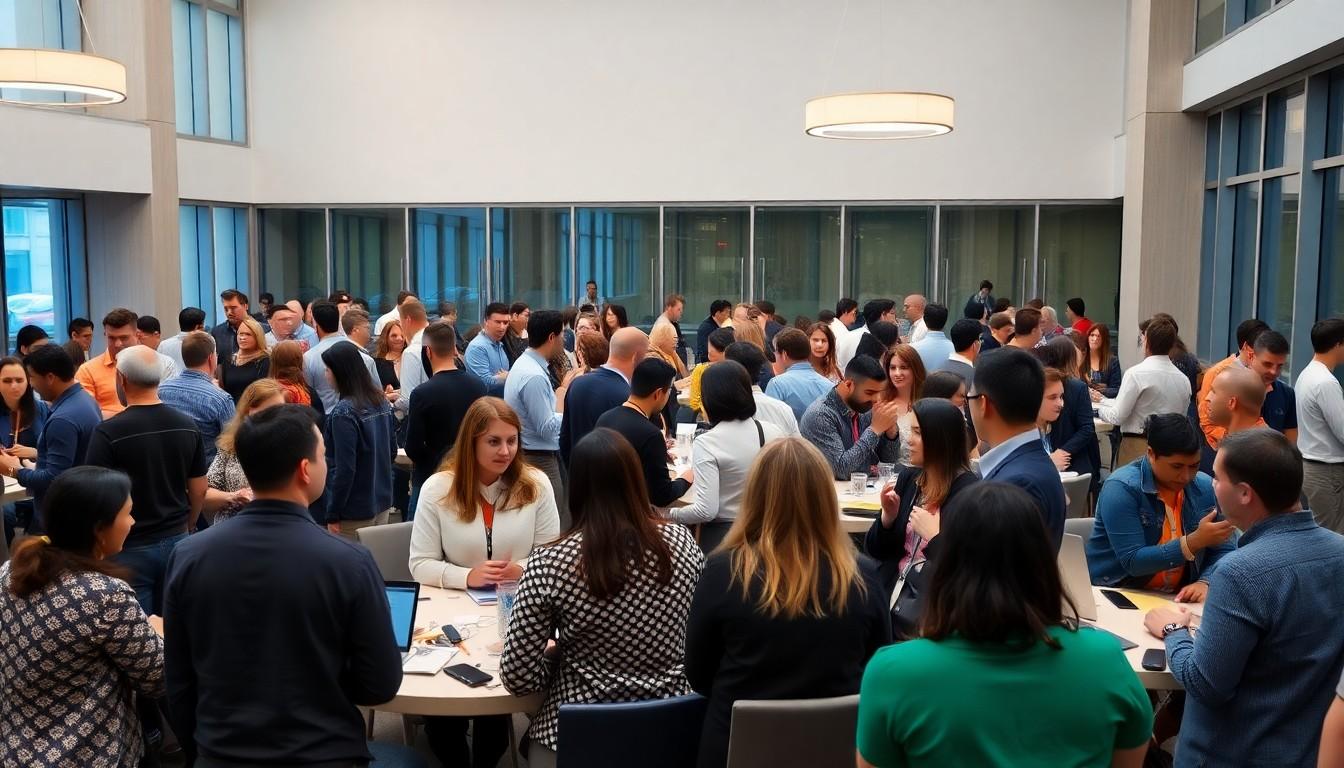
Editors, activists and researchers from more than 30 countries gathered in Montreal for Queering Wiki 2026, the first fully in-person LGBTQ+ Wikipedia conference. Their mission is simple but urgent: improve queer history online, challenge censorship and make sure vital stories survive.
Essential Takeaways
- A landmark gathering: More than 150 people attended the Montreal conference.
- A global effort: Contributors came from at least 30 countries and work across languages, subjects and Wikimedia projects.
- More than editing: Participants also improve metadata, upload images, train newcomers and build software.
- Censorship remains a concern: LGBTQ+ information can face hostile edits, political pressure and erasure.
- The work will continue: Organisers are planning another in-person conference in 2027.
Montreal gave queer knowledge-builders room to breathe
The most striking thing about Queering Wiki 2026 wasn't a laptop screen or a heated edit debate. It was the simple sight of LGBTQ+ contributors meeting face to face after years of online gatherings, swapping stickers, snacks and ideas in a bright Montreal venue.
According to The Advocate, more than 150 attendees representing at least 30 countries took part. The event brought together editors, historians, activists and Wikimedia volunteers who share a belief that accessible information can be a powerful form of protection.
For people whose histories are often missing, sanitised or attacked, that matters. A well-sourced Wikipedia article might seem ordinary, but it can be the first public record someone finds in their own language.
Why Wikipedia has become a frontline for queer history
Wikipedia is built on openness. Volunteers create and improve articles, while related Wikimedia projects support images, data, educational material and other forms of free knowledge. That model makes the platform remarkably broad, but it also leaves it exposed to political campaigns and hostile editing.
Bisi Alimi, executive director of Wikimedia LGBT+, told The Advocate that the work is inherently political, particularly as governments and institutions restrict conversations about queerness. In that climate, documenting LGBTQ+ lives becomes more than an archival exercise. It's a way to push back against disappearance.
The challenge is not only about adding new pages. Editors must also monitor existing content, correct inaccuracies and make sure language doesn't quietly exclude the communities being described.
From Assamese articles to better metadata
Wikimedians do far more than polish prose. Some contributors upload photographs, others mentor new editors, translate material or develop tools that make information easier to find and understand.
The conference highlighted that breadth. Ege Atacan Dogan from Turkey works on metadata, the behind-the-scenes information that helps organise digital content. Ajay Das from India writes LGBTQ+ articles in Assamese, helping create public resources for readers who may otherwise find little relevant material in their first language.
As The Advocate reported, Doja Ade, a US public health educator, described the Wikimedia ecosystem as vast. That variety is one of its strengths: queer knowledge isn't confined to one country, one language or one kind of contributor.
A long-delayed first step
The idea of a dedicated LGBTQ+ Wikimedia conference took years to reach Montreal. An earlier event planned for Austria in 2020 was cancelled during the Covid-19 pandemic. Online conferences followed from 2021 to 2025, alongside smaller meet-ups in different parts of the world.
The 2026 gathering was therefore both a debut and a reunion. Wikimedia Canada's Louis Germain said Montreal was a natural choice because of the city's established LGBTQ+ community and Canada's welcoming reputation, according to The Advocate.
The event's programme also reflects the wider Wikimedia culture: presentations, round-table conversations and practical exchanges rather than a single top-down agenda. A call for speakers published by Wikimedia's Diff platform invited people to share projects, research and experiences across the movement.
What happens after the conference?
The organisers aren't treating Montreal as a one-off celebration. Wikimedia LGBT+ is planning a second in-person conference in 2027, although its location hasn't yet been announced.
The group is also pursuing formal nonprofit status. Owen Blacker, who chairs its trustee board, said that legal recognition could make it easier to secure external funding, while Alimi and Blacker hope to expand outreach, communications and programming.
That could be crucial. Sustaining queer knowledge online takes time, technical skill and careful community work, particularly when volunteers are spread across borders and languages. As the project's organisers see it, meeting in person doesn't replace the online effort. It gives the people doing that work a stronger network, and perhaps a little more energy for the battles ahead.
For many attendees, the most valuable outcome may have been unexpectedly human: being surrounded by people who understand why these records matter, without having to explain or defend their right to exist.
Queer history is safer when more people are able to write, check and share it.
Source Reference Map
Story idea inspired by: [1]
Sources by paragraph:
- Paragraph 1: [2], [6]
- Paragraph 2: [3], [4]
- Paragraph 3: [2], [7]
- Paragraph 4: [3], [5]
- Paragraph 5: [2], [4]
- Paragraph 6: [2], [3]
- Paragraph 7: [2], [5]
- Paragraph 8: [2], [7]
- Paragraph 9: [3], [4]
- Paragraph 10: [2], [3]
- Paragraph 11: [2], [4]
- Paragraph 12: [2], [3]
- Paragraph 13: [2], [5]
- Paragraph 14: [2], [3]
- Paragraph 15: [2], [6]