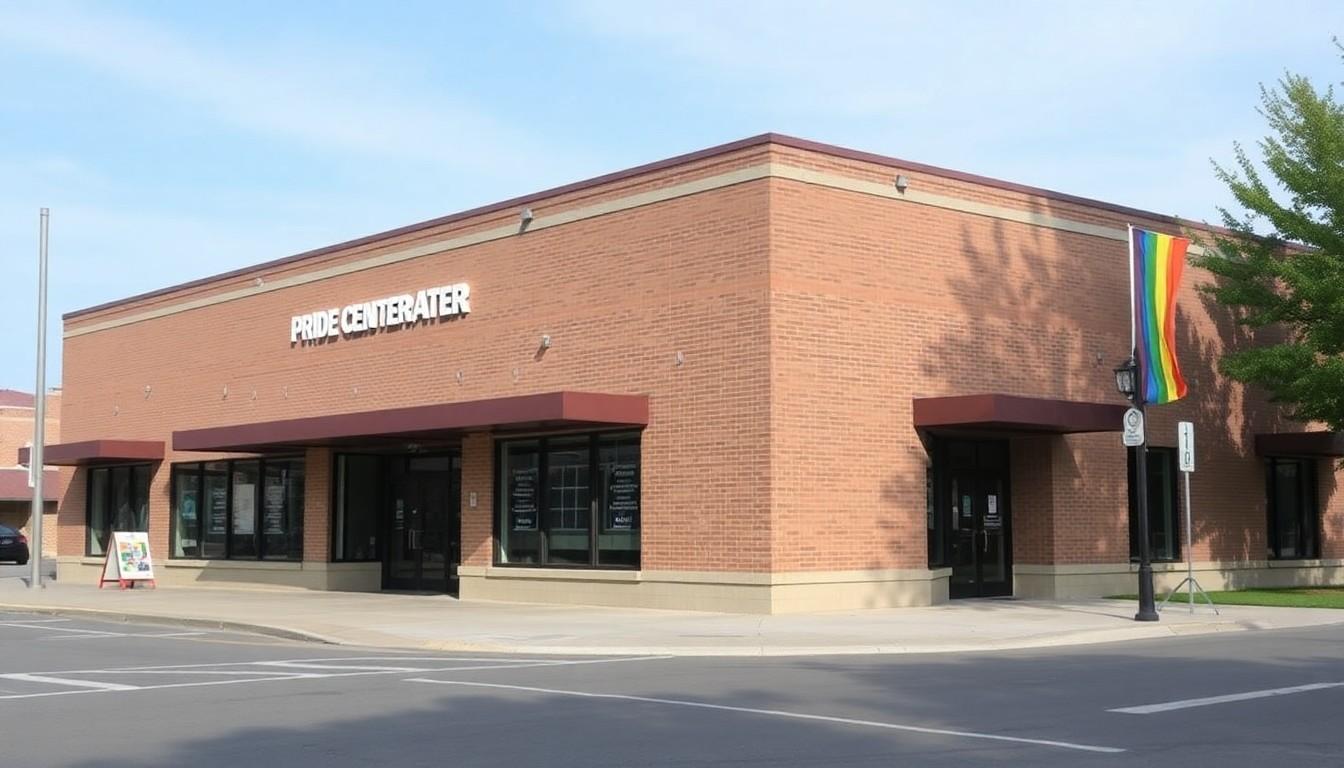
Supporters are rallying around Michigan's oldest LGBTQ+ community centre as a funding crisis threatens to close the Grand Rapids Pride Center by the end of 2026. The West Michigan hub has extended its runway through Christmas, but it still needs a more dependable financial model to protect vital services, community groups and regional Pride events.
Essential Takeaways
- A short-term lifeline: An online fundraiser has helped keep the centre open beyond its earlier Thanksgiving deadline.
- A costly setback: Flooding forced the building to close for three months, while insurance reportedly didn't cover the damage.
- Heavy event reliance: Grand Rapids Pride has traditionally generated a substantial share of the organisation's annual income.
- Services at stake: Six staff members support LGBTQ+ residents across 10 counties, including young people and older adults.
- A wider warning: LGBTQ+ centres and Pride festivals across the US are facing reduced grants, sponsorships and donations.
Michigan's oldest LGBTQ+ centre is running out of room to manoeuvre
The most urgent fact is also the simplest: the Grand Rapids Pride Center has been left with only a narrow financial cushion. Michigan Advance reported that the 38-year-old organisation had around two months of operating costs in reserve before a public fundraising appeal bought it extra time.
That matters because this isn't just an office waiting for a new budget. The centre hosts support groups, runs programmes for children and older LGBTQ+ adults, and connects people across 10 counties. According to Grand Rapids Pride, its work also supports the annual Pride celebration that brings the community together each summer.
The atmosphere around the centre must feel particularly tense after a year of disruption. A quiet building can be unsettling when so many people depend on it as a welcoming, reliable place.
One Pride weekend carried an outsized financial load
For years, the centre's finances have leaned heavily on Grand Rapids Pride. Michigan Advance reported that the festival's income arrives later in the year, while deposits for performers and venues must be paid months earlier, creating a delicate cycle of spending first and recovering later.
The scale of that reliance has shifted as the organisation has grown. Pride Source reported that, when Executive Director Jazz McKinney took over, about 90 per cent of income came from the festival. The budget has since expanded from roughly $200,000 to $630,000, making a single successful weekend less able to carry the whole operation.
That model now looks especially exposed as corporate support for Pride events declines in cities across America. NPR reported that many celebrations are seeing sponsorship income fall sharply, leaving organisers to depend more on grants and individual donors.
Flood damage made a difficult year even harder
A major storm in March added a very physical problem to the financial one. WOOD TV8 reported that flooding closed the centre for three months, forcing staff to relocate operations while repairs took place.
The organisation raised about $28,000 from the community to help restore the building, but the disruption cost more than money. Michigan Advance reported that staff spent valuable time dealing with recovery instead of concentrating on grant applications and sponsorship discussions.
There was also an insurance gap. When a community centre is suddenly unusable, the bills don't politely wait outside. Rent, wages, repairs and programme costs continue, even while normal work is paused.
Why corporate pullback is reaching local services
The loss of a long-standing corporate relationship has sharpened the pressure. Michigan Advance reported that Blue Cross Blue Shield had supported the centre for a decade, including health insurance for McKinney and staff, before changing its approach to retain federal funding.
The centre has also faced knock-on effects from shifting grant conditions and funding policies. A grant application made through a partner was reportedly rejected after the partner introduced a requirement connected to Executive Order 14151.
This is part of a broader squeeze. CenterLink, an umbrella group for LGBTQ+ community centres, has described falling funding across the sector, while the Movement Advancement Project found that many centres remain thinly staffed and are experiencing threats or harassment. In other words, demand is growing just as the money and people available to respond are becoming harder to secure.
Can a fundraiser bridge the gap?
The online appeal had raised more than $62,000 from over 500 donors by late October, according to Michigan Advance. That response has extended the centre's operating window through Christmas, offering breathing space rather than a permanent fix.
The distinction matters. Emergency giving can keep the lights on, but long-term stability may require a broader mix of recurring donations, grants, sponsorships and earned income. The centre's leaders are also trying to ensure that the Grand Rapids Trans Foundation, a separate nonprofit operating in the same building, isn't forced to compete for the same small pool of individual support.
For people considering a donation, the practical question is where their money can do the most good. Checking the centre's official fundraising page, looking for recurring-giving options and sharing the appeal with local networks can all help. One gift may feel modest, but hundreds of small commitments can create a steadier foundation than a single annual surge.
Grand Rapids is not facing this challenge in isolation. Reports from Michigan and other states point to rising demand for LGBTQ+ services alongside tougher funding conditions. The centre's immediate future may hinge on Christmas donations, but its bigger test will be building a model that doesn't depend on one festival weekend to survive.
A community space can look ordinary from the street, yet carry enormous emotional weight inside. That is why the fight to keep this one open reaches far beyond its front door.
It's a small centre with a very large job, and its next chapter will depend on whether support can become sustainable.
Source Reference Map
Story idea inspired by: [1]
Sources by paragraph:
- Paragraph 1: [2], [3]
- Paragraph 2: [7], [2]
- Paragraph 3: [2], [3]
- Paragraph 4: [2], [7]
- Paragraph 5: [2], [3]
- Paragraph 6: [2], [4]
- Paragraph 7: [2], [5]
- Paragraph 8: [2], [5]
- Paragraph 9: [2], [6]
- Paragraph 10: [2], [4]
- Paragraph 11: [2], [5]
- Paragraph 12: [2], [3]
- Paragraph 13: [2], [6]
- Paragraph 14: [2], [4]
- Paragraph 15: [2], [5]
- Paragraph 16: [2], [7]