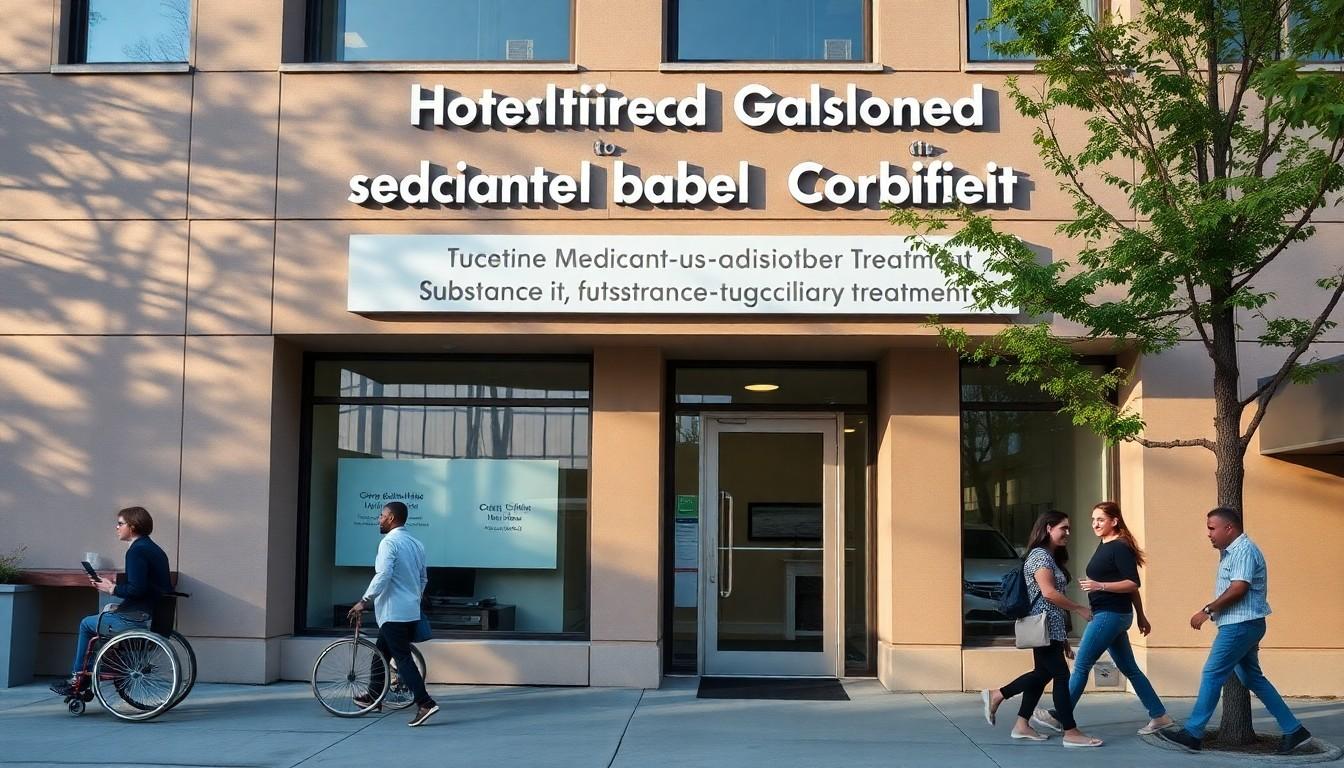
People seeking LGBTQ+ affirming opioid recovery are increasingly looking for medication-assisted treatment that combines proven medicines, counselling and respectful care. The approach can ease cravings and withdrawal, but the right programme also recognises minority stress, mental health and the importance of feeling safe with your clinical team.
Essential Takeaways
- MAT is evidence-based: Medication-assisted treatment combines approved medicines with counselling and medical support.
- Three main options differ: Buprenorphine, methadone and naltrexone work in distinct ways and aren't interchangeable.
- Safety affects engagement: Respectful language, inclusive records and culturally competent staff can make treatment easier to continue.
- Counselling still matters: Therapy can address trauma, anxiety, depression and the pressures that may sit alongside opioid use.
- Support should be individual: A prescriber should discuss your health, goals, other medicines and preferred treatment setting.
MAT can quiet the cycle of cravings and withdrawal
For someone caught in the exhausting rhythm of opioid use, the first benefit of medication-assisted treatment can feel surprisingly practical: a little breathing room. Instead of spending every hour chasing the next dose or bracing for withdrawal, treatment aims to steady the body so recovery work becomes more manageable.
The US Centers for Disease Control and Prevention explains that medicines for opioid use disorder reduce cravings and withdrawal, while lowering the risk of overdose and supporting long-term recovery. Counselling and wider support can be added around that medical foundation, rather than expected to carry the whole burden alone.
Buprenorphine, methadone and naltrexone each take a different route. Buprenorphine partly activates opioid receptors, methadone activates them more fully under controlled treatment, and naltrexone blocks their effects. The US Food and Drug Administration says the choice should be made with a qualified clinician, based on a person's circumstances and treatment needs.
The "swapping one drug for another" claim misses the point
The most persistent criticism of MAT is also one of the least helpful: that a prescribed medicine simply replaces an illicit opioid. That comparison ignores the difference between supervised treatment and a pattern driven by rapid intoxication, unpredictable supply and repeated withdrawal.
Medication-assisted treatment is designed to stabilise opioid use disorder, not reward it. The Illinois Department of Public Health notes that these medicines can reduce cravings and withdrawal, helping people remain in treatment and avoid the dangerous highs and lows associated with unregulated opioids.
That distinction matters particularly for LGBTQ+ patients who may already have been dismissed or judged in healthcare settings. A treatment plan built around evidence, consent and clear information can replace shame with something far more useful: a realistic chance to recover.
Why an affirming clinic can make treatment more sustainable
A clinic can have excellent medical credentials and still feel uncomfortable if staff ignore a patient's name, pronouns, relationships or gender-affirming care. For many LGBTQ+ people, those details aren't cosmetic. They influence whether it feels safe to disclose symptoms, ask questions or return after a difficult appointment.
The CDC describes opioid use disorder as a treatable medical condition and stresses the value of accessible, non-judgemental care. For LGBTQ+ patients, that principle needs to show up in ordinary moments, from intake forms and waiting-room language to how staff respond when someone misses an appointment.
Chosen family may also be part of the practical safety net. A friend or partner might provide a lift, attend appointments or notice early warning signs, so an inclusive programme should ask who the patient wants involved rather than assuming support comes from relatives.
MAT works best inside a broader recovery plan
Medication can settle the physical side of opioid use disorder, but it doesn't automatically resolve grief, trauma, depression or anxiety. The CDC recommends combining medication with behavioural therapies and other support where appropriate, giving people a fuller plan rather than a single intervention.
That might include cognitive behavioural therapy, trauma-focused work, peer support, housing assistance or treatment for another mental health condition. The most useful mix depends on the individual, and it may change as recovery progresses. In other words, MAT isn't a finish line; it's one tool that can make the rest of the journey possible.
This wider approach is especially important when minority stress is part of the picture. Repeated discrimination, family rejection or fear of being misgendered can add pressure to an already demanding recovery process. Good care doesn't treat those experiences as background noise.
Questions to ask before starting LGBTQ+ affirming MAT
Before choosing a programme, ask how staff record and use your name and pronouns. Find out which medicines are available, how prescribing decisions are made, whether counselling is included and what happens if you experience side effects, cravings or a setback.
It's also sensible to ask how the service coordinates with gender-affirming healthcare and other prescriptions. The FDA advises patients to discuss all medicines and health conditions with their clinicians, while the CDC recommends ongoing medical follow-up during treatment.
Finally, ask what practical support is available between appointments. Can someone contact the team during a difficult week? Is telehealth offered? Are family, partners or chosen family welcome when you want them involved? A rainbow sticker may look reassuring, but clear answers to these questions tell you much more about how affirming a service really is.
Medication-assisted treatment is not a moral compromise; for many people, it's a steadier route back to everyday life.
Source Reference Map
Story idea inspired by: [1]
Sources by paragraph:
- Paragraph 1: [2], [7]
- Paragraph 2: [6], [4]
- Paragraph 3: [2], [6]
- Paragraph 4: [4], [5]
- Paragraph 5: [2], [7]
- Paragraph 6: [2], [4]
- Paragraph 7: [2], [7]
- Paragraph 8: [5], [7]
- Paragraph 9: [2], [7]
- Paragraph 10: [2], [7]
- Paragraph 11: [6], [7]
- Paragraph 12: [2], [6]
- Paragraph 13: [2], [7]
- Paragraph 14: [6], [7]
- Paragraph 15: [2], [5]