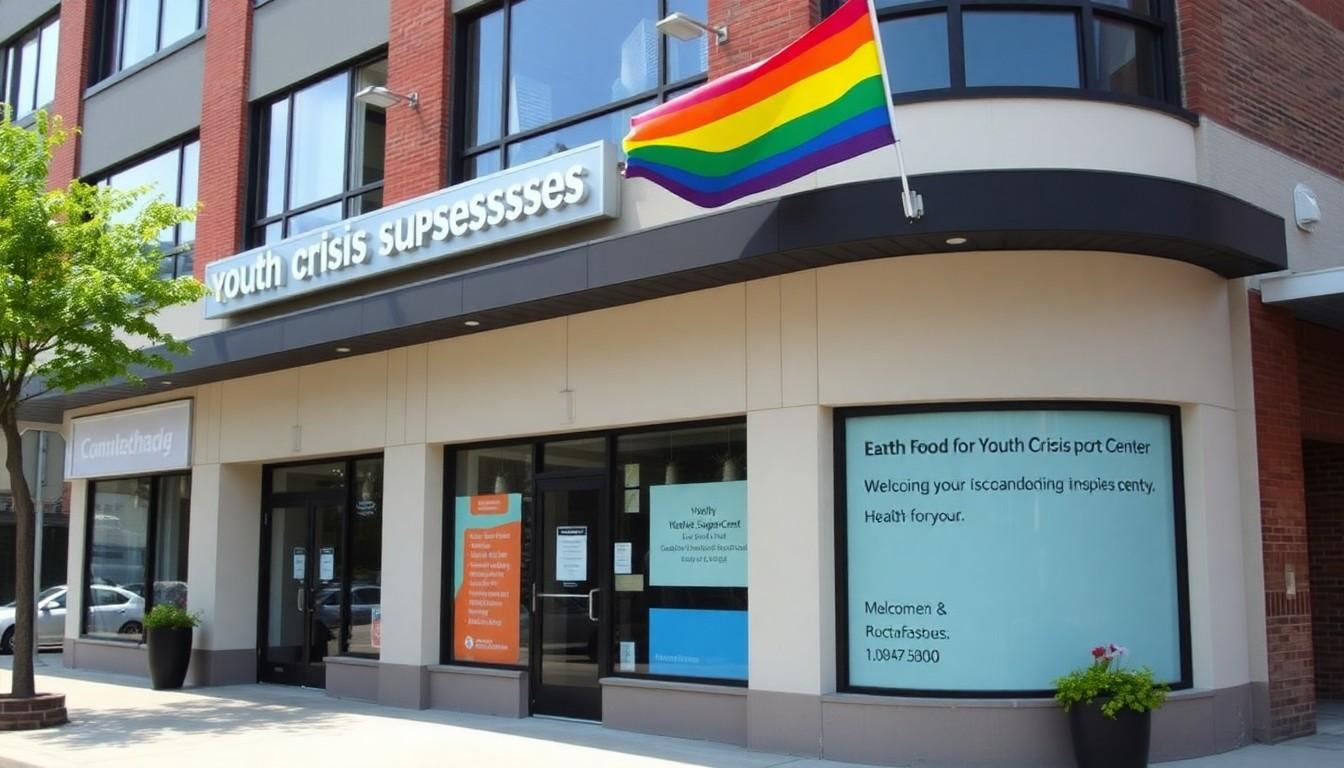
LGBTQ+ young people in Tennessee and across the US can once again reach specialised support through the 988 Lifeline, after funding restored its Press 3 service. The return offers another confidential route through emotional distress, rejection and suicidal thoughts, although questions remain about training and consistently affirming care for transgender and non-binary callers.
Essential Takeaways
- Press 3 is back: LGBTQ+ youth can call 988 and select option 3 for specialised support.
- Funding restored: Congress provided $33.1 million for the service, which returned on 30 September 2026.
- More than one option: The Trevor Project continues to offer confidential help for LGBTQ+ young people aged 13 to 24.
- Tennessee support is available: Call or text 988 and select option 0 for statewide crisis services.
- Help isn't only for emergencies: People can reach out for distress, isolation or discrimination, even without suicidal thoughts.
A vital crisis route is open again
For someone feeling frightened, rejected or completely alone, a familiar voice can matter enormously. The return of 988's specialised LGBTQ+ youth support gives young people another immediate way to reach a crisis counsellor, without needing to search for a service while in distress.
The service, widely known as Press 3, resumed after federal funding was approved for dedicated LGBTQ+ youth support. According to the Los Angeles Times, the relaunch follows a period in which the specialised option was unavailable after funding ran out.
That gap was significant. The programme had handled more than 1.5 million crisis contacts before it was discontinued, showing how many young people relied on a service designed with their experiences in mind.
Why Press 3 matters to LGBTQ+ young people
LGBTQ+ youth often face pressures that can pile up quickly, including family rejection, bullying, discrimination and anxiety around identity. A general crisis line can still help, but specialised support may make it easier for callers to explain what they're going through without having to translate every part of their experience.
The Trevor Project helped establish the original service and welcomed its return. In a statement, the organisation said the restored programme could provide an important additional safety net, while making clear that it isn't taking part in the relaunched federal service.
That distinction matters because the return of the service doesn't end every concern. Reporting from Medical Daily and Queer Dispatch highlighted ongoing questions about counsellor preparation and whether transgender and non-binary callers will consistently receive informed, affirming care.
How to use 988 in Tennessee
Calling 988 connects people with the national Suicide & Crisis Lifeline. LGBTQ+ young people seeking the specialised service can select option 3, while anyone needing general crisis support can call or text 988 directly.
Tennessee also offers statewide crisis services. Call or text 988 and select option 0 to reach Tennessee support, including mobile crisis responses for children and young people facing psychiatric emergencies.
The service is intended for more than immediate suicide risk. If a young person is overwhelmed, unsafe at home, dealing with discrimination or struggling to cope, reaching out early can be a sensible step rather than waiting until things become unbearable.
The Trevor Project remains an independent alternative
The restored federal service isn't the only route available. The Trevor Project continues to provide free, confidential crisis support for LGBTQ+ young people aged 13 to 24 through its phone, text and online services.
Young people can call 1-866-488-7386, text START to 678678 or visit TheTrevorProject.org/Get-Help. The organisation's continued availability is especially useful for anyone who prefers text-based support or wants a service dedicated entirely to LGBTQ+ youth.
The Trevor Project's earlier announcement about the closure of Press 3 described the loss of specialised federal support as a serious blow to young people seeking help. Its independent services therefore remain an important option while the renewed 988 programme settles into place.
What happens next?
The return of Press 3 is welcome, but funding alone won't guarantee a good experience. Counsellors need practical training in LGBTQ+ issues, including the specific pressures faced by trans and non-binary young people, and callers need confidence that they'll be treated with respect.
The service's performance will likely be judged not just by how many calls it answers, but by whether young people feel heard when they use it. As reporting from MobileStalk and other coverage of the relaunch suggests, careful oversight will be essential.
For families and friends, the simplest message is also the most important: support is available, and someone doesn't have to wait for a crisis to become life-threatening before asking for help.
It's a small number to remember, but it could make a life-changing difference.
Source Reference Map
Story idea inspired by: [1]
Sources by paragraph: