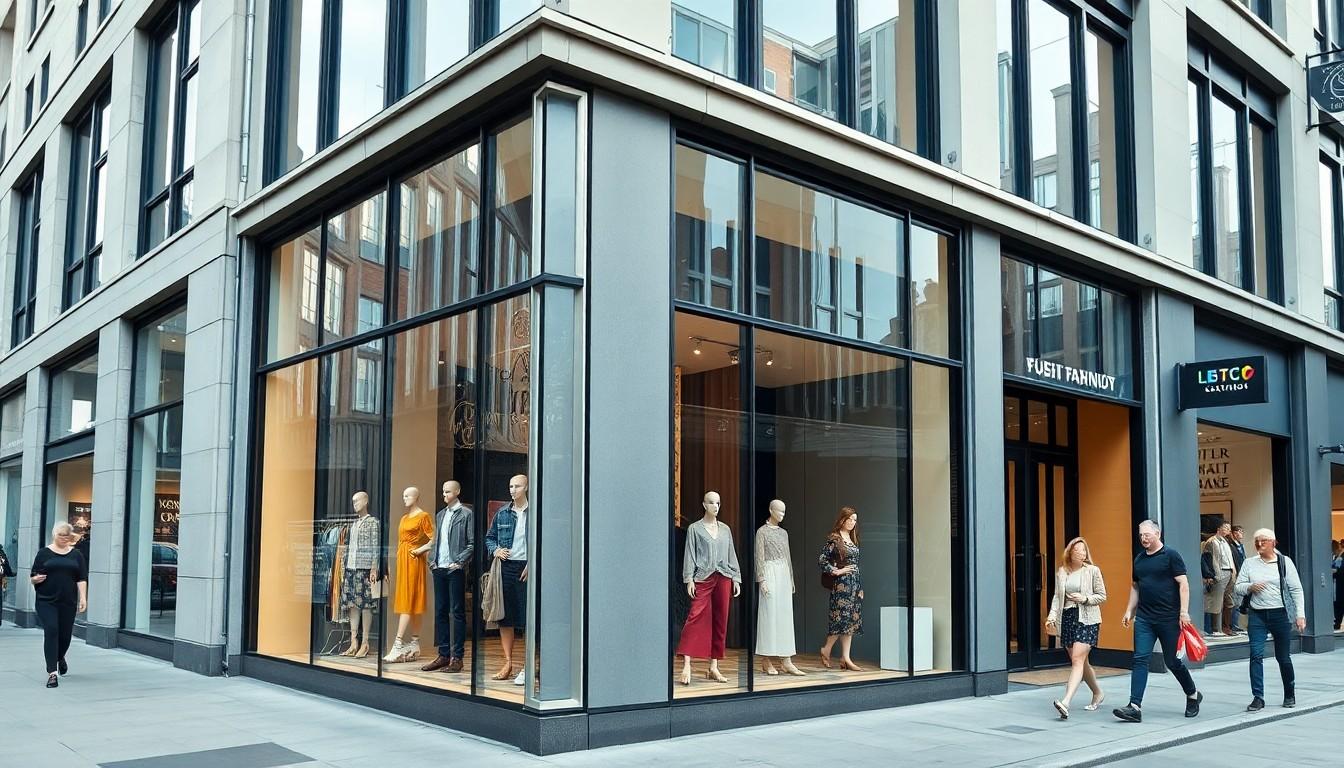
Shoppers are looking beyond rainbow logos and one-month campaigns for LGBTQ+-owned brands that offer thoughtful design, useful products and more meaningful community support. From independent fashion labels to lifestyle and children’s brands, these businesses make it easier to turn allyship into an everyday shopping habit.
Essential Takeaways
- Buy beyond June: Regular purchases can support LGBTQ+ founders more directly than seasonal rainbow merchandise.
- Look for transparency: Independent sustainability ratings can reveal how brands approach workers, materials and animals.
- Expect variety: The LGBTQ+-owned landscape spans fashion, art, homewares, beauty, gifts and family products.
- Shop with care: Smaller labels may have limited stock, so check sizing, delivery details and returns before ordering.
- Think past the logo: Meaningful support is about ownership, business practices and long-term advocacy, not just colourful branding.
Rainbow branding is no substitute for real support
A rainbow logo can be cheerful, but it doesn't tell shoppers much about who made a product, where it was produced or whether a company supports LGBTQ+ people beyond a marketing calendar. That matters because Pride-themed campaigns have often been criticised for turning identity into a sales device while leaving deeper workplace and supply-chain issues untouched. Good On You has previously examined this tension, including the industry's movement from loud rainbow marketing towards quieter, less accountable messaging. [2], [4]
Shopping with LGBTQ+-owned businesses offers a more direct alternative. Rather than buying a limited-edition item from a global chain, customers can choose a product from a founder whose livelihood and creative work are rooted in the community. It's not a perfect substitute for corporate accountability, but it gives everyday spending a clearer human connection. [3], [6]
Independent labels bring personality to the basket
The brands highlighted by Good On You include names such as The Glade, Lonely Kids Club and Disruptor London, showing how broad the category has become. These aren't simply novelty Pride shops; they represent distinct creative businesses with their own visual languages, products and audiences. That individuality is often the appeal, especially for shoppers tired of identical, mass-produced merchandise. [3], [4]
Other guides point to LGBTQ+-founded businesses across fashion, beauty, home, gifts and family shopping. NBC News and The Bump have both featured selections designed to help customers discover inclusive businesses, while LGBTQ+ Outpost maintains a wider directory of brands and products. The result is a useful reminder that supporting queer-owned commerce doesn't have to mean buying a slogan T-shirt. [2], [6], [7]
Sustainability still matters when ownership leads the story
Buying from an LGBTQ+-owned business can be meaningful, but it shouldn't mean switching off your usual shopping instincts. Good On You's featured labels were assessed against evidence covering people, the planet and animals, giving readers another way to compare brands beyond identity alone. Public disclosure is especially useful when a business is small and shoppers want reassurance about materials, labour and production. [3], [4]
That doesn't mean every independent brand will have the resources to publish a glossy impact report. A sensible approach is to look for clear information about fabrics, manufacturing, packaging, shipping and returns. If details are missing, a friendly question to the business can be more useful than assuming a brand is either perfectly ethical or not worth considering. [5], [6]
How to shop LGBTQ+-owned brands thoughtfully
Start with the product you genuinely need, then search for an LGBTQ+-owned alternative rather than adding something disposable to your basket. Check whether the business is transparent about ownership, production and fulfilment, and read the returns policy carefully. Smaller labels may work with limited runs, pre-orders or made-to-order stock, so delivery times can differ from those of a major retailer. [2], [6]
It's also worth following a brand between campaign periods. Buying at quieter times, recommending a business to friends and leaving a useful review can help more than a once-a-year rush. And if you're purchasing clothing, check measurements rather than relying on familiar size labels; independent brands don't always use the same grading as high-street chains. [4], [7]
Everyday allyship looks less flashy, but lasts longer
The strongest message from these guides is that support shouldn't begin and end with Pride. Trans-owned businesses, queer artists and LGBTQ+-founded labels are creating work across fashion, art, food, home and family life, often with a point of view that feels more personal than corporate seasonal merchandise. LGBTQ+ Nation's coverage, for example, highlights trans-owned businesses reshaping creative and commercial spaces on their own terms. [5]
That makes discovery part of the pleasure. A well-made item from a small brand can feel like a purchase with a story attached, not another anonymous parcel in the hallway. For shoppers who want their money to reflect their values, that small shift is practical, visible and refreshingly free of rainbow-washing. [3], [5]
Support brands that fit your needs, values and budget, and make the habit last beyond Pride season.
Source Reference Map
Story idea inspired by: [1]
Sources by paragraph: