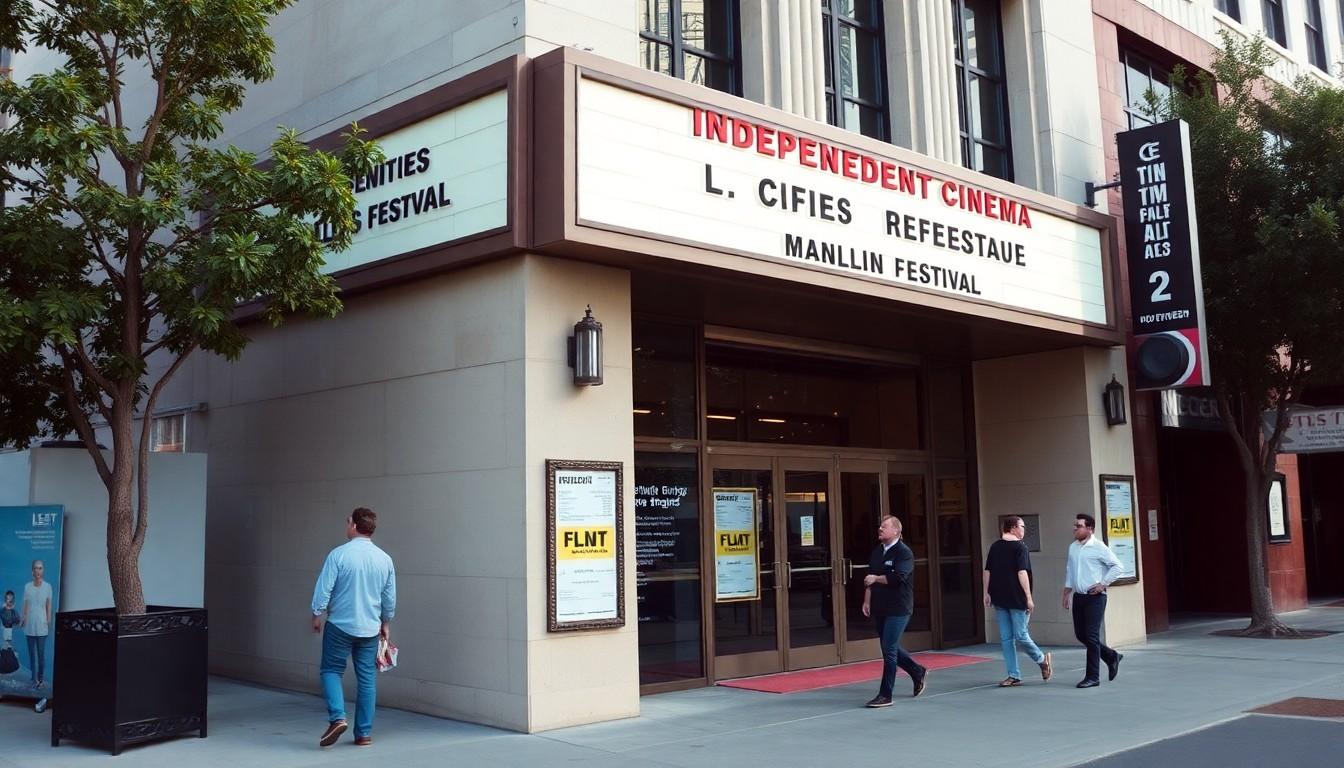
Audiences in Los Angeles are discovering a bold new wave of LGBTQ+ cinema through NewFilmmakers Los Angeles’ InFocus programme, where intimate dramas, surreal comedies and fiercely physical shorts sit alongside Honey Lauren’s debut feature, Mistake. The June 2026 festival offers a vivid snapshot of queer filmmaking today: personal, playful, politically alert and impossible to squeeze into one neat genre.
Essential Takeaways
- A broad LGBTQ+ programme: NFMLA’s June showcase combines two shorts programmes with the Los Angeles premiere of Mistake.
- Stories with range: Films explore queer faith, family, grief, race, disability, desire, shame and belonging.
- A standout feature: Honey Lauren’s Mistake follows a family confronting the birth of an intersex child in 1941.
- A physical, emotional selection: From Mexican wrestling to ballet and rowing, bodies and performance drive several films.
- Part of a wider festival: The event also includes a shorts programme linked to countries participating in FIFA World Cup 26.
NFMLA’s LGBTQ+ cinema programme refuses to play it safe
The most striking thing about NFMLA’s LGBTQ+ selection is its sheer tonal range. One film turns Jesus into the centre of a queer comic premise, while another follows rowers whose physical rivalry becomes tangled with shame and the hunger for approval. There’s tenderness here, but there’s also bite, sweat and a welcome streak of oddness.
That variety is central to the festival’s InFocus strand, which puts a particular community or perspective in the spotlight while remaining part of NFMLA’s broader monthly programme. According to the festival’s event information, the June 2026 edition brings together short films from filmmakers working across different backgrounds and forms. It’s a useful reminder that LGBTQ+ cinema isn’t a genre so much as a lens.
From queer cafes to haunted inner voices
Several shorts place identity inside recognisable social spaces, then give those spaces a twist. In Mark Marquez’s Dark Roast, a queer and trans-led cafe faces the threat of a powerful franchise, turning a local business fight into a story about community ownership and survival.
Tierra Frost’s Pink Oz’s takes a more internal route. Its central character, Khris, is troubled by an imagined chorus of judgemental church women as she navigates desire and rivalry at work. The concept sounds heightened, but the emotional core is familiar: that exhausting moment when other people’s expectations start speaking in your own voice.
Elsewhere, Blossoms follows an unexpected bond between two people linked by the same small-town past, while You Don’t Like Cake? explores romantic nerves and asexual identity through a young man preparing for a date. These films don’t treat queer life as a single dramatic crisis. Instead, they find meaning in awkward conversations, private doubt and the slow work of becoming more comfortable in your own skin.
Why Mistake gives the programme a deeper historical edge
Honey Lauren’s Mistake expands the festival’s conversation from contemporary identity to the long shadow of medical and family decisions. Set in the American South in 1941, the feature centres on a child born intersex and the choice the family must make about how that child will be raised.
Lauren, whose previous work includes award-winning shorts and documentary projects, has described the film as a character-driven exploration of someone struggling to exist in a world that fails to see him. The film’s premise carries obvious historical weight, but its emotional pull appears to come from the way one decision affects an entire family and echoes across many lives.
The Los Angeles premiere also gives the programme a natural centre of gravity. After the quick impact of a short film, a feature such as Mistake allows the audience to sit with consequences, contradictions and the uncomfortable spaces where love, fear and social pressure overlap.
Bodies, desire and competition take centre stage
A number of the selected films use movement as more than decoration. Brian Golden’s Row Your Boat follows three male rowers as competition intensifies, pushing their bodies and self-image towards a breaking point. Its movement-led approach promises something more visceral than conventional dialogue-driven drama, with rowing becoming a language for desire, validation and internalised shame.
Carlton Daniel’s Fly also builds its story around physical performance. A perfectionist dancer at an apprenticeship audition encounters a rival who reignites their love of the art form. The setup suggests a familiar competition narrative, but the film’s LGBTQ+ perspective shifts the emphasis towards vulnerability and the possibility of finding joy again.
Then there’s Oscar Simmons’ El Corazon, set in the vivid world of 1950s Mexican wrestling. Its young luchador is driven by revenge against a famous opponent, creating a colourful arena for questions about masculinity, spectacle and emotional control. Put together, these films show how sport and performance can reveal what characters struggle to say aloud.
Grief, faith and identity meet the surreal
The programme also has room for films that go gloriously off-centre. In Aaron Jin’s Gay Jesus, the central conceit is right there in the title, allowing the filmmaker to approach purpose, faith and queerness through comedy rather than solemnity.
Kai Kim and Billy Griffin Jr’s G L O R Y travels in an even more psychedelic direction. Following the death of a long-term boyfriend, its protagonist becomes consumed by glory holes and embarks on a strange journey through queer consciousness. It sounds deliberately provocative, but beneath the outrageous imagery lies a familiar question: how does grief reshape the ways people seek connection?
A different kind of emotional danger appears in something still, in which a heartbroken man returns to an ex-boyfriend’s flat and confronts the consequences of a boundary both men allowed to blur. Meanwhile, Gummy Worms combines bereavement with espionage, as a sheltered rookie agent begins to realise that the world she trusted was built on deception. The selection clearly isn’t interested in keeping grief, romance or identity in separate boxes.
How to approach this LGBTQ+ film festival selection
For newcomers, the easiest way in is to follow the programme’s contrasts. Pair a grounded relationship story such as something still with the heightened comedy of Gay Jesus, or set the athletic pressure of Row Your Boat against the family history of Mistake. The shifts in tone are part of the pleasure.
It’s also worth checking the running order and event details before attending, as the festival includes separate shorts programmes as well as the feature presentation. NFMLA encourages filmmakers from all backgrounds to submit work throughout the year, so this June showcase is best viewed as one chapter in an ongoing conversation rather than a one-off statement.
With its mix of emerging voices, established festival talent and unapologetically unusual premises, the programme feels alive in the best way. It may make you laugh, wince or sit quietly for a moment afterwards, which is often a good sign that a film has stayed with you.
Explore the selection with an open mind and let the programme’s contrasts do the talking.
Source Reference Map
Story idea inspired by: [1]
Sources by paragraph:
- Paragraph 1: [2], [3]
- Paragraph 2: [6], [7]
- Paragraph 3: [2], [5]
- Paragraph 4: [2], [4]
- Paragraph 5: [4], [6]
- Paragraph 6: [2], [7]
- Paragraph 7: [2], [6]
- Paragraph 8: [2], [7]
- Paragraph 9: [2], [4]
- Paragraph 10: [2], [6]
- Paragraph 11: [2], [7]
- Paragraph 12: [2], [3]
- Paragraph 13: [2], [7]
- Paragraph 14: [2], [3]
- Paragraph 15: [2], [7]