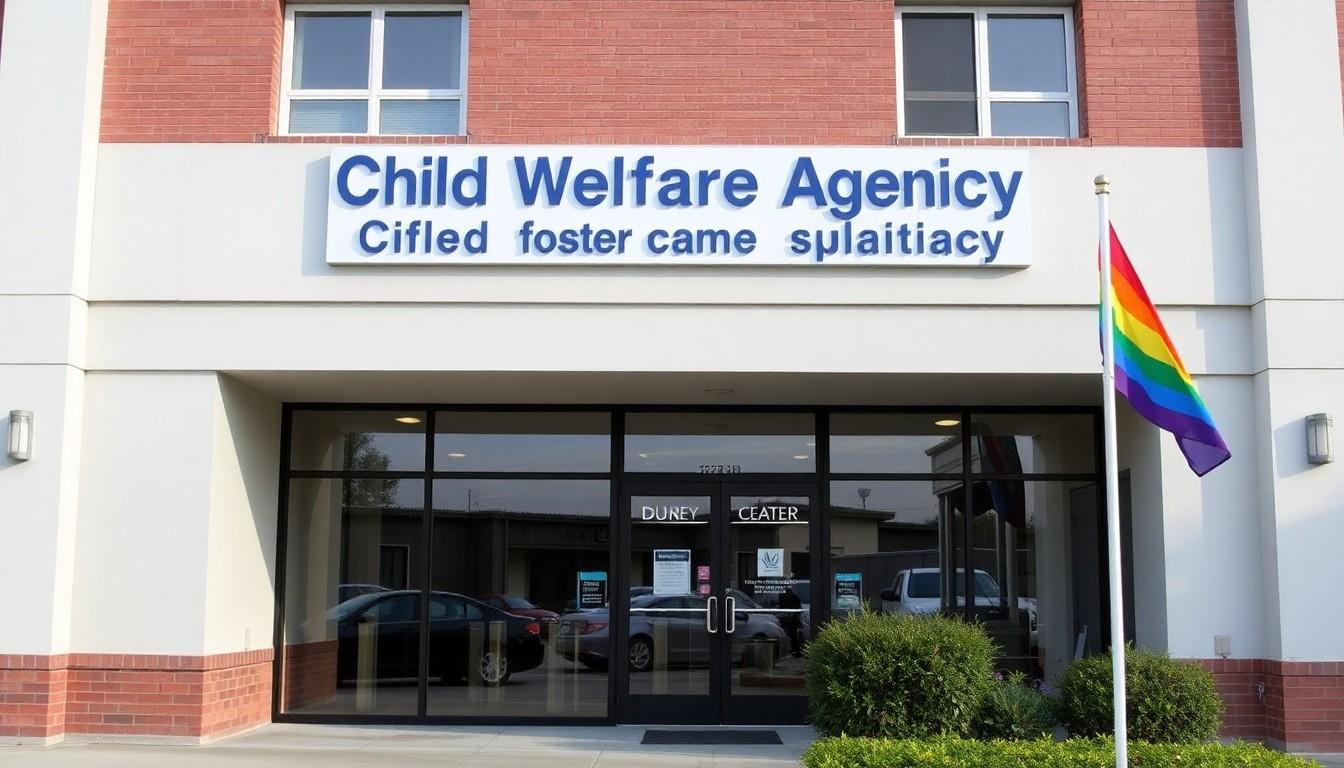
Children entering foster care rarely get a say in where they live, yet many LGBTQ+ young people face added risks if their identity isn't understood or supported. Research and child-welfare guidance point to a practical answer: better training, more affirming carers and a safety-first approach in every placement.
Essential Takeaways
- LGBTQ+ youth are widely represented in care: Research has found that LGBTQ+ young people make up a substantial share of the foster-care population.
- Placement can affect safety: Young people may fear rejection, discrimination or another move if they disclose who they are.
- Affirmation matters: Supportive carers can help reduce isolation and create the calm needed for a child to settle.
- Training is practical, not political: Foster parents need clear guidance on language, privacy, relationships, healthcare and family connections.
- Faith and inclusion can coexist: Religious carers can provide excellent homes when they commit to treating every child with dignity.
Foster care isn't a dating app, and children can't choose
Foster-care matching is often discussed as though families and children are browsing options together. In reality, a young person arriving in care may be frightened, exhausted and carrying belongings in a bin bag. They don't get to swipe through homes or select a reassuring set of house rules.
That lack of control makes the first placement especially important for LGBTQ+ children and teenagers. Guidance from FosterClub and the National Center for Lesbian Rights stresses that young people need carers who respect their identity, protect their privacy and understand the pressures that can come with being LGBTQ+ in care.
A spare bedroom and a kind smile are valuable, of course. But the emotional atmosphere matters too. A child should be able to say who they are without wondering whether honesty will lead to rejection or another disruption.
The numbers make this more than a niche issue
LGBTQ+ young people aren't a tiny exception in the child-welfare system. A study published in Pediatrics, examining almost 600,000 California students, found that more than 30% of young people living in foster care identified as LGBTQ+. That's roughly one in three, a figure that changes how agencies should think about recruitment and preparation.
Other child-welfare organisations describe LGBTQ+ children in care as facing disproportionate exposure to homelessness, placement instability and discrimination. The Children's Rights fact sheet also highlights the need for systems to collect better data, since children may not feel safe disclosing their identity to professionals.
The result is a tricky double problem: some young people are clearly present in the system, but the system may still fail to see them. That isn't individualised care. It's care built around incomplete information.
Why an affirming home can change the whole experience
Being a teenager is already a curious, awkward business. First crushes, first dates and the daily drama of school can feel enormous, even when everything else at home is steady. For an LGBTQ+ teenager, those ordinary milestones may come with secrecy or anxiety about what disclosure could cost.
FosterClub notes that LGBTQ+ and Two-Spirit youth may need support around identity, culture, family relationships and personal safety. A carer doesn't need perfect knowledge on day one, but they do need openness, patience and the willingness to learn.
That can mean using a young person's chosen name, avoiding assumptions about partners, helping them find suitable clothing or healthcare, and making sure siblings or visitors understand basic boundaries. Washington's Department of Children, Youth, and Families similarly advises foster carers to create an environment where LGBTQ+ young people are respected and supported.
What foster parents should ask before a child arrives
The best preparation is concrete. Agencies should explain how carers can respond if a young person comes out, asks for privacy, wants LGBTQ+ books or attends an identity-based youth group. They should also cover online safety, bullying, family contact and what to do if a child says they feel unsafe.
For prospective carers, a few questions can reveal whether an agency is genuinely prepared. Does training include LGBTQ+ youth? How are complaints handled? Can the placement team identify affirming schools, therapists and health professionals? What happens if a child reports that a home isn't safe?
The National Center for Lesbian Rights recommends protections against discrimination and support that recognises the particular experiences of LGBTQ+ youth. In plain English, carers don't have to know every answer, but they must know how to find one without making the child do all the work.
Faith-based carers still have an important role
It would be a mistake to treat faith-based organisations or religious foster parents as automatically unsuitable. Many provide committed, generous homes and remain willing to take children others overlook. The practical question isn't whether a carer worships, but whether a child can live there without being shamed or pressured to hide.
That distinction matters because the system needs more safe homes, not fewer. Agencies should recruit widely in churches, synagogues, mosques and other communities while being explicit about non-discrimination and the expectations of fostering.
The wider policy debate may continue to swing with elections and court decisions. Children, meanwhile, still need dinner, a quiet place to sleep and an adult who believes them. That basic human steadiness should be the part of foster care that never changes.
A safe placement starts with adults who are ready to listen before they judge.
Source Reference Map
Story idea inspired by: [1]
Sources by paragraph:
- Paragraph 1: [3], [4]
- Paragraph 2: [4], [7]
- Paragraph 3: [5], [6]
- Paragraph 4: [2], [5]
- Paragraph 5: [3], [4]
- Paragraph 6: [4], [7]
- Paragraph 7: [3], [5]
- Paragraph 8: [4], [7]
- Paragraph 9: [6], [7]
- Paragraph 10: [3], [5]
- Paragraph 11: [4], [6]
- Paragraph 12: [3], [7]
- Paragraph 13: [5], [6]
- Paragraph 14: [3], [4]
- Paragraph 15: [5], [7]