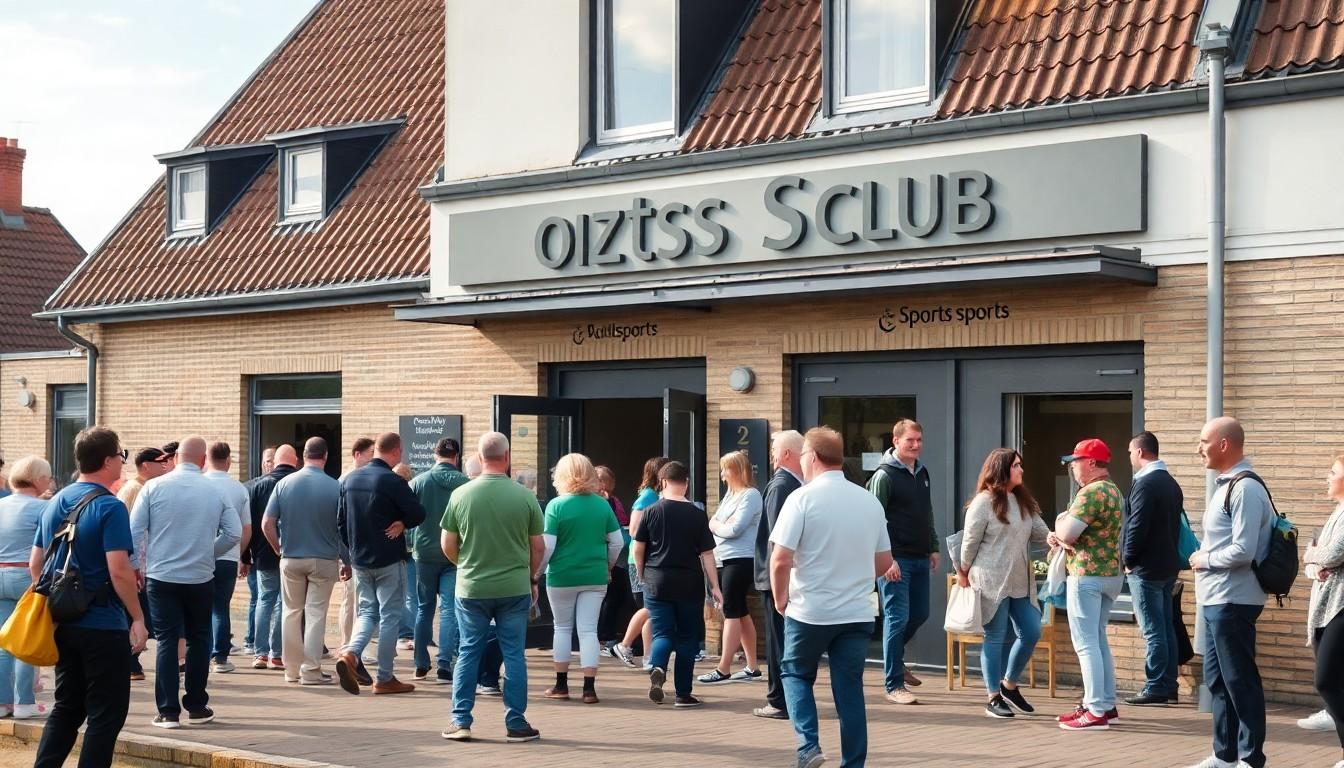
A new Dutch survey has revealed a sharp drop in acceptance of homosexuality in sports clubs, raising fresh concerns about inclusion in everyday amateur sport. The findings matter because changing-room attitudes can shape whether LGBT players feel safe, welcome and able to keep taking part.
Essential takeaways
- Acceptance has fallen: 66% of respondents had no objection to a gay club member, down from 85% in 2008.
- Changing rooms remain a flashpoint: 55% were comfortable sharing a shower with a gay team-mate of the same sex, compared with 73% previously.
- The trend extends beyond sport: Young people and schools are also showing less positive attitudes towards homosexuality.
- Sports leaders are concerned: NOC*NSF called the findings highly regrettable and promised stronger inclusion efforts.
- Grass-roots work is under pressure: The John Blankenstein Foundation reports weaker interest in workshops and more objections from parents.
Dutch sports clubs are seeing a worrying change
The headline figure is difficult to ignore. According to research by the Mulier Institute, just 66% of people now say they have no objection to a fellow sports-club member being gay, compared with 85% in 2008.
That shift is especially striking because amateur sport is often presented as one of the easiest places to build community. Training sessions, muddy sidelines and post-match chats are supposed to bring people together. Instead, for some LGBT players, the atmosphere may be becoming less relaxed and less predictable.
The findings form part of a wider decline in LGBT tolerance in the Netherlands, according to related reporting by Dutch News. [2], [3]
Why changing rooms still matter
The survey also asked about sharing a shower with a gay team-mate of the same sex. Only 55% said they had no problem with it, down from 73% in 2008.
That question may sound old-fashioned, but it points to something practical: whether people feel comfortable around LGBT colleagues in ordinary, communal spaces. For players, the changing room isn't an abstract debate. It's where they get changed, joke around, cool down and decide whether they feel they belong.
The figures also underline why club policies need to go beyond slogans. Clear expectations about harassment, reporting and respectful behaviour can make a quiet but important difference, particularly for younger players. Dutch News' coverage has linked the sports figures to a broader hardening of attitudes. [4], [5]
The decline isn't limited to sports
The Mulier Institute said similar movement has been seen in schools. Among boys aged 12 to 16, the proportion with a positive view of homosexuality reportedly fell from 40% to 22% since 2021.
That context matters. Sports clubs don't operate in isolation: young players bring attitudes from classrooms, social media and family conversations onto the pitch. If those views are becoming more hostile, coaches and volunteers may find themselves dealing with tensions that used to be less visible.
The pattern also suggests that inclusion work can't be treated as a one-off campaign. It needs regular conversations, confident coaching and adults who know how to respond when a joke turns into exclusion. Related Dutch News reporting describes the wider debate as increasingly sharp and unpleasant. [6], [7]
Campaigners say enthusiasm is weakening
NOC*NSF, the Dutch Olympic Committee, described the results as highly regrettable and said it would strengthen its work to make sport more inclusive.
Campaigners, however, say the challenge is already being felt on the ground. The John Blankenstein Foundation, which works on LGBT emancipation in sport, has noticed less enthusiasm for its workshops and more parents raising objections.
Karin Blankenstein, who founded the organisation in 2008, told NOS that she understood the sensitivity around transgender participation in elite sport, but stressed that the survey concerned amateur sport. That's an important distinction: most clubs are dealing with local teams, weekend fixtures and young athletes, not international eligibility rules. [2], [3]
What clubs can do next
The most useful response is likely to be practical rather than theatrical. Clubs can make their codes of conduct explicit, train coaches to challenge homophobic language and give players a confidential way to report problems. They can also ensure that inclusion applies in changing rooms, on team chats and in the stands, not just on a poster by reception.
Parents have a role too. A child shouldn't have to choose between playing the sport they love and hiding part of who they are. Clubs that create a calm, consistent standard of respect may be better placed to keep players involved and prevent small incidents becoming a pattern.
The outlook will depend on whether organisations treat the figures as a temporary dip or a warning sign. For now, the message is clear: tolerance can't be assumed simply because a club is friendly on the surface. [4], [5]
It's a small pitch, court or changing room, but it can set the tone for an entire community.
Source Reference Map
Story idea inspired by: [1]
Sources by paragraph: