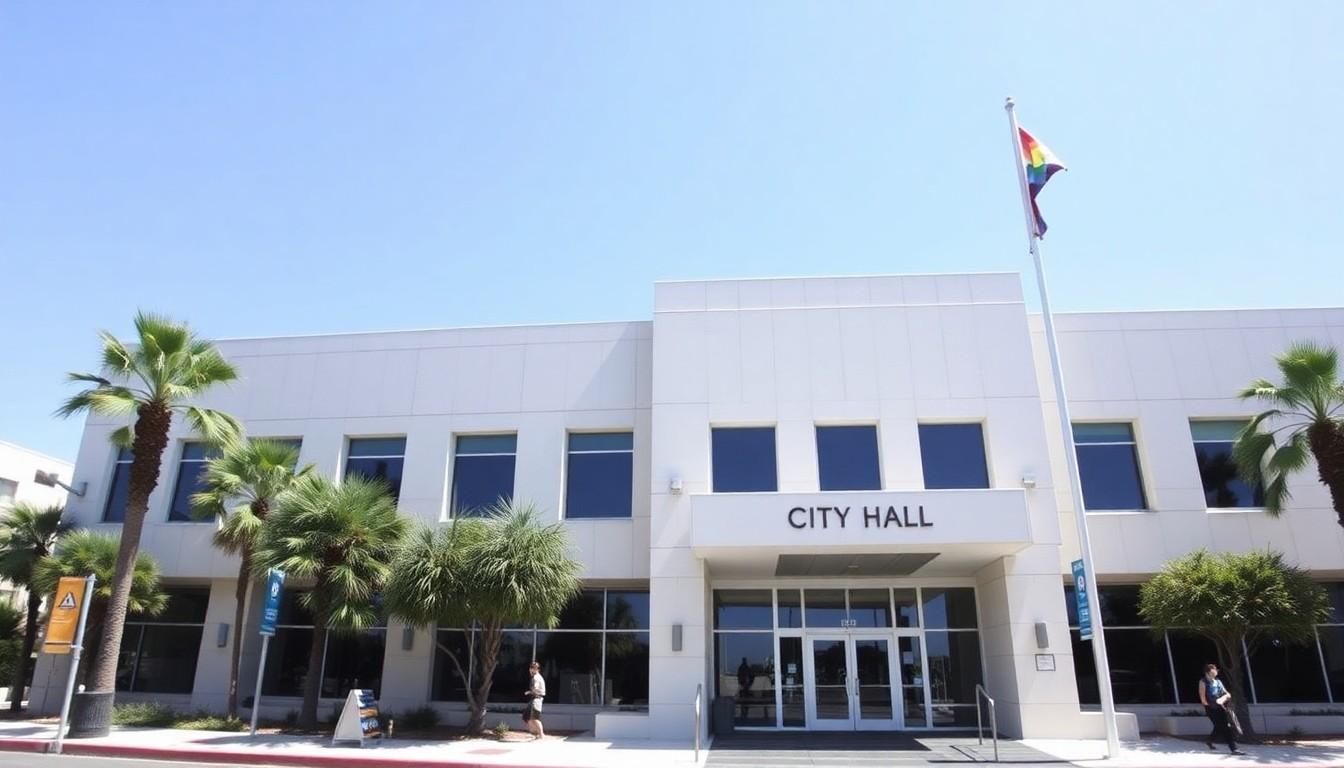
Residents and advocates in West Hollywood are asking what a “trans sanctuary” really means when public declarations meet allegations of harm, unanswered questions and political pressure. The debate matters beyond one California city: it tests whether symbolic solidarity can become practical protection for transgender and non-binary people who live, work and gather there.
A sanctuary promise is being tested
West Hollywood has long presented itself as a visible centre of LGBTQ+ life, with rainbow flags, nightlife and public events woven into the city’s identity. In 2023, its council declared the city a safe place and sanctuary for transgender people, responding to a wider rise in anti-trans legislation and violence. According to ABC7, the resolution was framed as a statement of support during an increasingly hostile national climate. [3]
That language carries emotional weight, but it also creates an obligation. A sanctuary can't simply be a comforting phrase on a council website or a line in a speech; residents need to see how it changes policing, access to services, accountability and everyday safety. The city’s own announcement set out that public commitment, according to West Hollywood’s official website. [2]
Why public declarations aren't enough
The argument at the heart of this debate is straightforward: protection has to be measurable. That might mean clearer procedures for reporting violence, transparent follow-up on complaints, better support for survivors and firm standards for anyone seeking public office.
West Hollywood's reputation makes this especially important. The city attracts visitors who expect an inclusive environment, while its LGBTQ+ community includes hospitality workers, performers, public employees, journalists and residents whose safety can't be reduced to branding. Coverage of the city's sanctuary declaration highlighted how local officials were responding to national threats, but local trust is built through what happens after the announcement. [4]
For survivors, that difference can feel stark. Being invited to speak is not the same as being heard, and a public apology is not the same as a system that prevents a case from disappearing into silence.
The survivor question needs a practical answer
A credible sanctuary should make it easier, not harder, for people to report assault or harassment. That includes accessible reporting routes, trained staff, independent oversight where necessary and regular public updates that protect privacy while showing whether promises are being kept.
The issue also reaches beyond city boundaries. West Hollywood sits within a wider Los Angeles public-safety network, so residents may encounter several agencies and processes when they seek help. That complexity makes plain-language guidance particularly valuable. Nobody reporting an assault should have to become an expert in municipal structures before finding support.
Community advocacy has already shown how local pressure can lead to broader change. The supplied reporting describes a campaign for drink test strips in bars that ultimately helped produce statewide action, a reminder that practical safety measures can begin with one survivor refusing to be ignored.
Politics brings the promise into sharper focus
The pressure is also electoral. When candidates and elected officials are accused of anti-trans conduct, the response from political allies becomes part of the story. The question isn't only whether an allegation is proven; it’s whether campaigns apply consistent standards, take complaints seriously and explain how they reach their conclusions.
Kyle Brazeal's campaign presents him as a candidate for West Hollywood City Council, while the supplied commentary calls for scrutiny over allegations reported elsewhere. Brazeal denies the claims. His campaign website offers the clearest indication of his public political positioning, but voters should still look for direct answers on safety, inclusion and accountability. [5]
That scrutiny isn't anti-democratic. It's the ordinary work of deciding whether a candidate's conduct and priorities match the office they want. West Hollywood's public identity, meanwhile, has been shaped by highly visible LGBTQ+ gatherings and activism, including the city's drag march, which CBS Los Angeles reported drew thousands. [7]
What residents can reasonably expect
The phrase “trans sanctuary” should come with a checklist. Residents can reasonably ask whether complaints are tracked, whether agencies report progress, whether survivors receive follow-up and whether officials face consequences when they fall short.
Voters can also compare campaign promises with voting records, endorsements and public statements. Community meetings, public-safety commission sessions and local journalism remain useful places to test broad language against specific plans. The supplied reporting on local political personalities shows why that scrutiny matters in a city where civic relationships are often unusually visible. [6]
There’s a human point here, too. A safe city isn't one where nobody ever experiences prejudice; it's one where people aren't left to carry the burden alone after it happens. For transgender and non-binary residents, that difference can determine whether “sanctuary” feels real or merely decorative.
A sanctuary is only convincing when its systems work as hard as its slogans.
Source Reference Map
Story idea inspired by: [1]
Sources by paragraph: