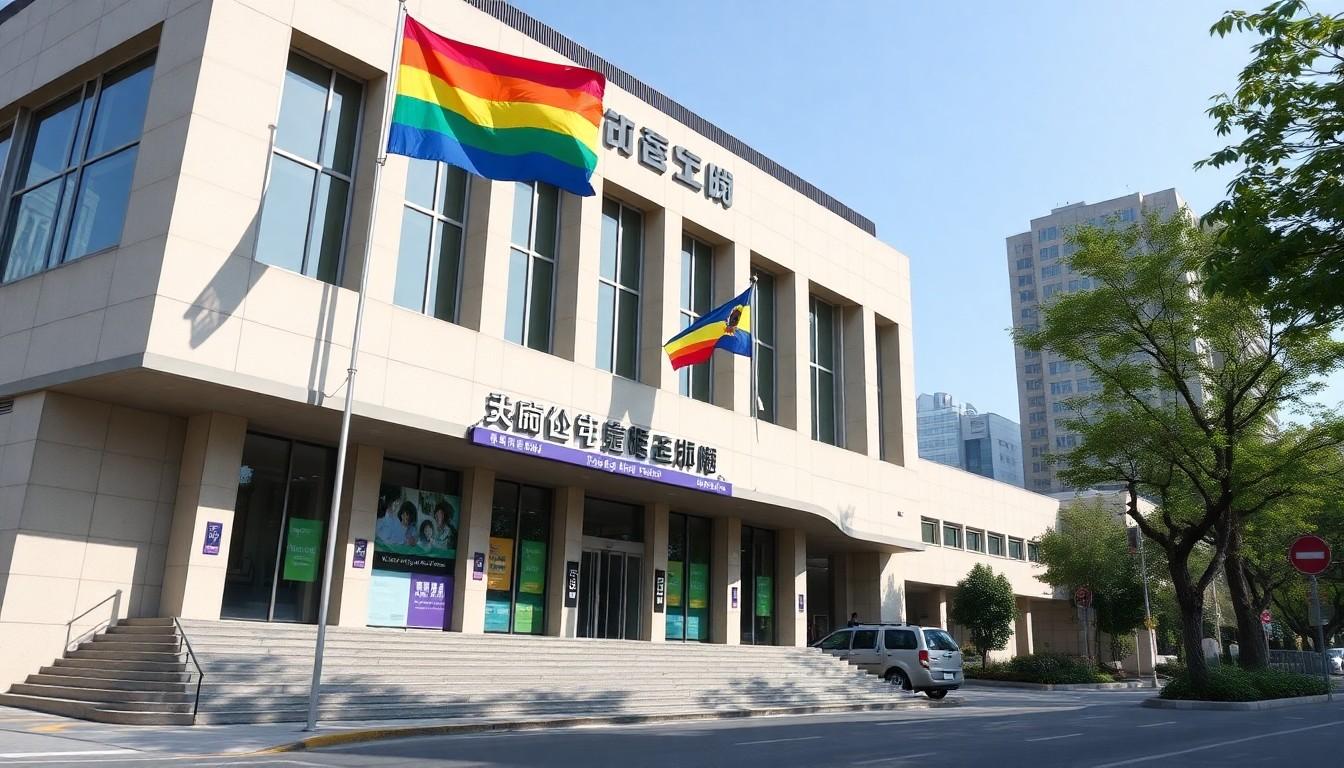
Voters across Taiwan are getting a clearer way to examine gender equality promises before the next local elections. The Pride Watch platform has attracted 191 candidates, allowing people to review questionnaires, policy pledges and past records in one place. It matters because local decisions often shape the everyday realities of families, workers and LGBTQ+ communities.
Essential Takeaways
- 191 candidates have signed up: They’re contesting positions in Taiwan’s upcoming local elections.
- Questionnaires add detail: Candidates explain their views on gender equality and related policies.
- Voters can check the record: The platform accepts information about candidates’ previous public statements.
- The audience is sizeable: Pride Watch has drawn more than 100,000 views during each election cycle since 2018.
- Local politics has real reach: The elections will fill 11,051 posts across Taiwan’s cities, counties and townships.
A sharper way to compare candidates
The strongest feature of Pride Watch is its attempt to turn broad campaign language into something voters can inspect. Candidates who register complete a questionnaire on gender equality, while the platform also gives them space to outline pledges and previous council work.
That makes the site more useful than a simple roll call of supporters. A candidate can say they back equality, but voters can also look for the practical detail: which policies they’ve proposed, what they’ve raised in council and whether their priorities extend beyond campaign season. Pride Watch’s participation and registration pages set out this approach, according to the campaign platform.
For voters searching for Taiwan election gender equality candidates, that distinction matters. It’s the difference between a slogan and a track record.
Pride Watch has history behind it
The platform first appeared in 2018 and has reportedly attracted more than 100,000 views in every election cycle since then. In the 2022 local elections, 245 candidates registered, with 87 later elected as local councillors.
Those elected officials subsequently introduced at least 233 gender-related proposals and 104 interpellations over the following four years, figures that suggest online declarations can lead to measurable scrutiny after polling day. Pride Watch’s public-facing site presents itself as a resource for following candidates and their policy positions.
That follow-through is important. Election websites can easily become digital noticeboards, but their real value comes when voters return to them after the ballots are counted.
Why local government is the crucial battleground
Taiwan’s coming local elections are unusually broad. Often called the “9-in-1” elections, they cover 22 cities and counties and nine categories of local office, from mayors and county magistrates to councillors, township chiefs and ward chiefs.
In total, 11,051 officials are being elected. That may sound like a number designed to make even seasoned political watchers reach for a cup of tea, but it underlines how much power sits below national government. Local authorities influence services, education, public spaces and community support, all of which can affect equality in tangible ways.
So a voter assessing a candidate shouldn’t only ask whether they support the principle. It’s worth asking what they could actually change locally, how they’d fund it and whether they’ve shown the patience to carry it through.
Look beyond the candidates’ own answers
Pride Watch also allows voters to submit records of candidates’ past statements on gender equality. That second layer is particularly valuable, because self-reported positions naturally present people in the best possible light.
A sensible approach is to compare three things: the questionnaire, the candidate’s published promises and their previous public comments or council activity. If those pieces line up, the picture is stronger. If they don’t, voters have a useful reason to dig deeper.
The campaign’s candidate pages provide examples of how individual profiles can be displayed, while the platform’s participation information invites public involvement rather than treating voters as passive readers. In practical terms, it’s a reminder to keep a cool head and check the evidence.
A growing expectation of accountability
The latest registration total is lower than the 2022 figure, but it still represents a substantial group of candidates choosing to make their positions visible. That visibility can raise the political cost of vague promises, especially when a public platform keeps the information accessible.
The wider lesson is that equality is increasingly being treated as a matter of governance, not just identity or social debate. For many people, it touches transport, schools, workplaces, healthcare access and the safety of public life. The quiet, useful work happens when voters turn those concerns into specific questions.
With the election approaching, Pride Watch gives them a convenient place to start. It won’t replace judgement, but it can make that judgement better informed.
A clearer record can make every local vote count for more.
Source Reference Map
Story idea inspired by: [1]
Sources by paragraph: