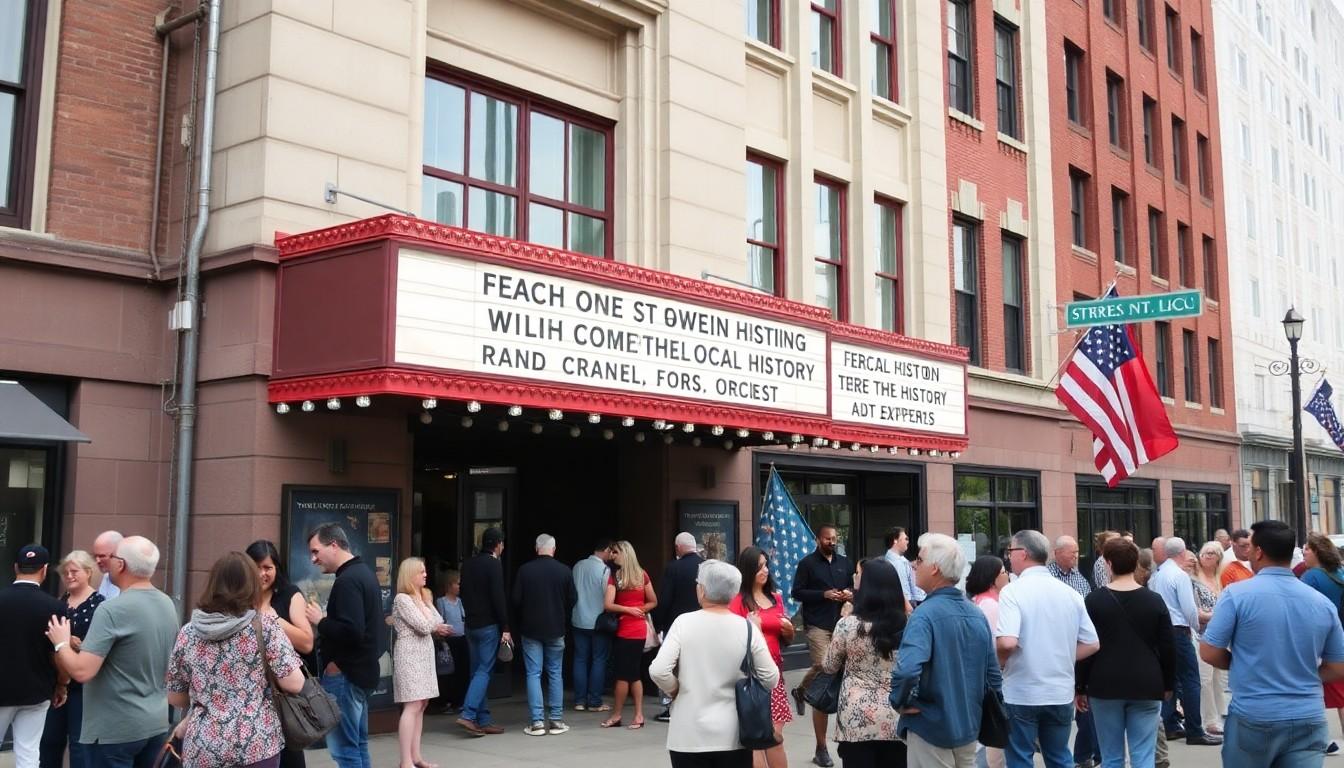
Visitors gathered in St Louis for the sixth History Happy Hour, celebrating the writers, broadcasters, photographers and publishers who recorded LGBTQ life when mainstream media rarely did. The event also highlighted why local archives still matter: they preserve personal stories, everyday courage and a sense of belonging for people who might otherwise disappear from the historical record.
Essential Takeaways
- Community media filled a gap: Local magazines, newsletters and radio programmes gave LGBTQ people visibility when larger outlets often overlooked them.
- Archives make memories usable: The St Louis LGBT History Project collects publications, photographs, oral histories and other material for future researchers.
- Radio offered private connection: Broadcasts could reach listeners discreetly, including people living in unsupportive homes.
- The work remains unfinished: Newer outlets still document local events, organisations and voices that might not appear elsewhere.
- Storytelling can feel personal: The evening was as much about recognition and belonging as it was about formal history.
A night built around stories that nearly vanished
The strongest feeling at History Happy Hour was not nostalgia alone. It was relief, recognition and the quiet thrill of seeing a community's scattered memories gathered in one room.
Hosted at Just John on 26 October, the event brought together people connected to decades of LGBTQ journalism and broadcasting in the St Louis region. According to Out in STL, the evening benefited the St Louis LGBT History Project and centred on the people who helped record local life as it happened.
That work mattered because mainstream coverage was often limited, stereotyped or missing altogether. Community publications created their own record, from political arguments and cultural events to ordinary moments of friendship, protest and celebration.
Why local LGBTQ media became so important
For many readers, a magazine or newsletter was more than something to browse with a coffee. It could be a practical guide, a source of language and a reassuring sign that other people were living nearby.
Speakers connected with titles including Moonstorm, Lesbian and Gay News Telegraph, SLAM Magazine, Pride Pages and Vital Voice reflected on that role. The St Louis LGBT History Project's own material shows how preserving these records helps place local LGBTQ experiences within the wider story of the city.
The publications did not all sound alike, and that was part of their strength. Some were campaigning, some playful, some polished and some gloriously argumentative. Together, they captured a community in motion rather than presenting a tidy version of the past.
Radio gave isolated listeners a private lifeline
The evening's reflections on radio were especially vivid. A printed publication had to be bought, borrowed or found, while a radio programme could reach someone quietly through headphones in a bedroom.
That privacy could be transformative for listeners in hostile or uncertain family environments. Charles Koehler, associated with Lambda Reports, described radio's ability to offer information and affirmation without forcing someone to reveal themselves before they were ready.
Earlier broadcasts such as The Gay '90s Radio Show also made visibility feel immediate. According to the event account, presenters understood that speaking openly on air carried personal risk, but it also told listeners that LGBTQ people were present, articulate and part of the city's public life.
From printed pages to digital archives
Today's community media landscape looks very different, but the basic responsibility hasn't changed. Colin Lovett of Boom LGBT spoke about the need to show up and tell stories that might otherwise go undocumented, while current Out in STL publisher Chris Andoe acknowledged the influence of earlier generations.
The shift from print and radio to websites and social platforms has made publishing faster, but it hasn't made preservation automatic. Digital posts can vanish, links can break and social feeds rarely provide the context that future researchers need.
That is why archives, libraries and specialist history projects remain so valuable. St Louis Public Library programming around queer storytelling, for example, reflects the continuing appetite for local voices, while the St Louis LGBT History Project provides a dedicated home for historical material.
How to help preserve LGBTQ history now
The simplest step is to treat everyday material as worth saving. Old newsletters, flyers, photographs, event programmes, recordings and personal correspondence can all help explain how a community lived and organised.
If you've got material in a loft or filing cabinet, keep it dry, identify the people and places shown, and write down dates while you still remember them. Don't assume a faded flyer is unimportant. Future researchers may find more historical value in an ordinary event notice than in a polished retrospective.
Museums and libraries also offer a useful route for people who aren't sure what to do next. Missouri institutions have increasingly presented LGBTQ history through exhibitions and public programmes, showing how local collections can broaden the picture of the past.
The next chapter depends on people showing up
The message from the evening was encouraging but clear-eyed. Progress can be visible, yet opposition and erasure haven't disappeared, so community storytelling still has a protective role.
It also has an emotional one. A well-kept archive tells people that their lives were not disposable, their gatherings were not insignificant and their voices were heard by someone, somewhere.
History Happy Hour offered a warm reminder that preserving LGBTQ history isn't only the job of archivists. It's a shared habit, built from photographs, broadcasts, articles and memories that someone decides are worth keeping.
Keep the stories safe, because the future will need them.
Source Reference Map
Story idea inspired by: [1]
Sources by paragraph: