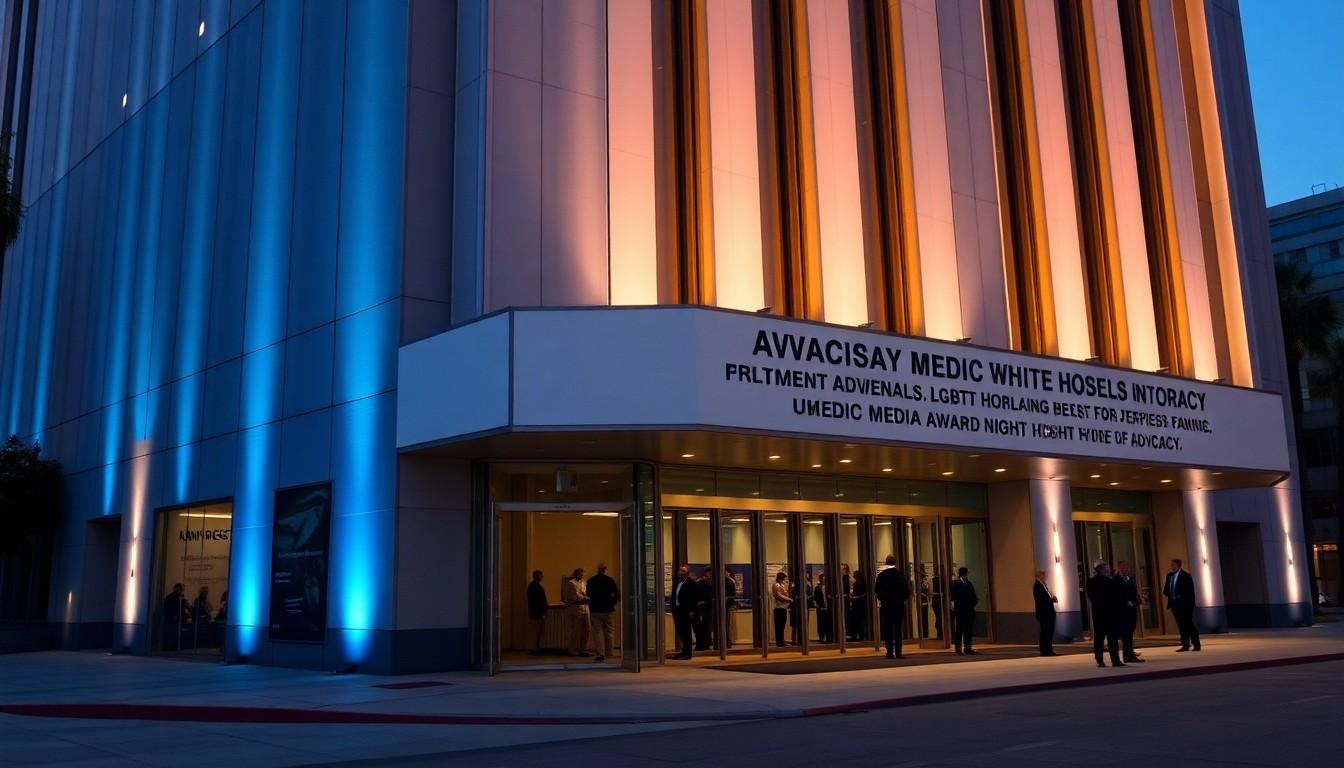
Oprah Winfrey used the 35th GLAAD Media Awards in Los Angeles to remember her brother Jeffrey, who died of AIDS aged 29, and reflect on the shame and silence surrounding gay life in earlier decades. Her emotional Vanguard Award speech connected personal grief with decades of LGBTQ advocacy and media visibility.
Essential Takeaways
- A personal tribute: Winfrey publicly remembered her brother Jeffrey, who died of AIDS 35 years ago.
- A historic setting: She accepted GLAAD’s Vanguard Award at the organisation’s 35th annual ceremony in Los Angeles.
- A wider message: Her speech highlighted how language, visibility and acceptance around LGBTQ lives have changed.
- A long record of advocacy: The Oprah Winfrey Show regularly brought LGBTQ issues into living rooms over its 25-year run.
- A moment of reflection: Winfrey said she wished her brother could have witnessed today’s more liberated times.
Oprah turns a celebratory night into a family remembrance
The room was celebrating an award, but Oprah Winfrey made the moment deeply personal. While accepting GLAAD’s Vanguard Award in Los Angeles, she spoke publicly about her brother Jeffrey, who died of AIDS at just 29. The memory gave the evening a quiet emotional weight that went far beyond the usual red-carpet sparkle. According to The Oprah Daily, her remarks marked the first time she had shared this part of her story so openly in that setting. [3]
Winfrey recalled growing up in a period when many families lacked the vocabulary to talk about sexuality and gender with openness. That absence of language, she suggested, helped create the shame her brother carried. It was a striking reminder that stigma wasn't only found in headlines or public debates; it could settle quietly inside families, too. [5]
Why Jeffrey's story still matters
The most affecting part of Winfrey's speech was its sense of missed time. She said she wished Jeffrey had lived long enough to see the more liberated era that followed, a line that held both sorrow and hope. It also reflected how much public conversations around LGBTQ identity, HIV and AIDS have changed since his death. [4]
GLAAD's HIV education and resource material places that change in a broader context, emphasising the importance of accurate information, compassion and access to support. The organisation's work matters because remembrance alone can't undo stigma. Better language and reliable education can help prevent the fear and misinformation that shaped so many lives during the AIDS crisis. [2]
A Vanguard Award backed by decades of visibility
The Vanguard Award recognises allies who have advanced acceptance of LGBTQ people and issues. Winfrey's selection was closely tied to the influence of The Oprah Winfrey Show, which ran for 25 years and frequently brought LGBTQ experiences into mainstream homes. That kind of exposure wasn't always comfortable television, but it helped make conversations that once felt hidden much harder to ignore. [6]
Her influence also came from the format itself. Viewers weren't simply handed a slogan; they heard people discuss families, relationships, discrimination and identity in their own voices. As The Advocate and other coverage of the ceremony noted, the award recognised a sustained contribution rather than a single public gesture. [7]
The ceremony celebrated more than one ally
Winfrey wasn't the only prominent figure honoured at the 35th GLAAD Media Awards. Coverage from TheGrio also highlighted Niecy Nash-Betts, whose public support for LGBTQ people and family advocacy has made her a visible ally. Together, the honours reflected the different ways public figures can use their platforms, whether through entertainment, storytelling or personal testimony. [4]
The event also recognised a range of LGBTQ-focused entertainment and media work. Winners included projects and performers celebrated for bringing queer lives into popular culture, showing that representation now stretches across scripted drama, reality television and documentary storytelling. That variety is important, because no single story can represent a whole community. [7]
From silence to language, the work continues
Winfrey's speech landed because it linked a private family loss to a public cultural shift. Today, conversations about HIV treatment, prevention and LGBTQ identity are more informed than they were decades ago, but stigma hasn't disappeared. GLAAD's resource hub continues to offer education and signposting, underlining why clear, accessible information remains essential. [2]
There's also something recognisable in Winfrey's regret: wishing an older relative could see how far the world has moved. Her tribute was painful, but it wasn't hopeless. By naming her brother and acknowledging the silence around him, she helped turn a private memory into a call for greater understanding. [3]
The award may have been presented on a glittering stage, but its most lasting message was simple: visibility can save lives, and compassion can change what comes next.
Source Reference Map
Story idea inspired by: [1]
Sources by paragraph: