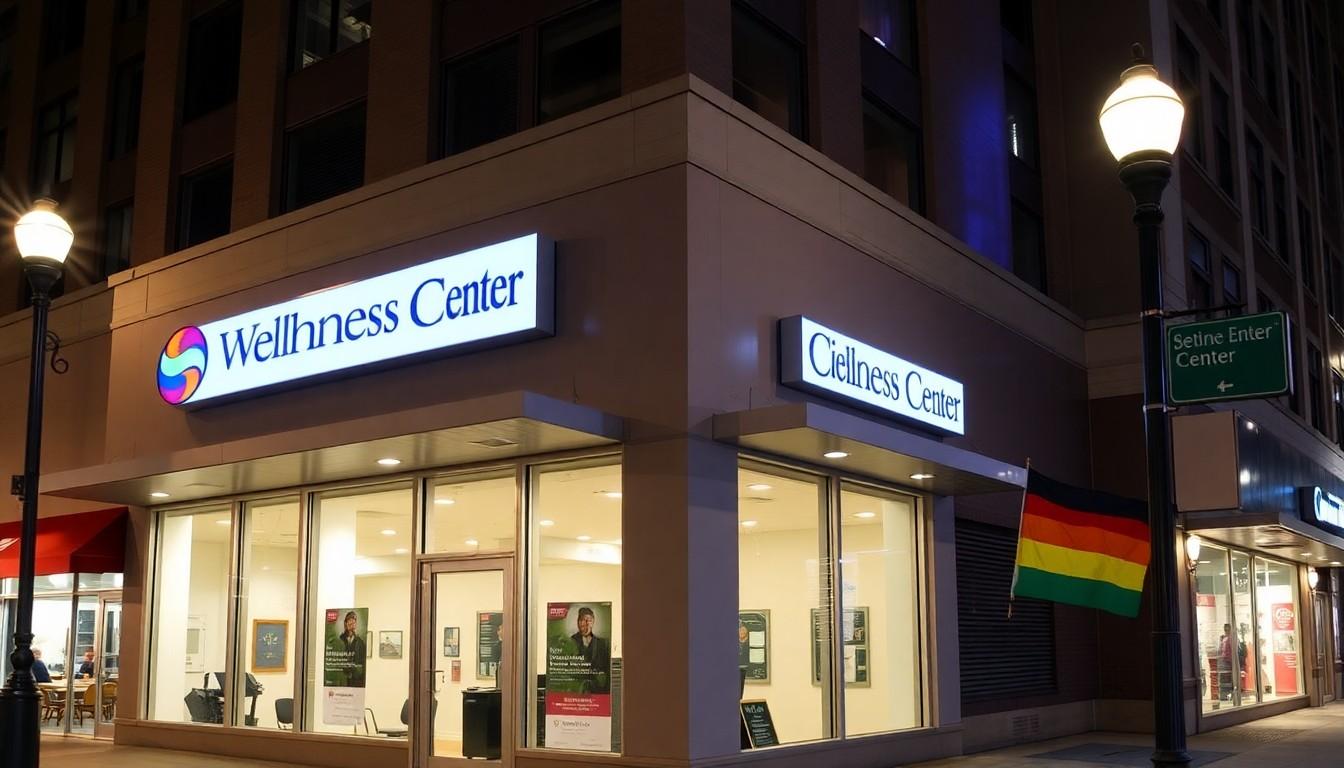
Residents and visitors to Washington, DC's busy U Street corridor will soon have easier access to free and reduced-cost HIV and STI testing, treatment and prevention. The new AHF wellness centre opens on 17 November, bringing walk-in sexual-health support closer to nightlife, LGBTQ+ venues and people who may find daytime healthcare harder to reach.
Essential Takeaways
- Opening date: The U Street Wellness Center is due to open to the public on 17 November.
- Planned hours: It expects to operate Tuesday to Saturday, from 11am to 7pm.
- Available support: Services are set to include HIV and STI testing, treatment, PrEP, condoms, counselling and prevention advice.
- Convenient location: The centre at 1115 U Street NW will be AHF's third Washington, DC facility.
- Other options: DC Health and Wellness Center and Whitman-Walker Health also offer sexual-health services, with appointment and eligibility details varying.
A new sexual-health resource arrives on U Street
The strongest selling point is simple: sexual-health care is moving into one of Washington's liveliest evening neighbourhoods. The new U Street Wellness Center is designed to offer HIV and STI testing, treatment and prevention support without the formality that can make a clinic visit feel daunting. AHF's existing wellness-centre model includes walk-in services, counselling and links to ongoing care, according to the organisation.
The facility's location at 1115 U Street NW puts it close to the area's restaurants, music venues and LGBTQ+ nightlife. The Washington Blade reported that at least six LGBTQ+ bars are within walking distance, making the centre a practical option for people who want accessible care near the places they already spend time. [2], [4]
AHF held a ribbon-cutting ahead of the public opening, with local officials and community representatives attending. The broader message is that testing works best when it feels visible, straightforward and part of everyday life, rather than something people have to plan around for weeks. [2], [4]
What the U Street clinic plans to offer
The centre is expected to provide testing and treatment for HIV, gonorrhoea, syphilis and chlamydia. Visitors should also be able to ask about PrEP, other HIV medicines, condoms and prevention education, with many services offered free or at reduced cost. A nonprofit pharmacy service is also planned. [1], [4]
That mix matters because a test is only the first step. People may need medication, follow-up advice or a referral, and having those routes available in one place can make care less fragmented. AHF says its wellness centres combine testing, prevention tools such as PrEP and PEP, counselling and connections to treatment. [3], [4]
The planned hours, from 11am to 7pm Tuesday through Saturday, could suit shift workers, students and nightlife staff particularly well. Still, visitors should check the latest opening information before travelling, as new clinics can adjust schedules during their first weeks. [1], [4]
Why the location could make a difference
U Street is already a major social and cultural hub, so placing a clinic there is more than a property decision. It's an attempt to put routine healthcare where people are already gathering, particularly in a corridor with a strong LGBTQ+ presence and a busy evening economy. That can help remove the awkwardness of travelling across town for a service that many people prefer to access discreetly. [2]
The new centre will join AHF's Washington, DC facilities on K Street and Capitol Hill. Together, the locations give residents more choice, although opening hours, appointment arrangements and individual services may differ between sites. [1], [2]
AHF has described a large international network, but the organisation's published figures vary between its global pages and announcements. One recent milestone announcement referred to more than 3 million people in care, while another organisational page gives a different total and geographic count. The useful takeaway for local visitors is less about the headline number and more about what the nearby centre actually provides. [3], [4], [7]
How it fits into Washington's existing care network
The new clinic won't be the only place to seek testing in the capital. DC Health runs the DC Health and Wellness Center at 77 P Street NE, while Whitman-Walker Health offers routine sexual-health testing through its community testing services. Availability, booking requirements and eligibility can vary, so checking ahead is sensible. [5], [6]
For anyone comparing options, convenience is often the deciding factor. A walk-in centre may suit someone who wants a quick visit, while an appointment-based service can be preferable for people who need a particular clinician, follow-up plan or additional support. Free doesn't necessarily mean identical, so ask about wait times, confidentiality, treatment and what happens after a result. [5], [6]
The District's latest surveillance reporting recorded 192 new HIV cases, the first time the annual total had dropped below 200 since the 1990s. That is a citywide figure, not a measure of U Street specifically, but it underlines why accessible testing and prevention remain important even as some indicators improve. [1]
A practical guide before you visit
If you're considering the U Street Wellness Center, take a few minutes to check its current hours and whether the service you need is available as a walk-in. Bring identification or insurance details if you have them, but don't assume a lack of insurance rules you out, as the centre is intended to offer free or reduced-cost support. [1], [4]
It can also help to write down any symptoms, recent exposures, medicines or questions about PrEP before you arrive. If you're worried about a possible recent HIV exposure, ask promptly about PEP, since timing matters. And if you're visiting for routine screening, remember that testing remains useful even when you feel perfectly well.
The opening gives DC another doorway into sexual-health care, close to the rhythm of U Street rather than hidden away from it. For many people, that kind of low-friction access could be the difference between thinking about a test and actually getting one. [2], [4]
A more convenient clinic can make safer sexual health feel like an ordinary part of city life.
Source Reference Map
Story idea inspired by: [1]
Sources by paragraph:
- Paragraph 1: [3], [4]
- Paragraph 2: [2], [4]
- Paragraph 3: [2], [4]
- Paragraph 4: [1], [4]
- Paragraph 5: [3], [4]
- Paragraph 6: [1], [4]
- Paragraph 7: [2]
- Paragraph 8: [1], [2]
- Paragraph 9: [3], [4], [7]
- Paragraph 10: [5], [6]
- Paragraph 11: [5], [6]
- Paragraph 12: [1]
- Paragraph 13: [1], [4]
- Paragraph 14: [1], [4]
- Paragraph 15: [2], [4]