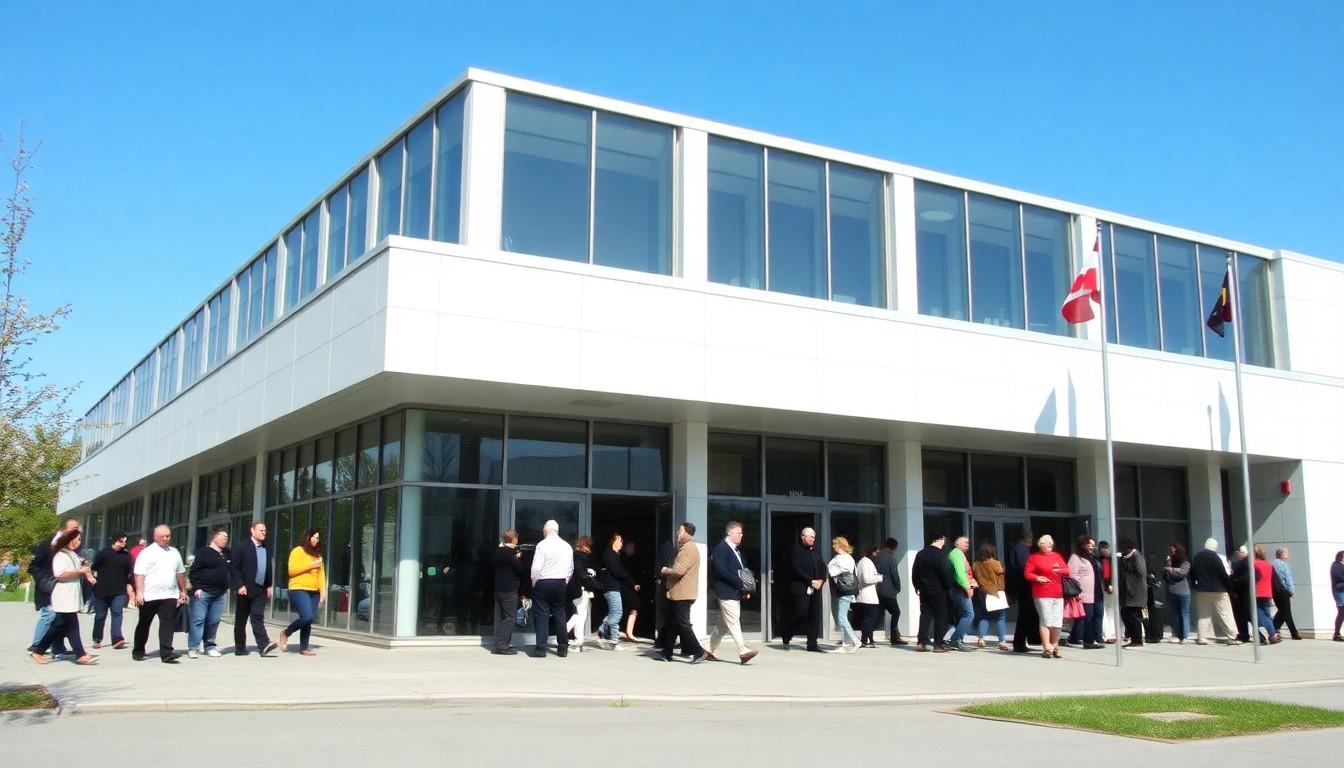
Editors, activists and historians gathered in Montreal for Queering Wiki 2026, the first fully in-person LGBTQ+ Wikipedia conference. With more than 150 attendees from at least 30 countries, the event highlighted how volunteers are challenging censorship, filling language gaps and making queer history harder to erase.
Essential Takeaways
- A landmark gathering: Queering Wiki 2026 brought LGBTQ+ Wikimedia contributors together in person after years of online events.
- A global effort: Attendees represented at least 30 countries and worked across languages, regions and Wikimedia projects.
- More than editing: Contributors write articles, improve metadata, upload images, train newcomers and develop tools.
- Access matters: Scholarships and self-funded registration helped widen participation in the conference.
- The work continues: Organisers are planning another in-person event for 2027 and seeking stronger institutional support.
A Wikipedia conference with a distinctly queer pulse
The strongest message from Montreal was simple: queer history needs people willing to record it. In October, more than 150 editors, organisers and supporters gathered for Queering Wiki 2026, turning years of online collaboration into a lively face-to-face meeting.
The event was organised by Wikimedia LGBT+, a group focused on improving LGBTQ+ representation across Wikipedia and related projects. Conference plans included speaker submissions, community challenges, registration information and financial assistance, according to Wikimedia's event pages.
That practical structure matters because Wikipedia is often where people first encounter unfamiliar LGBTQ+ names, movements and histories. A missing article or poorly sourced page may look like a small gap, but for someone searching in a minority language, it can mean there is no public record at all.
Why queer editors are filling the gaps
Wikipedia's open editing model is both its strength and its vulnerability. Volunteers can create material quickly, but articles can also be distorted, neglected or targeted by organised opponents of LGBTQ+ rights.
That makes the work feel less like routine housekeeping and more like digital preservation. Editors are not simply adding facts to a website; they're deciding which people, communities and events remain visible when public conversations become hostile.
The conference's programme was designed to bring those experiences together, with speakers and sessions focused on LGBTQ+ knowledge, Wikimedia communities and the challenges of documenting queer life online. It was a welcome reminder that information doesn't become neutral merely because it appears on a screen.
From metadata to mother tongues
The Wikimedia world is much broader than article writing. Some contributors improve the descriptive information attached to photographs and other files, while others upload images, create software, organise projects or help new editors find their feet.
Language is especially important. LGBTQ+ information can be plentiful in English but scarce in Assamese, Spanish, Turkish or other languages. Creating reliable resources in those languages gives readers a chance to learn about queer identity and history without relying on translation, imported assumptions or a search engine's often patchy results.
The conference's open call for speakers and related community challenge show how organisers are trying to make participation more collaborative. The goal isn't just to produce more pages, but to build a stronger network of people who can spot omissions and improve the record together.
Montreal made the gathering feel real
This conference had been a long time coming. An earlier in-person event planned for Austria was cancelled during the Covid-19 pandemic, while later gatherings moved online or took place as smaller meet-ups.
Montreal offered a fitting setting for the first full event. The city has a visible LGBTQ+ cultural life, and Wikimedia Canada helped provide local support. After years of meeting through screens, attendees could finally exchange stories, snacks and stickers in the same room, which sounds small until you've spent years volunteering largely alone.
Wikimedia's scholarship programme and self-funded registration route also reflected a practical reality: international participation can be expensive. Making room for different financial circumstances is essential if a global LGBTQ+ knowledge project is to avoid becoming shaped mainly by those who can afford to travel.
What comes next for LGBTQ+ Wikipedia projects?
Organisers are already looking towards a second in-person conference in 2027, although its location has yet to be confirmed. Wikimedia LGBT+ is also pursuing formal nonprofit status, a move that could make it easier to seek grants and build longer-term programmes.
That next stage could support training, outreach and better communication across communities that are often separated by geography or language. It may also help protect projects that depend on a small number of passionate volunteers, many of whom already balance editing with teaching, advocacy or full-time work.
For now, the lasting achievement is visibility. A queer editor working quietly on a page in one language may feel isolated, but Montreal showed that thousands of such efforts form something much larger: a living, global archive that refuses to let LGBTQ+ stories disappear.
Small edits can become a powerful act of remembrance.
Source Reference Map
Story idea inspired by: [1]
Sources by paragraph:
- Paragraph 1: [2], [4]
- Paragraph 2: [3], [7]
- Paragraph 3: [6], [7]
- Paragraph 4: [2], [3]
- Paragraph 5: [2], [6]
- Paragraph 6: [2], [3]
- Paragraph 7: [2], [6]
- Paragraph 8: [3], [5]
- Paragraph 9: [2], [4]
- Paragraph 10: [4], [5]
- Paragraph 11: [2], [7]
- Paragraph 12: [2], [5]
- Paragraph 13: [2], [6]
- Paragraph 14: [2], [3]