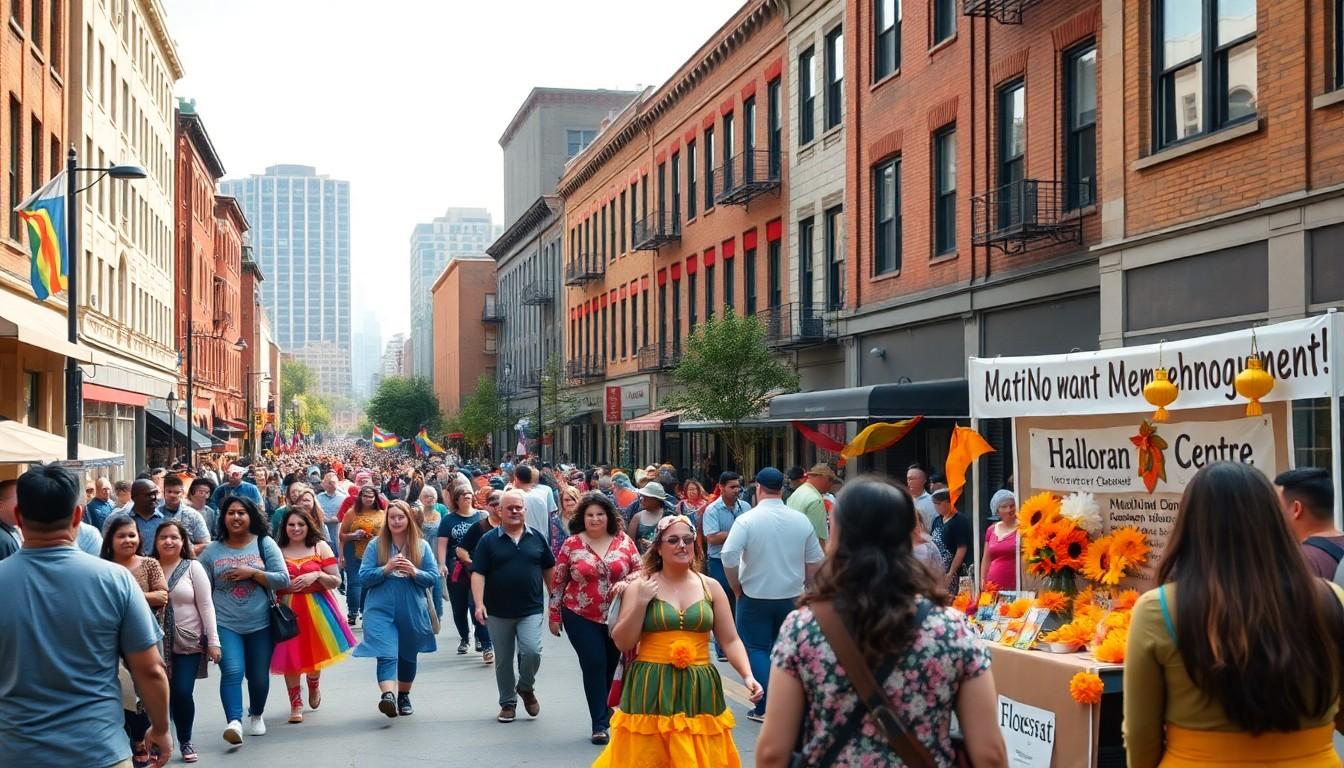
Memphis’s Día de Muertos celebrations offer more than colourful parades and candlelit altars. They create space to honour loved ones, chosen family, pets and LGBTQ+ community members whose lives still shape the city, while connecting October’s Mexican tradition with November’s transgender remembrance observances.
Essential Takeaways
- A living tradition: Día de Muertos centres on ofrendas, or altars, made with photographs, flowers, candles, food and meaningful belongings.
- Memphis brings people together: The city’s annual parade and festival combine music, dance, visual art and community remembrance downtown.
- Chosen family matters: Friends, mentors, partners and community elders can hold the same emotional importance as relatives.
- Trans lives deserve full remembrance: Memorials should recognise people’s hopes, relationships and achievements, not only the violence that ended their lives.
- Action keeps memory alive: Supporting LGBTQ+ organisations turns remembrance into practical care throughout the year.
Why Memphis’s Día de Muertos feels so personal
There’s a particular tenderness in placing a photograph on an altar. Add a candle, a spray of marigolds or a favourite snack, and suddenly remembrance feels less like an abstract idea and more like someone has stepped back into the room.
That emotional pull is central to Día de Muertos, observed chiefly on 1 and 2 November. The tradition invites families and communities to welcome the memory of people who have died through food, music, photographs and personal objects. It’s colourful, intimate and deliberately alive.
Memphis’s annual Día de Muertos Parade and Festival brings that spirit into a public setting. The event is presented by Cazateatro Bilingual Theatre Group with Memphis Art Museum and the Orpheum Theatre Group, with programming that includes a parade, performances, art and community altars. Event information from the Memphis Brooks Museum and Memphis Art Museum highlights the festival’s role as a cultural gathering in the city. [2], [3]
An altar can include chosen family too
For LGBTQ+ people, family isn’t always limited to relatives. It can be the friend who offered a spare room, the mentor who helped someone find confidence or the familiar face behind a bar who made a difficult night feel safer.
That’s why an ofrenda can become a powerful record of chosen family. A handwritten note, a favourite drink, a collar or a small keepsake may look modest, but it can hold an entire relationship. Even a much-loved pet can deserve a place, because grief has never depended on having two legs.
The festival’s community focus makes room for those layered forms of belonging. Memphis Travel describes the event as a celebration of Mexican and Latin American culture featuring art, music and public participation, rather than a private family ritual alone. [5]
There’s also a useful reminder here: respectful participation starts with listening. Visitors can learn about the tradition, support the artists and organisers involved, and avoid treating sacred or personal symbols as simple seasonal decoration.
From celebration to transgender remembrance
Día de Muertos and Transgender Day of Remembrance are separate observances, with different histories and purposes. Still, both raise an important question: who gets remembered, and who gets written out of the story?
Memorials for transgender people often appear after violence, with names, photographs and candles providing a public act of dignity. But a person’s life should never be reduced to the circumstances of their death. Their friendships, work, humour, ambitions and everyday joys matter too.
That wider perspective is especially important when remembering Black and Brown transgender women, whose lives are too often discussed only through statistics or court reports. A fuller memorial asks readers and communities to see the whole person, not just the headline.
It also shifts remembrance towards responsibility. Visibility, safety and support shouldn’t arrive only after tragedy; they need to be part of ordinary community life.
How to make a meaningful ofrenda at home
You don’t need a grand display to remember someone thoughtfully. Begin with a photograph or object that says something genuine about the person, then add a candle, flowers, food or a written memory if it feels appropriate.
The details are often the most moving. A battered dog toy, a recipe card, a theatre programme or a favourite lipstick can tell a more vivid story than a formal biography. Your nose, after all, may remember a person through their cooking long before your mind reaches for the right words.
If you’re honouring someone outside your own cultural tradition, take time to understand the practice and keep the focus on respect rather than aesthetics. A personal altar should feel like remembrance, not a themed display.
And remember that digital memory counts too. Scanning photographs, recording family stories or creating a private archive can help preserve LGBTQ+ histories that official records have overlooked.
Turning remembrance into year-round care
A memorial can be beautiful, but support after the candles go out matters just as much. Organisations such as OUTMemphis provide LGBTQ+ programmes, health services, housing assistance, peer support and resources for transgender people and their families, according to the organisation’s website. [6]
Community-led groups also show how remembrance can become practical action. Tri-State Black Pride’s work centres Black LGBTQ+ visibility, connection and advocacy, offering another route for people who want to support communities rather than simply observe them. [7]
That might mean donating, volunteering, attending an event, sharing a local artist’s work or checking in with someone who’s isolated. Small gestures rarely look dramatic, but they’re often what makes a community feel dependable.
Memphis’s Día de Muertos events offer a gentle but firm lesson: memory isn’t only something we inherit. It’s something we actively protect, pass on and make room for.
Remember the names, tell the stories and care for the people still here.
Source Reference Map
Story idea inspired by: [1]
Sources by paragraph: