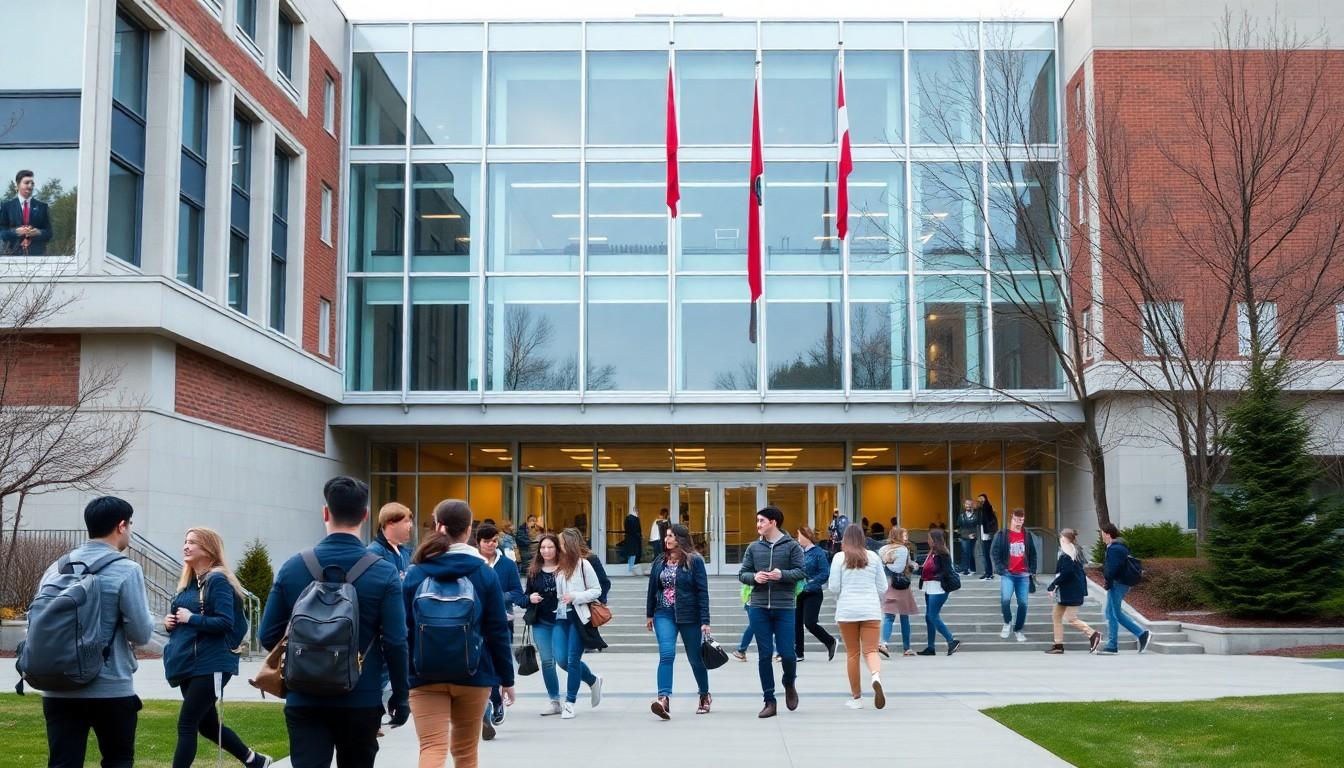
Students and allies across the US still observe the Day of Silence each April, using a quiet but striking protest to highlight LGBTQ+ bullying and discrimination. What began with a small group at the University of Virginia in 1996 has grown into a nationwide tradition, while its continuing relevance raises an uncomfortable question: why is this action still needed?
Essential Takeaways
- A quiet beginning: The first Day of Silence took place at the University of Virginia in 1996.
- A grassroots expansion: Organisers reached more than 100 colleges and universities within a year.
- A wider audience: The action later spread to high schools and middle schools.
- Student-led by design: Participants use silence to represent the discrimination and exclusion LGBTQ+ young people can face.
- A complicated anniversary: Its endurance is encouraging, but activists say rising anti-trans hostility shows the underlying problem hasn't disappeared.
One campus, one powerful idea
A day without speaking can feel almost ordinary until you're surrounded by people who know exactly why you're doing it. That contrast helped make the Day of Silence so visible at the University of Virginia, where the first event took place in 1996.
The idea came from Maria Pulzetti, then a first-year student involved with the university's LGBTQ+ group. Inspired by the non-violent direct action associated with civil rights organiser Julian Bond and the Student Nonviolent Coordinating Committee, she developed a protest that relied on presence rather than confrontation.
According to accounts collected by INTO and UVA Magazine, the action was designed to draw attention to the silence imposed on LGBTQ+ people through bullying, prejudice and social pressure. It was simple, accessible and striking - qualities that are often more useful to student organisers than a complicated campaign plan. [5], [7]
How the Day of Silence travelled beyond UVA
Jesse Gilliam took part in that first event and quickly saw its potential beyond the university grounds. After approaching Pulzetti, he helped build a website, contact other campuses and spread the idea through emails, phone calls, conferences and personal networks.
That may sound modest now, when a campaign can reach thousands of people with a single post. In the mid-1990s, though, expanding a student movement meant long-distance calls, printed information and plenty of patient follow-up. The work paid off: more than 100 colleges and universities took part in 1997, according to historical accounts of the movement. [2], [5]
The growth mattered for more than numbers. Participants discovered they weren't isolated groups attempting the same thing alone. A shared annual action gave students a common language, a sense of solidarity and a visible way to support LGBTQ+ rights without needing to organise a large demonstration.
Why schools became central to the campaign
The movement's next major step was its transition from higher education into schools. As Gilliam and Pulzetti prepared to leave university, the Day of Silence needed an organisation that could maintain its reach while keeping young people at the centre.
That role was taken on by GLSEN, now known as Glisten, which saw clear links with the growing Gay-Straight Alliance movement. The Day of Silence offered school groups a practical way to create visibility, invite conversation and show support for LGBTQ+ classmates.
School districts and education organisations continue to describe the action as a student-focused opportunity to address bullying and build more welcoming communities. The event's format can be adapted to local circumstances, but its central message remains consistent: silence can be used to make discrimination impossible to ignore. [3], [4]
A tradition with an uncomfortable edge
Thirty years on, the Day of Silence is both a success story and a reminder of unfinished work. Its survival suggests that students still find value in a protest that is peaceful, flexible and easy to join. But its continued relevance also reflects the persistence of anti-LGBTQ+ harassment and political hostility.
For Gilliam, that tension is especially personal. His involvement in the movement began before he came out as a trans man, and the activism introduced him to people and conversations that helped him better understand his own identity.
That reflective side of the Day of Silence is easy to miss when it is treated simply as an annual school event. Historical coverage of the campaign shows that participation can be outward-facing and deeply personal at the same time: students may be supporting friends, challenging bullying or quietly working out who they are. [4], [5]
What students can learn from a quiet protest
The action's strength is its low barrier to entry. Students don't need specialist training, expensive equipment or a large organisation behind them. They need a clear purpose, a safe plan and adults who understand that participation should be voluntary and respectful.
Schools considering the event can support it by explaining its meaning in advance, offering alternative ways to participate and making sure students have access to trusted staff or support services. That matters particularly for young people who may not feel safe speaking publicly about their sexuality or gender.
The wider lesson is perhaps the most enduring one. A protest doesn't have to be loud to be visible, and a student-led idea doesn't have to begin with national backing to travel far. Sometimes a quiet action gives people enough room to find their voice.
It's a small, silent gesture that continues to make a very public point.
Source Reference Map
Story idea inspired by: [1]
Sources by paragraph:
- Paragraph 1: [2], [3]
- Paragraph 2: [5], [7]
- Paragraph 3: [5], [6]
- Paragraph 4: [2], [5]
- Paragraph 5: [2], [6]
- Paragraph 6: [3], [4]
- Paragraph 7: [3], [4]
- Paragraph 8: [4], [5]
- Paragraph 9: [5], [7]
- Paragraph 10: [3], [4]
- Paragraph 11: [2], [6]
- Paragraph 12: [3], [4]
- Paragraph 13: [4], [5]
- Paragraph 14: [3], [6]
- Paragraph 15: [2], [5]