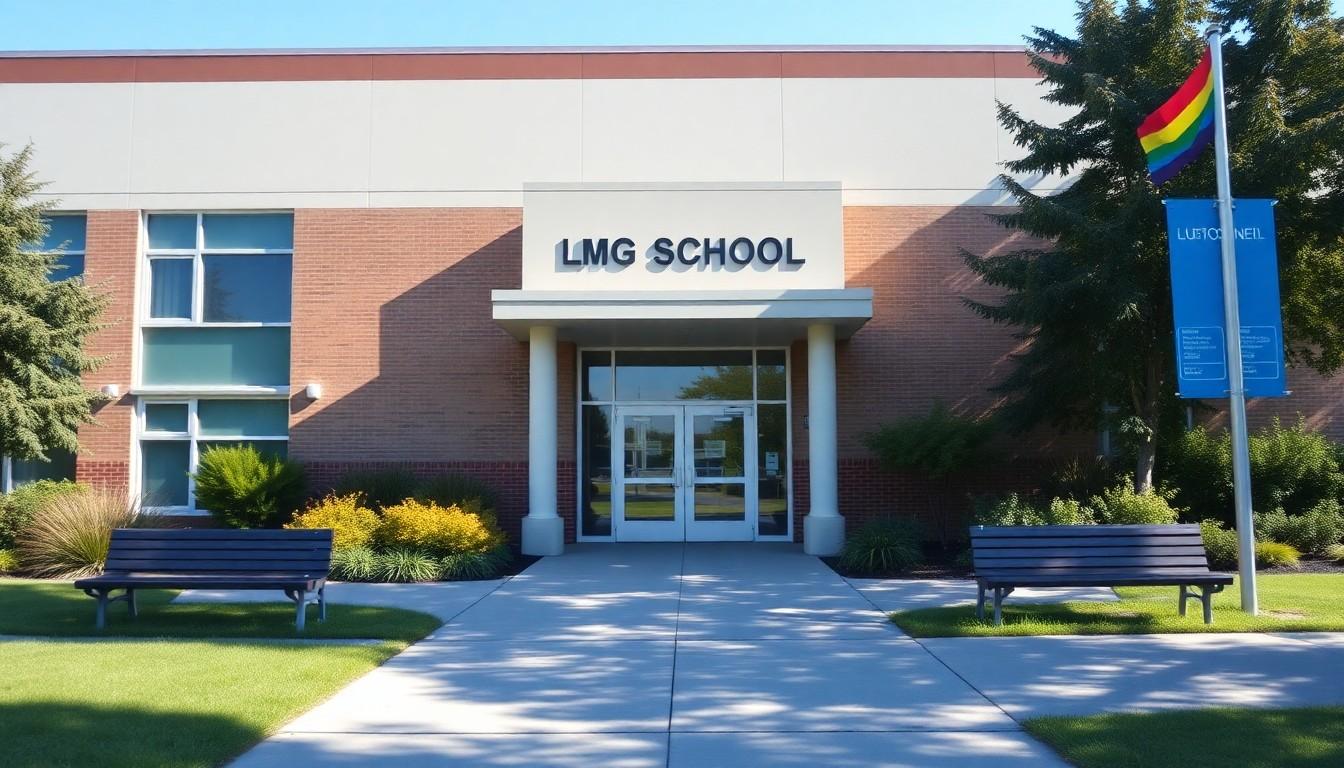
Educators are bringing LGBTQ history and identity into classrooms to broaden cultural understanding, challenge erasure and make schools safer for every pupil. From age-appropriate lessons and inclusive books to clear anti-bullying policies, the approach matters as much as the subject, especially as teachers navigate political pressure and competing views.
Essential Takeaways
- History is wider than a single month: LGBTQ stories belong across the curriculum throughout the year.
- Context prevents tokenism: Real inclusion explores movements, people and social change rather than relying only on commemorative dates.
- Safety comes first: Clear ground rules, anti-discrimination policies and staff training help pupils learn without fear.
- Age-appropriate teaching matters: Lessons should suit pupils' development and focus on accurate, respectful information.
- Schools need practical support: Inclusive libraries, counselling, student groups and trusted adults can reinforce classroom learning.
LGBTQ history gives pupils the missing backstory
A lesson on LGBTQ history can begin with a simple observation: many pupils learn about kings, wars and political movements, yet encounter far fewer stories about sexuality and gender diversity. That gap isn't accidental. Marginalised people have often been excluded, renamed, censored or treated as footnotes, leaving young people without a useful map of the past.
The result can feel strangely personal. LGBTQ pupils may grow up believing people like them have no history, while other pupils receive an incomplete picture of society. Teaching the subject carefully adds context, not controversy for its own sake, and helps explain how ideas about identity, family and citizenship have changed.
There is plenty to explore, from Sappho's surviving poetry to the campaigns that shaped modern LGBTQ rights. The key is to avoid presenting history as a neat march towards progress. Alongside moments of pride sit persecution, silence and loss, so pupils can understand both the achievements and the cost of exclusion.
Why one awareness month isn't enough
October is recognised as LGBTQ History Month in the United States, while the observance takes place in February in the United Kingdom. Other dates, including Pride Month, Transgender Day of Remembrance and Bi Visibility Day, can offer useful entry points, but they shouldn't become the whole lesson plan.
A calendar-only approach risks turning a living history into a colourful display of flags, famous names and themed assemblies. That's a start, but it can leave the wider curriculum untouched. A stronger model threads relevant stories into history, English, citizenship, science, art and social studies where they genuinely belong.
For example, pupils might examine how laws shaped private life, how writers used coded language, or how public health campaigns changed during the AIDS crisis. These are not separate from mainstream history. They're part of it, and that connection is what makes the learning feel substantial rather than decorative.
Build lessons around evidence, not stereotypes
Teachers don't need to turn every class into a debate about personal beliefs. A well-designed lesson can focus on primary sources, historical evidence, vocabulary and changing social conditions. That gives pupils something solid to investigate, while leaving room for thoughtful questions.
One useful approach is to move from the impersonal to the personal. Students can first analyse a document, image or biography before discussing wider questions about identity and prejudice. This creates breathing space for pupils who may be exploring their own sexuality or gender privately.
Language deserves attention, too. Terms evolve, and historical figures may not have used modern labels for themselves. Teachers should explain that applying today's categories to the past can be helpful, but it can also oversimplify. The aim is accuracy and respect, not forcing every life into a tidy modern box.
A safer classroom needs firm boundaries
Open discussion doesn't mean allowing every comment to pass unchallenged. Teachers can agree ground rules at the start of a unit, including listening without interruption, questioning ideas rather than attacking people and avoiding slurs. Those expectations should be visible and consistently enforced.
When a pupil uses a homophobic or transphobic insult, a brief response can be more effective than a long lecture. Explain what the term does, why it's harmful and what respectful language sounds like. If the comment is targeted or repeated, it should be handled through the school's safeguarding and behaviour procedures.
A safe classroom isn't necessarily one where nobody feels challenged. It's one where pupils can think hard, ask honest questions and disagree without being humiliated. That distinction matters, because genuine learning often begins at the edge of what feels familiar.
What schools can do beyond the lesson
Curriculum changes work best when they sit inside a broader school culture. Staff training can help teachers recognise bullying, respond to discriminatory language and understand the needs of LGBTQ pupils. Written policies should explicitly cover sexual orientation, gender identity and gender expression rather than relying on vague promises of inclusion.
Practical support also counts. Age-appropriate library books, confidential counselling, inclusive forms and trusted adults can make the message of a lesson feel real. Student groups and family engagement may help too, provided participation is voluntary and pupils aren't expected to disclose or explain their identities.
Schools should also check their own climate before introducing new material. Listening to pupils, families and staff can reveal where support is strongest and where resistance may appear. As the National Education Association and other education bodies have emphasised in guidance on inclusive schooling, preparation and consistent policy are more useful than last-minute reaction.
The next step is integration, not isolation
The most persuasive case for LGBTQ-inclusive education is educational rather than symbolic. It helps pupils assess sources, understand power, recognise prejudice and see how social change happens. It can also give LGBTQ young people a sense that their lives belong in the story of society, not outside it.
That doesn't mean every school will take exactly the same route. Local law, age, curriculum requirements and community context all matter. But omitting the subject entirely leaves pupils with the same old gaps, and silence rarely makes a classroom more neutral.
The best teaching is steady, evidence-led and humane. It treats LGBTQ history as part of history, while giving teachers the tools to handle disagreement without sacrificing dignity or accuracy.
Make inclusion part of everyday learning, not just the school calendar.
Source Reference Map
Story idea inspired by: [1]
Sources by paragraph:
- Paragraph 1: ,
- Paragraph 2: ,
- Paragraph 3: ,
- Paragraph 4: ,
- Paragraph 5: ,
- Paragraph 6: ,
- Paragraph 7: ,
- Paragraph 8: ,
- Paragraph 9: ,
- Paragraph 10: ,
- Paragraph 11: ,
- Paragraph 12: ,
- Paragraph 13: ,
- Paragraph 14: ,
- Paragraph 15: ,
- Paragraph 16: ,
- Paragraph 17: ,