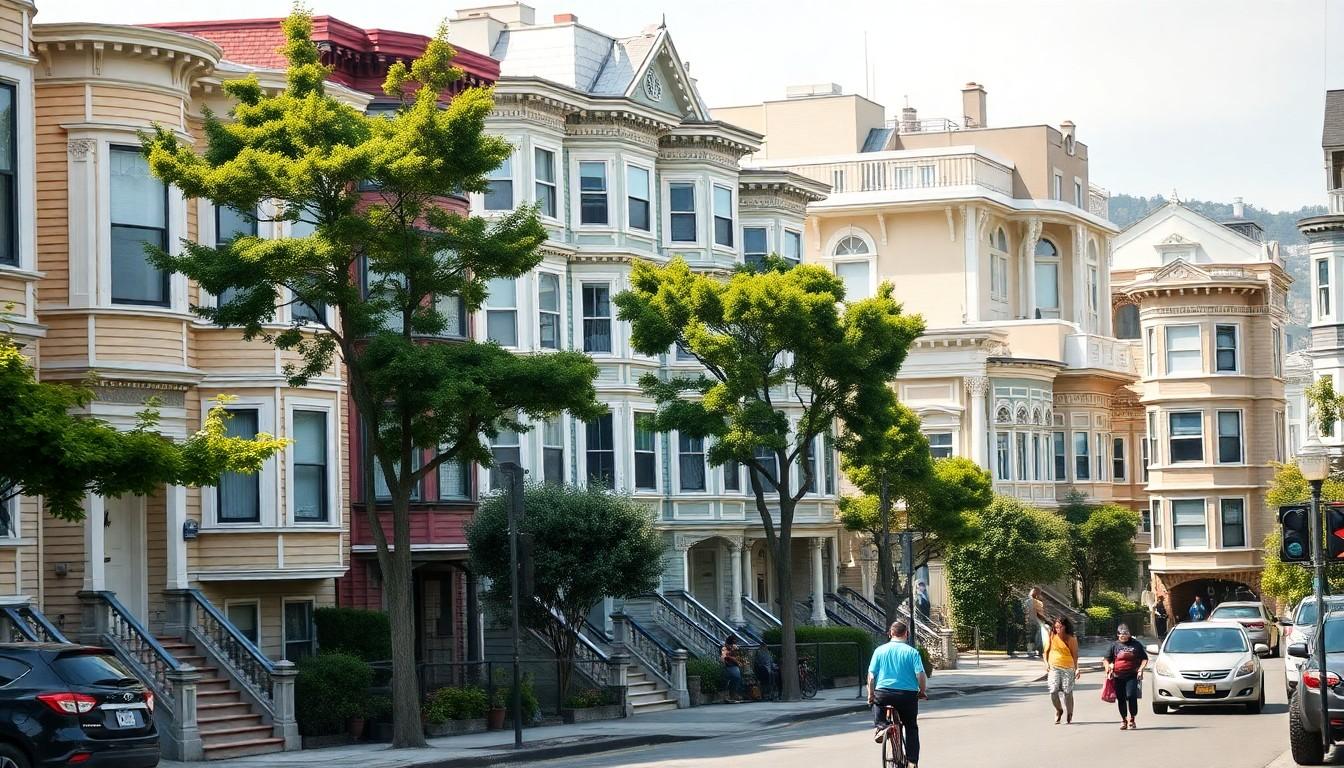
Shoppers are returning to San Francisco’s housing market as the city’s tech economy gathers pace, but LGBTQ buyers still face steep prices and unequal access to mortgages. From Diamond Heights to the Castro and more affordable Vallejo, location now means balancing community, transport, space and financial breathing room.
Essential Takeaways
- Demand is reviving: San Francisco’s rental and sales markets are gaining momentum alongside the city’s economic recovery.
- Ownership remains unequal: LGBTQ adults are less likely to own homes than straight, cisgender adults, despite strong ambitions to buy.
- Condos offer an opening: Apartments may provide a more realistic route into the market than houses in high-cost neighbourhoods.
- Community has spread: The Castro remains symbolic, but LGBTQ buyers increasingly live across the wider Bay Area.
- Location changes the maths: Vallejo and other North Bay communities can offer more space, though commuting may be harder.
San Francisco is heating up again
San Francisco’s property market is no longer sitting quietly on the sidelines. Apartment List reports that the city’s rental market has regained momentum, while the region’s artificial intelligence boom is bringing fresh employment and renewed demand for homes.
That revival is visible in the contrast between price and choice. The city remains eye-wateringly expensive, yet buyers can still find opportunities, particularly among condominiums. It’s a curious market: expensive overall, but not entirely short of stock. (Sources: Apartment List; Axios)
For LGBTQ buyers, that distinction matters. A home isn’t only a financial asset. It can also mean choosing somewhere that feels welcoming, connected and comfortable enough for everyday life, whether that’s a balcony for the dog, a short trip to friends or an easy route out of town.
The Castro still matters, but it’s no longer the whole story
The Castro remains one of the world’s best-known LGBTQ neighbourhoods, but San Francisco’s queer community is much more geographically spread than it once was. Areas such as Diamond Heights, Noe Valley and the Mission can offer a different mix of space, transport and atmosphere without putting buyers too far from the city’s social centre.
That shift reflects a broader change in how LGBTQ people live. Fannie Mae’s housing research found strong homeownership aspirations among LGBT respondents, but also highlighted concerns about mortgages, debt, credit history and the size of monthly payments. In other words, buyers may want the traditional dream, while finding the route there considerably rougher. (Sources: Fannie Mae; Fannie Mae)
For some, the Castro’s appeal is less about living on one particular street and more about being within reach of community. A short bus ride or walk can preserve that connection while opening up more practical choices. And, as any San Franciscan will tell you, a little extra space can feel like a luxury in itself.
Why condos may be the smart entry point
Condos are emerging as one of the more approachable corners of San Francisco’s property market. They generally cost less than detached homes, can come with shared amenities and may suit buyers who prioritise location over a large garden.
There are trade-offs, of course. Buyers need to examine service charges, reserve funds, building insurance, maintenance plans and any upcoming major works. A sleek lobby is lovely, but a poorly funded residents’ association can quickly turn that shine into an expensive headache.
The wider market also makes timing difficult. Apartment List’s figures point to renewed rental demand, while local development and investment activity suggest continued pressure on available housing. Buyers shouldn’t assume prices will fall simply because some listings have lingered. Instead, compare recent sales, ask how long similar properties have stayed on the market and calculate the full monthly cost before making an offer. (Sources: Apartment List; San Francisco Business Times)
LGBTQ homeownership remains out of reach for many
The desire to own is widespread, but access isn’t evenly distributed. Fannie Mae’s LGBT housing data shows that LGBTQ respondents report lower homeownership rates than the wider population and are more likely to describe obtaining a mortgage as difficult.
That gap can reflect several pressures at once, including lower accumulated family wealth, uneven access to financial support and concerns about discrimination. Fannie Mae’s research into housing disparities also points to differences in treatment and outcomes for some groups of applicants, reinforcing why buyers may want a lender and adviser they trust. (Sources: Fannie Mae; Fannie Mae)
A practical first step is to gather documents early, check credit reports and obtain several mortgage illustrations rather than relying on a single quote. LGBTQ buyers may also prefer working with an agent familiar with local community needs. It won’t make San Francisco cheap, sadly, but it can make the process feel less like wandering through fog.
Look beyond the city for more breathing room
For buyers who want space without abandoning the Bay Area, the North Bay can offer a useful compromise. Vallejo, Napa and Sonoma County communities may provide larger homes and warmer weather, although journey times and public transport vary considerably.
The choice is essentially lifestyle versus convenience. Living outside San Francisco can mean a garden, a quieter street and a lower purchase price, but commuting, ferry schedules and access to LGBTQ venues need careful consideration. A bargain loses some of its charm if every social plan requires a complex expedition.
San Francisco’s economic recovery may keep the region attractive, particularly as technology companies expand and new investment arrives. That could support demand across the wider market, but it may also make affordability harder for first-time buyers. The most resilient strategy is to focus on the life you can comfortably afford, not the postcode that looks most impressive on a listing. (Sources: Axios; Associated Press)
A home near the Castro, a condo in Diamond Heights or a larger property across the bay can all be meaningful choices. The right one depends on whether your priorities are community, space, commuting or simply having somewhere that feels like yours.
Explore the neighbourhood that fits your life, not just your budget.
Source Reference Map
Story idea inspired by: [1]
Sources by paragraph: