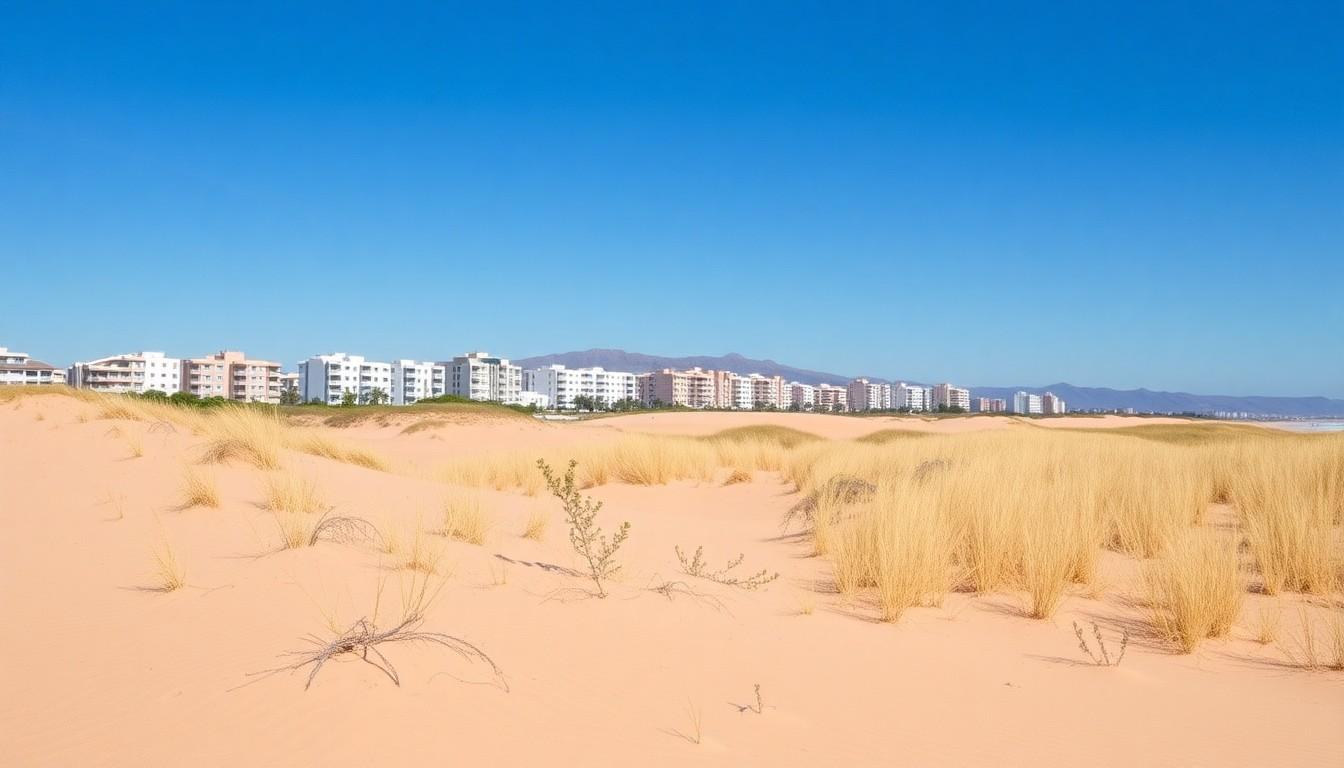
Travellers are heading to Gran Canaria for more than reliable sunshine. The Spanish island pairs golden beaches, volcanic scenery and excellent food with one of Europe’s most established LGBTQ-friendly holiday scenes, making it a particularly appealing choice for queer visitors seeking relaxed days, lively nights and plenty to explore beyond the resort strip.
Essential Takeaways
- Maspalomas leads the way: Its dunes, lighthouse and beach create Gran Canaria’s best-known LGBTQ-friendly setting.
- Kiosk 7 is a landmark: The area around this beach kiosk is widely associated with the island’s LGBTQ and naturist scene.
- The Yumbo comes alive late: Expect bars, drag, clubs and people-watching, with the busiest atmosphere usually building after midnight.
- Go beyond the coast: Las Palmas, mountain villages, vineyards and volcanic ravines reveal a more layered side of the island.
- Pack for changing weather: The sunny south can feel very different from the cooler, cloudier interior.
Why Gran Canaria remains a queer travel favourite
Gran Canaria’s appeal is wonderfully uncomplicated at first glance: warm weather, broad beaches and an easygoing atmosphere. Yet its LGBTQ scene has real depth, shaped over decades rather than assembled overnight for visitors.
The south, particularly Maspalomas and Playa del Inglés, is where that welcome is most visible. Visitors can spend the morning beside the sea, wander through the dunes in the afternoon and choose between a quiet dinner or a flamboyant night out. According to Gay Gran Canaria, the area offers a broad mix of accommodation, nightlife and visitor services aimed at LGBTQ travellers.
That sense of normality is part of the charm. LGBTQ life isn’t confined to a single hidden corner, so a holiday can feel both social and refreshingly ordinary. You can be yourself without making the whole trip about being seen.
Maspalomas beach brings sea, sand and freedom
The Maspalomas shoreline is long, informal and strikingly beautiful, with Atlantic water on one side and sculpted golden dunes on the other. Around the beach kiosks, different sections have developed their own atmospheres, including a well-known LGBTQ stretch and a naturist area.
Travel information from My Guide Gran Canaria highlights several LGBTQ-friendly beaches and beach zones across the island, but Maspalomas remains the obvious starting point for first-time visitors. The combination of open space, international crowds and an unbuttoned Spanish attitude makes it easy to settle in.
Kiosk 7 is commonly associated with the gay beach area, although the boundaries are informal and the atmosphere can shift with the season. Bring water, sunscreen and something to protect your feet from hot sand. The dunes look soft and inviting, but walking across them is surprisingly tiring, especially in midday heat.
Most importantly, stick to marked paths through the protected dune reserve. The landscape is fragile, and a little care helps preserve the experience for everyone. Early morning and late afternoon are ideal for gentler temperatures and especially beautiful light.
Beyond the beach, the island changes character
Gran Canaria is often described as a miniature continent, and the phrase makes sense once you leave the southern resorts. The mountainous interior creates distinct microclimates, with greener valleys and cooler air appearing after a relatively short drive.
Las Palmas is an excellent counterpoint to Maspalomas. In the old district of Vegueta, cobbled lanes, historic balconies and handsome plazas provide a slower, more atmospheric introduction to the island. Nearby Triana adds independent shops, cafés and restaurants, while Playa de Las Canteras brings a lively urban beach feel.
Further inland, volcanic ravines and hill villages offer a more traditional taste of Gran Canaria. A meal in a cave restaurant at Barranco de Guayadeque is the sort of detour that stays in the memory, particularly when it involves wrinkled potatoes, mojo sauce and a cold beer. The island’s food is hearty, local and rarely fussy, which is precisely what you want after a day in the sun.
Wine lovers should also consider booking a visit to a small family-run vineyard. These experiences tend to be intimate rather than polished, with local wines served alongside homemade dishes and island produce. Book ahead, especially if lunch is included.
The Yumbo Centre is the island’s late-night landmark
If Maspalomas is the beach, the Yumbo Centre is the nightlife hub. The open-air shopping and entertainment complex is recognised by the Canary Islands tourism authorities as the world’s only LGBTQ shopping centre, and it becomes considerably livelier after dark.
The choice is broad. There are cocktail terraces, drag venues, dance bars, cruising spaces and quieter places where you can simply sit with a drink and watch the crowd pass. Hello Canary Islands describes the centre as a distinctive LGBTQ destination in its own right, rather than merely a collection of venues.
Don’t arrive too early if you’re hoping to see the main action. Many bars gather momentum late in the evening, and the atmosphere can continue well into the small hours. A taxi is often the simplest way home after a few drinks, particularly if your hotel is outside Playa del Inglés.
The best approach is to wander first and decide as you go. The Yumbo rewards curiosity, and there’s no need to commit to one scene for the entire night. One minute you’re having a relaxed drink, and the next you’re watching a drag show you didn’t plan to see.
How to plan a smoother LGBTQ beach break
The south is generally warmer, drier and sunnier than the north, making Maspalomas a dependable choice for a beach-led holiday. Even so, Gran Canaria’s weather can change quickly. A light layer is useful for evening walks, mountain trips and breezy days by the Atlantic.
Accommodation ranges from lively, central hotels to quieter luxury properties near the dunes and lighthouse. Staying close to the beach suits early starts and sunset walks, while Playa del Inglés is more convenient for nightlife. If you want both, look for a hotel with easy taxi access to the Yumbo and a peaceful pool area for the next morning.
Public buses connect the airport, Las Palmas and the southern resorts, but a hire car is worthwhile if you’re planning inland excursions. The island’s best food and scenery often sit beyond the main tourist routes, where a car gives you more freedom to stop at villages, viewpoints and small restaurants.
For a first visit, allow time for both sides of the island’s personality. The beach and nightlife are excellent, but the historic streets, volcanic valleys and local cooking are what turn a sunny break into a proper Gran Canaria experience.
A welcoming classic with plenty left to discover
Gran Canaria’s LGBTQ appeal works because it isn’t limited to nightlife. The island offers room for lazy beach days, adventurous drives, long lunches, cultural wandering and the occasional spectacular sunset.
That balance explains why visitors return. As the Yumbo’s reputation continues to attract travellers from across Europe and beyond, Gran Canaria still feels relaxed rather than overproduced. It’s lively when you want it to be, quiet when you need it to be and gloriously sunny in between.
Follow the paths, pace yourself in the heat and leave space in the itinerary for one unexpected detour. That’s often where the island is at its best.
From Maspalomas sands to late nights at the Yumbo, Gran Canaria makes an easy, welcoming escape.
Source Reference Map
Story idea inspired by: [1]
Sources by paragraph:
- Paragraph 1: [3], [4]
- Paragraph 2: [2], [4]
- Paragraph 3: [3], [4]
- Paragraph 4: [3], [7]
- Paragraph 5: [3], [4]
- Paragraph 6: [2], [3]
- Paragraph 7: [2], [3]
- Paragraph 8: [2], [4]
- Paragraph 9: [2], [6]
- Paragraph 10: [5], [6]
- Paragraph 11: [4], [6]
- Paragraph 12: [2], [3]
- Paragraph 13: [2], [4]
- Paragraph 14: [2], [6]
- Paragraph 15: [2], [3]
- Paragraph 16: [2], [4]