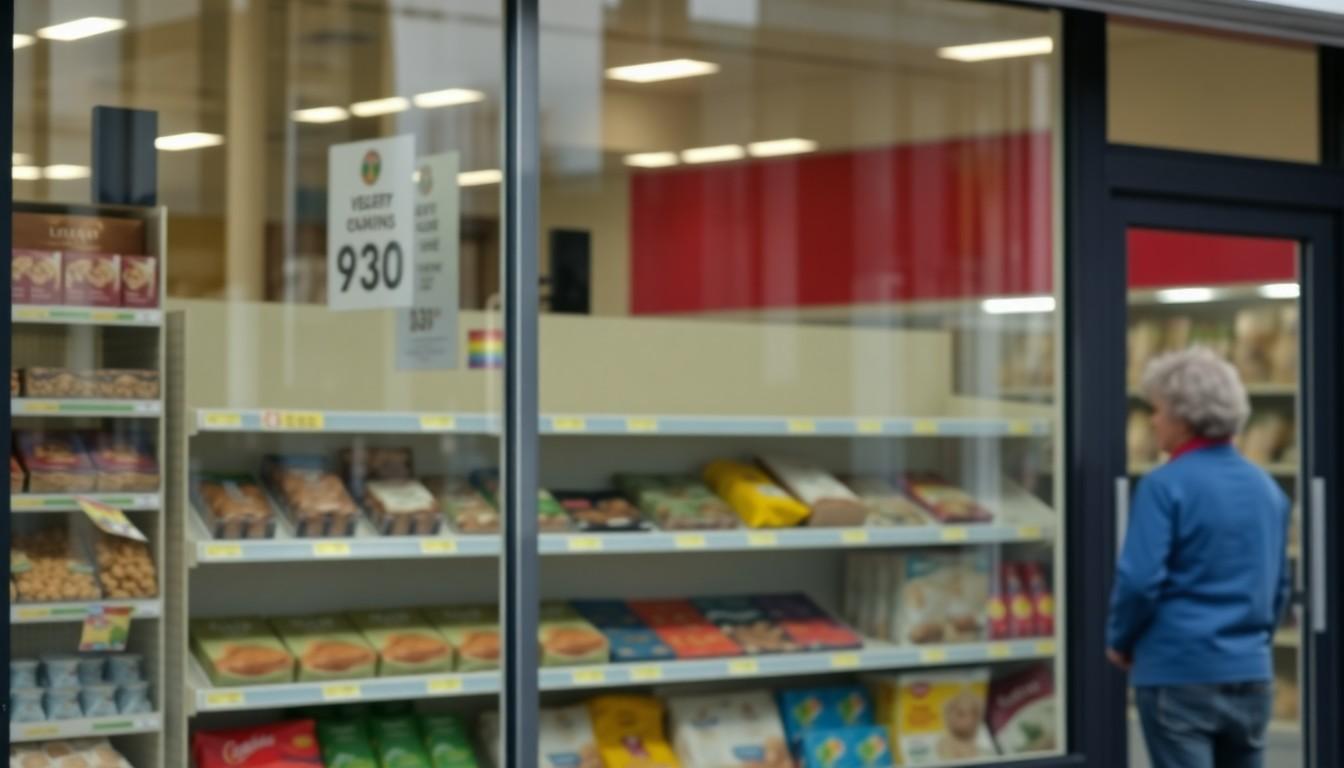
Diners are noticing fewer vegetarian options across British restaurants, flights and familiar chains, reviving an uncomfortable feeling of going backwards. For people whose food choices are rooted in ethics, religion or identity, the change is more than a disappointing menu. It raises wider questions about inclusion, access and whose needs businesses still consider worth meeting.
Essential Takeaways
- Choice is narrowing: Some diners are finding fewer substantial vegetarian dishes on menus.
- The impact goes beyond food: For many people, dietary requirements are tied to faith, culture, ethics or identity.
- Chains are changing direction: Reports suggest McDonald's UK has removed most of its vegetarian offerings.
- A wider mood is developing: Rights groups have warned about growing pressure on marginalised communities and public dissent.
- Small omissions matter: A single salad or side dish can leave customers feeling like an afterthought.
When a vegetarian meal means two side dishes
There was a time when eating out as a vegetarian meant scanning a menu for something that wasn't simply chips, salad or an apologetic plate of vegetables. The experience could be awkward, but it was familiar: explain yourself, accept the compromise and try not to make a fuss.
Then the food landscape changed. Meat-free burgers, plant-based sausages and dedicated vegetarian menus moved from specialist shops into supermarkets, pubs and airports. Suddenly, choosing not to eat meat felt less like a daily negotiation and more like an ordinary part of modern life. Recent reporting in the Guardian suggests that this sense of progress is now becoming less secure. [2]
The frustration isn't just about wanting more exciting food. A restaurant that offers a genuinely filling vegetarian main tells customers they belong there. A lone bowl of leaves says something rather different, especially when the meat dishes arrive with elaborate sauces, sides and careful presentation.
The plant-based boom is losing momentum
The retreat appears particularly visible in the chain restaurant market. McDonald's UK has reportedly discontinued around 80 per cent of its vegetarian options, a decision that reflects changing sales priorities but leaves customers with noticeably less choice. [3]
That shift doesn't mean plant-based eating has disappeared. Supermarkets remain packed with meat-free products, and many independent restaurants still serve excellent vegetarian and vegan dishes. But availability is uneven, and the difference between a city centre and a small town can be enormous.
For customers, the practical lesson is simple: don't assume a familiar brand will still offer the dish you remember. Checking the menu before travelling, especially for long journeys or group meals, can prevent a hungry and rather joyless surprise.
Why this matters beyond vegetarianism
Food is often treated as a lifestyle preference, something flexible that can be accommodated if the customer is persistent enough. That misses how closely eating can be linked to religion, family, culture and personal conscience.
A vegetarian may be avoiding meat for ethical reasons. A Muslim, Jewish or Sikh diner may need food prepared according to religious requirements. Someone with an allergy may face serious health risks. In each case, a business that treats the need as an inconvenience is quietly deciding whose comfort takes priority.
That concern sits within a broader debate about rights in Britain. Human Rights Watch has reported repeated concerns about the UK government's treatment of rights protections, while separate reports have highlighted restrictions affecting asylum seekers and people involved in protest. [4] [5] [6] [7] These issues aren't identical to a poor restaurant menu, of course, but they share a familiar pattern: minority needs become easier to dismiss when they are framed as troublesome or excessive.
Inclusion should be visible on the plate
A good vegetarian option doesn't need to imitate meat. It could be a carefully made pasta dish, a fragrant curry, a rich pie or a plate of grains and roasted vegetables with enough protein to count as dinner. What matters is thought, flavour and parity with the rest of the menu.
Restaurants can make a practical difference by keeping at least one substantial vegetarian main year-round, labelling dishes clearly and training staff to answer questions without eye-rolling. They should also check sauces, stocks, cooking fats and shared preparation areas, because a meat-free description isn't always a meat-free meal.
Diners can help themselves by asking precise questions and mentioning requirements when booking. It's also worth remembering that a disappointing menu may reflect supply decisions rather than the views of individual staff, although that doesn't make the experience any less irritating.
A small menu decision can reveal a bigger mood
The return of token vegetarian choices feels significant because it arrives alongside a wider sense of public life becoming less generous. Human Rights Watch has described crackdowns on protest and new measures that could restrict dissent, adding to concerns about the space available for disagreement in the UK. [6] [7]
No one should confuse an underwhelming restaurant with a civil-rights crisis. Still, everyday experiences shape how welcome people feel. Being repeatedly told that your food, identity or safety is an inconvenience can wear a person down, particularly when the same message appears in institutions, headlines and public policy.
The better future is not complicated. It involves designing public life for more than the majority, then treating that as normal rather than unusually kind. On a menu, that means a proper main course. In society, it means dignity without conditions.
A thoughtful vegetarian menu is a small sign that everyone at the table has been considered.
Source Reference Map
Story idea inspired by: [1]
Sources by paragraph: