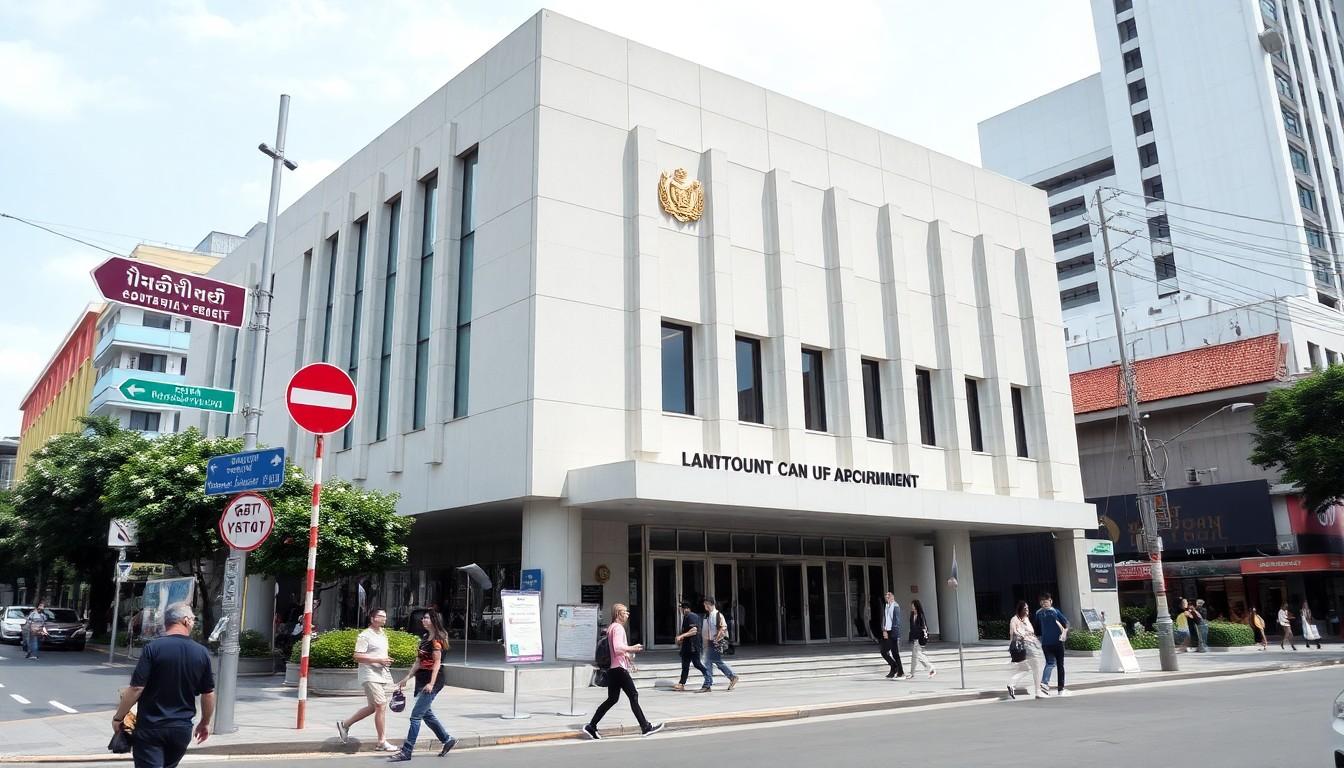
Bangkok is positioning WorldPride 2030 as more than a colourful festival, with plans to put Asian LGBTQIA+ communities, activists and human-rights issues at the centre of the first WorldPride held in the region. The proposed programme could turn one week of celebration into a lasting support network for equality, visibility and safety.
Essential Takeaways
- A regional first: Bangkok is bidding to host the first WorldPride in Asia.
- Activists at the centre: A proposed fellowship would fund at least 150 frontline activists, with most places reserved for participants from the Global South.
- A practical agenda: Bangkok Action 2030 would focus on legal recognition, health equity, bodily autonomy, digital rights and defender protection.
- A lasting legacy: Plans include micro-grants, emergency relocation support and a museum and archive dedicated to Asian queer histories.
- Thailand's milestone: Same-sex marriage took effect in Thailand in January 2025, adding weight to the country's bid for WorldPride 2030.
Bangkok wants WorldPride to reach far beyond Thailand
The boldest part of Bangkok's WorldPride 2030 bid isn't the promise of a huge parade. It's the attempt to make the event useful to communities that may never have the same visibility, funding or legal protections as the host country.
According to Bangkok Pride, the proposed programme would bring activists and organisations from across Asia into the planning and conversation. That matters because LGBTQIA+ life across the region is far from uniform, shaped by different laws, cultures and levels of public acceptance.
The result could be a WorldPride that feels less like a travelling spectacle and more like a meeting point. For many attendees, that sense of recognition may be just as powerful as the fireworks.
Funding frontline activists is a welcome shift
A proposed Bangkok WorldPride Activist Fellowship would offer at least 150 fully funded places for frontline activists. At least 70 per cent would go to participants from the Global South, helping cover the financial barriers that can make international events inaccessible.
That practical detail gives the bid some substance. Travel, accommodation and accreditation costs are easy to overlook when large cultural events talk about inclusion, but they can determine who gets heard and who remains outside the room.
The wider WorldPride movement, represented internationally by InterPride, frames the event as a platform for visibility, advocacy and community connection. Bangkok's proposal appears to take that responsibility seriously by linking attendance with longer-term organising.
Bangkok Action 2030 would turn discussion into a roadmap
The bid also proposes a week-long Human Rights Forum, with regional perspectives helping shape a framework called Bangkok Action 2030. Its priorities include family and legal recognition, bodily autonomy, health equity, protection for human-rights defenders and digital rights.
Those subjects reflect the complicated reality of LGBTQIA+ equality. Marriage rights are important, but they don't settle questions around safety, healthcare, employment, online harassment or the ability to organise without intimidation.
Thailand's progress gives the proposal a useful backdrop. Same-sex marriage became legal in January 2025, making Thailand the first country in Southeast Asia to recognise such unions, according to Time. By 2030, the country would be marking five years of marriage equality while also confronting the work still unfinished.
A Pride network could keep the momentum moving
One of the more ambitious ideas is a Pride City Network Asia community hub. Building on Thailand's existing links between local organisers and authorities, it would give Pride groups across the region a place to share knowledge, contacts and support.
The proposed legacy fund could make that network more than a directory. Bangkok Pride says a share of operating surpluses would support micro-grants, capacity building and emergency relocation assistance for human-rights defenders.
That kind of help rarely attracts the same attention as a headline concert, but it's often what keeps grassroots work alive between major events. The challenge, naturally, will be making sure the fund is transparent, accessible and shaped by the communities it aims to serve.
Preserving Asian queer history matters too
The bid includes plans for a Sexual Orientation, Gender Identity and Expression, and Sex Characteristics Museum and Archive. Its purpose would be to preserve Asian queer histories and give them a more visible place in public memory.
That proposal has emotional weight. Movements are often documented through legal milestones and famous names, while the quieter stories of families, local organisers and everyday resistance disappear. A regional archive could help connect today's activism with the people who made earlier progress possible.
Thailand's growing reputation for inclusive tourism has already put Bangkok's Pride events in front of international visitors, with the Tourism Authority of Thailand supporting the 2026 parade. WorldPride 2030 would raise the stakes, but the strongest measure of success won't be visitor numbers. It'll be whether communities leave with stronger partnerships and practical tools for the years ahead.
Bangkok's WorldPride 2030 bid could make celebration the beginning, rather than the conclusion, of regional change.
Source Reference Map
Story idea inspired by: [1]
Sources by paragraph:
- Paragraph 1: [2], [3]
- Paragraph 2: [2], [4]
- Paragraph 3: [3], [5]
- Paragraph 4: [2], [6]
- Paragraph 5: [3], [7]
- Paragraph 6: [2], [4]
- Paragraph 7: [3], [5]
- Paragraph 8: [2], [6]
- Paragraph 9: [2], [4]
- Paragraph 10: [3], [5]
- Paragraph 11: [2], [4]
- Paragraph 12: [3], [7]
- Paragraph 13: [2], [6]
- Paragraph 14: [2], [4]
- Paragraph 15: [3], [5]
- Paragraph 16: [2], [6]
- Paragraph 17: [2], [7]
- Paragraph 18: [2], [3]