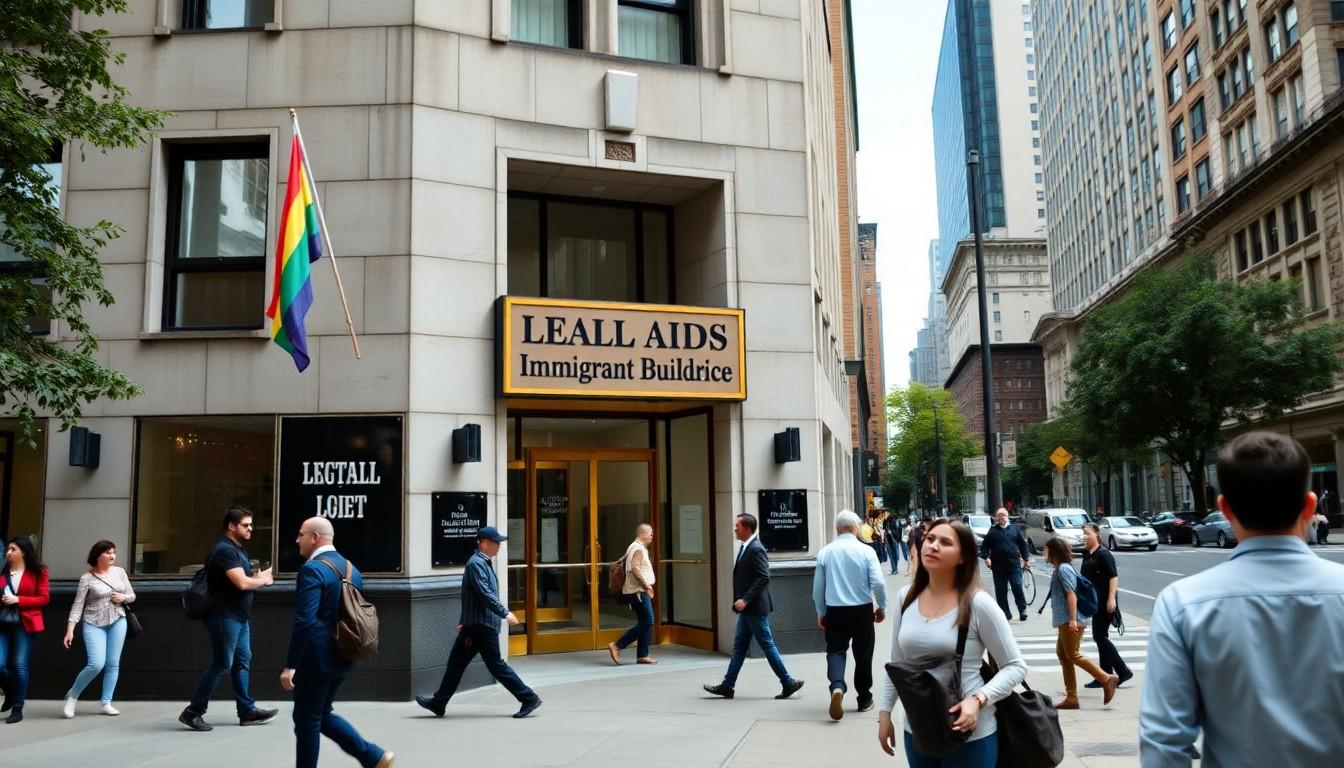
Advocates are urging New York City to expand legal aid for LGBTQ+ immigrants, especially young people facing detention, homelessness and possible deportation. The proposed funding would pair immigration lawyers with case managers, healthcare links and culturally informed support, helping vulnerable New Yorkers navigate a system where one missed notice can change everything.
Essential Takeaways
- A proposed investment: Advocates are calling for $15 million in city funding for LGBTQ+ immigrant legal services.
- More than legal advice: Effective support can include case management, housing help, mental healthcare and access to medication.
- Free help exists: New York offers immigration legal support centres and referral services for eligible residents.
- Representation matters: A qualified immigration attorney can help with asylum claims, court deadlines and detention emergencies.
- Choose trusted providers: Look for recognised non-profit organisations and avoid anyone promising guaranteed immigration outcomes.
A missed letter can become a deportation order
Immigration court is intimidating at the best of times. For someone who speaks limited English, is unfamiliar with US legal procedures and may already be carrying the trauma of persecution, it can feel almost impossible to navigate.
That pressure is particularly sharp for LGBTQ+ immigrants. Many have left countries where their sexuality or gender identity exposed them to violence, imprisonment or threats to their lives. Returning isn't simply a change of address; for some people, it could mean going back to serious danger.
New York's legal support network helps people find advice and representation, but demand remains high. The city's official immigration resources direct residents towards free or low-cost providers, including community organisations and legal service groups. [3], [6]
Why LGBTQ+ newcomers need wraparound support
A lawyer is vital, but legal representation can't solve every practical obstacle. Someone preparing an asylum application may also need somewhere safe to sleep, help replacing identity documents, HIV medication, mental-health support or assistance attending appointments.
That wider picture is central to organisations serving LGBTQ+ young people. The Free to Be Youth Project, for instance, combines legal services with support designed around the realities facing queer and trans newcomers. It recognises a simple truth: paperwork is difficult when you're hungry, frightened or sleeping rough. [5]
Community-led organisations also bring something a large institution may not always provide: trust. Groups such as the Caribbean Equality Project and the Asian Pacific Islander legal fund work with communities that may be wary of authorities after discrimination or mistreatment. A familiar voice can make the first conversation feel possible. [2], [4]
The $15 million question
Advocates are pressing the City Council to create a dedicated LGBTQ+ Immigrant Legal Services fund, beginning with a proposed $15 million investment. The aim is to increase access to attorneys while supporting the practical services that help people stay engaged with their cases.
That matters because immigration law is deadline-heavy and unforgiving. A person may need to gather evidence, attend hearings, complete forms and respond quickly to government notices, often while dealing with unstable housing or detention. Funding more organisations could make it less likely that a viable case collapses simply because the applicant couldn't find help in time.
New York's broader legal-support system already offers routes into assistance, including immigration legal support centres and city referral tools. A dedicated fund would add a sharper focus on LGBTQ+ immigrants, rather than expecting general services to absorb every specialised need. [3], [6]
How to find safer, reputable legal help
Start with a recognised non-profit or a city-listed legal service provider. New York's official guidance can help residents identify organisations offering immigration advice, while established groups such as NYLAG provide legal services to people who may not be able to afford private representation. [6], [7]
Ask what type of help is available before sharing sensitive documents. Some providers offer advice or referrals, while others may represent clients in court. It’s also worth checking whether the organisation has experience with asylum, detention, LGBTQ+ identity issues and language access.
Be cautious of anyone who guarantees a visa, asylum approval or a fast result. Immigration cases are highly individual, and no honest adviser can promise an outcome. Keep copies of every filing, notice and appointment date, and ask for an interpreter if you don't fully understand the discussion.
A sanctuary promise needs practical backing
New York often describes itself as a place of welcome for immigrants and a leader on LGBTQ+ rights. The test is whether those promises reach someone sitting alone outside immigration court, worrying about a missed hearing or a knock at the door.
More funding won't repair every flaw in the immigration system, but it could give advocates the capacity to respond before a crisis becomes irreversible. For a young person seeking safety, having a lawyer and a trusted support team may be the difference between being heard and being lost in the process.
It's a small phrase, but a powerful one: nobody should have to face an immigration court alone.
Explore trusted legal support that fits your situation.
Source Reference Map
Story idea inspired by: [1]
Sources by paragraph: