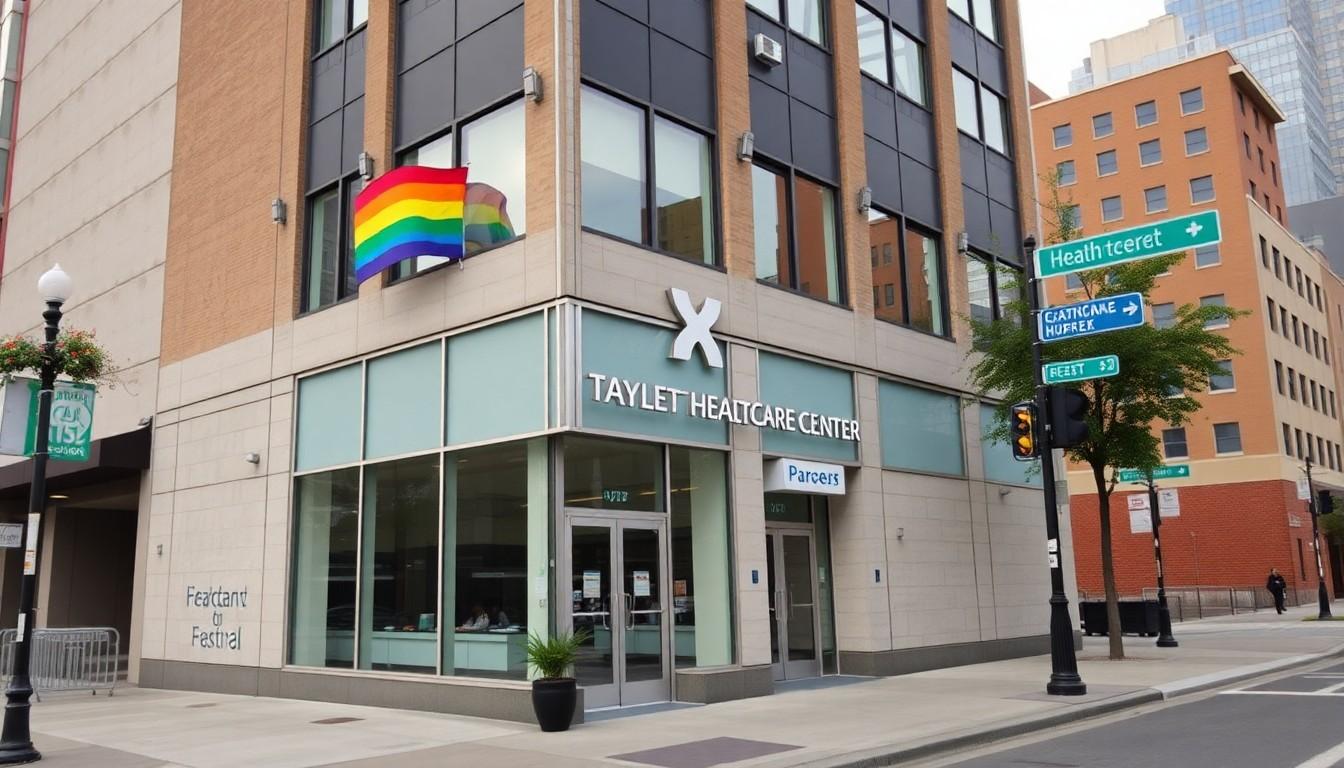
People in Washington, DC, will soon have easier access to HIV care, PrEP and STI services in the heart of the U Street nightlife district. The AIDS Healthcare Foundation’s new U Street Wellness Centre is due to open on 17 November, offering affordable testing, treatment, prevention support and pharmacy services from a highly visible local base.
Essential Takeaways
- Opening date: The U Street Wellness Centre is scheduled to welcome patients on 17 November.
- Where it is: The new facility is at 1115 U Street, N.W., in a busy central DC corridor.
- What it offers: Services include testing and treatment for HIV, gonorrhoea, syphilis and chlamydia, alongside PrEP access.
- Practical support: Visitors can also find free condoms, prevention education and non-profit pharmacy services.
- Opening hours: The centre is expected to operate Tuesday to Saturday, from 11am to 7pm.
A new health centre in the middle of the action
The AIDS Healthcare Foundation is putting sexual health services where people already gather. Its new U Street Wellness Centre will sit along one of Washington, DC's best-known nightlife stretches, giving residents and visitors a more convenient option for testing, treatment and prevention support.
That location matters. Sexual health care can feel intimidating when it involves a long journey, awkward appointment times or a setting that feels disconnected from everyday life. A visible, walk-in-friendly presence near restaurants, bars and public transport could make looking after your health feel a little less like a major production. The Washington Blade reported that the centre is scheduled to open on 17 November. [2], [5]
The project was marked by a ribbon-cutting ceremony attended by AHF representatives and local officials, including DC Council member Brianne Nadeau. It adds a third AHF healthcare site in the district, alongside existing centres on K Street and Pennsylvania Avenue, S.E. [2], [4]
What services will be available?
The centre is expected to provide testing and treatment for several common sexually transmitted infections, including gonorrhoea, syphilis and chlamydia, as well as HIV services. Patients will also be able to seek information about and access PrEP, the medication used to reduce the risk of acquiring HIV.
For many people, the appeal will be the combination of clinical care and prevention in one place. Free condoms and educational support are also planned, while the organisation's non-profit pharmacy services may help make prescriptions and ongoing treatment more manageable. AHF and local health directories list these types of services as part of its broader care model. [6], [7]
The facility is due to operate from Tuesday to Saturday, between 11am and 7pm. Those hours could suit people who work during the day or prefer to arrange care outside a conventional weekday schedule, although visitors should check availability and appointment requirements before travelling. [2], [7]
Why location can change health habits
Convenience isn't a glamorous healthcare innovation, but it can be one of the most effective. A centre that's close to nightlife, public transport and familiar neighbourhood landmarks may remove some of the friction that stops people booking a test or asking about prevention.
AHF's wider network combines medical treatment with education and advocacy, serving communities across the United States and internationally. The organisation has also opened other dedicated facilities in the region, including a state-of-the-art Capitol Hill centre, reflecting a broader effort to place HIV care closer to the people who need it. [3], [4]
That approach feels especially relevant in a busy urban area. Health decisions often happen in the gaps between work, social plans and daily errands, so a centre with evening access and a central address may be easier to use than a service requiring a cross-town trip.
What to know before visiting
If you're considering a visit, check the latest opening information and whether the service you need requires an appointment. Bring any relevant medication details, ask about testing windows where appropriate, and be open about symptoms or recent exposure so staff can recommend the right support.
People looking for PrEP should ask about eligibility, follow-up care and how prescriptions are supplied. Anyone concerned about a possible STI should avoid delaying care simply because symptoms are mild or absent. Many infections don't announce themselves loudly, which is precisely why regular testing matters. [6], [7]
The centre's reduced-cost and free services could also help people who have delayed care because of expense. Still, availability may vary by service, so confirming details directly with AHF is the sensible first step.
A more accessible future for HIV care
At the opening ceremony, AHF President Michael Weinstein said the organisation had been seeking a location that would bring its wellness-centre model closer to where people spend time. The choice of U Street, he suggested, was deliberate: the service needed to be part of the neighbourhood rather than tucked away from it. [2], [5]
That idea may prove more important than the ribbon-cutting itself. When testing, PrEP advice and treatment are easy to find, affordable and offered without unnecessary fuss, more people may feel comfortable taking action early. In sexual health, that quiet shift in confidence can make a real difference.
It's a small but meaningful step towards making HIV and STI care easier to find, use and trust.
Source Reference Map
Story idea inspired by: [1]
Sources by paragraph: