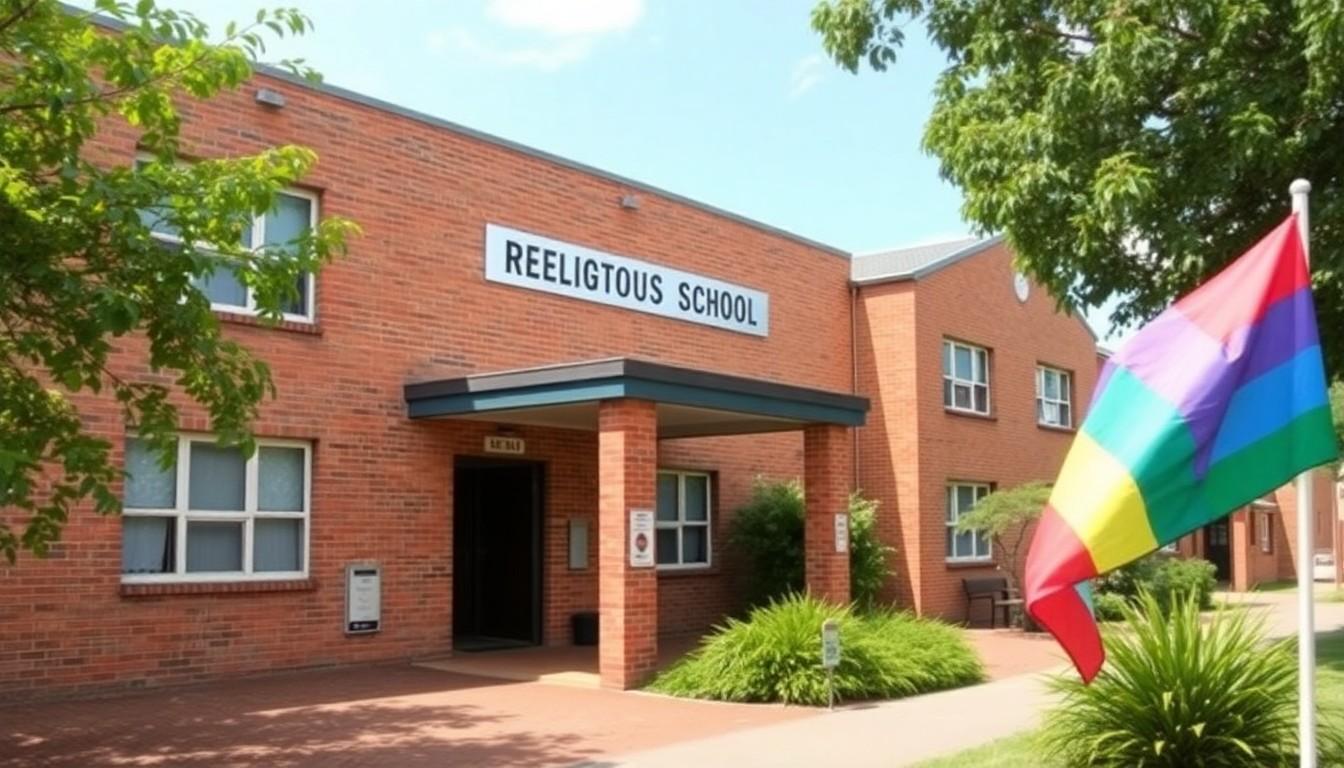
Australian MP Allegra Spender has introduced a bill aimed at ending religious-school exemptions that allow discrimination against LGBTQIA+ people and others, prompting fresh debate about equality, faith and education across Australia.
Essential Takeaways
- The proposal: The bill would remove exemptions allowing some religious schools to discriminate against students and staff.
- Who could benefit: LGBTQIA+ people and those affected by relationship, marital or pregnancy status protections.
- The central tension: Supporters say equality and religious freedom can coexist, while opponents warn of consequences for faith-based education.
- Why it matters: The debate could reshape how Australian schools balance religious identity with workplace and education rights.
A new challenge to religious-school exemptions
The proposed legislation lands on a fault line that Australian politics has been circling for years: how far religious schools should be allowed to go when their beliefs collide with anti-discrimination law. Allegra Spender's Sex Discrimination and Fair Work Amendment (Equality in Treatment in Religious Schools) Bill seeks to remove exemptions that currently permit unequal treatment in some faith-based schools. According to Equality Australia, the reform would strengthen protections for LGBTQIA+ students and employees. [6]
For families, this isn't an abstract legal quarrel. It can affect whether a student feels safe being open about who they are, whether a teacher's private life becomes a hiring issue and whether school policies treat one household differently from another. As Sydney Criminal Lawyers reported, calls to revisit these exemptions have returned to the national agenda after years of political disagreement. [7]
Why supporters say reform is overdue
Australian Lawyers for Human Rights argues that schools should be places where children can learn and participate without fear of exclusion, stigma or unequal treatment. The organisation says current exemptions permit conduct that would be unacceptable in many other public settings, making reform a question of consistency as much as principle. [2]
Supporters aren't necessarily arguing that religious schools should abandon their character or beliefs. Their case is that a school's religious identity shouldn't automatically permit discrimination against a student or employee because of sexuality, pregnancy, relationship status or marriage. Equality Australia has similarly framed the bill as a way to bring school protections closer to broader community expectations. [6]
That argument has a simple emotional centre: young people shouldn't have to calculate whether honesty about their family or identity could cost them a place in school life. It is the sort of detail that turns a legal exemption into something tangible.
Religious freedom remains the difficult balancing act
Opponents see the issue differently. Women's Forum Australia has argued that the bill could affect the ability of faith-based schools to maintain their educational ethos and respond to questions about sex and gender according to their beliefs. Its criticism reflects a wider concern that schools could face pressure to adopt approaches that conflict with religious teaching. [5]
The debate, then, isn't simply equality versus religion. It is about where the law should draw the line when religious expression affects admission, employment or day-to-day treatment. Australian Lawyers for Human Rights says those rights can be protected together, rather than treating one as automatically more important than the other. [2]
That balancing act is likely to make the parliamentary debate fiercely contested. Faith-based schools have long argued that their distinctiveness matters, while reform advocates say institutional identity cannot justify disadvantaging people for characteristics unrelated to their ability to learn or work.
What could change for students and staff?
If passed, the bill would remove legal cover for certain forms of discrimination in religious schools. That could influence recruitment, staff policies, student admissions and the handling of relationships, pregnancy and family circumstances. The precise effect would depend on the final wording and how courts and regulators interpreted the amended protections. [3]
For parents comparing schools, the practical questions may become more pointed. Families could ask how a school handles LGBTQIA+ students, whether employment policies distinguish between conduct and identity, and how complaints are investigated. Those questions already matter, but legislative change could make answers more consistent across the sector.
The proposal also matters to teachers and support staff, who may currently wonder whether a private aspect of their life could affect their job security. Sydney Criminal Lawyers noted that the push to remove exemptions concerns both students and teachers, extending the discussion beyond classroom access to workplace rights. [7]
Parliament faces a familiar but sharper debate
The bill has arrived in a political environment where reform has repeatedly been promised, delayed or reshaped. Neos Kosmos reported calls for the government to remove the faith-school exemption, highlighting the pressure on Labor and other parliamentarians to take a clear position. [4]
ALHR has urged MPs to consider whether exemptions meet contemporary expectations of dignity and equality, while critics are warning about the impact on religious autonomy. Neither side is likely to settle for vague assurances. The wording, safeguards and treatment of genuinely religious roles will all matter.
For families and educators, the outcome could signal something broader about Australian education: whether schools are primarily communities with distinctive beliefs, or public-facing institutions that must meet the same baseline of equal treatment as everyone else. That is a big question for one bill, but it's exactly why the argument has such staying power.
It's a debate worth watching, because the final rules could shape who feels welcome at school and at work.
Source Reference Map
Story idea inspired by: [1]
Sources by paragraph: