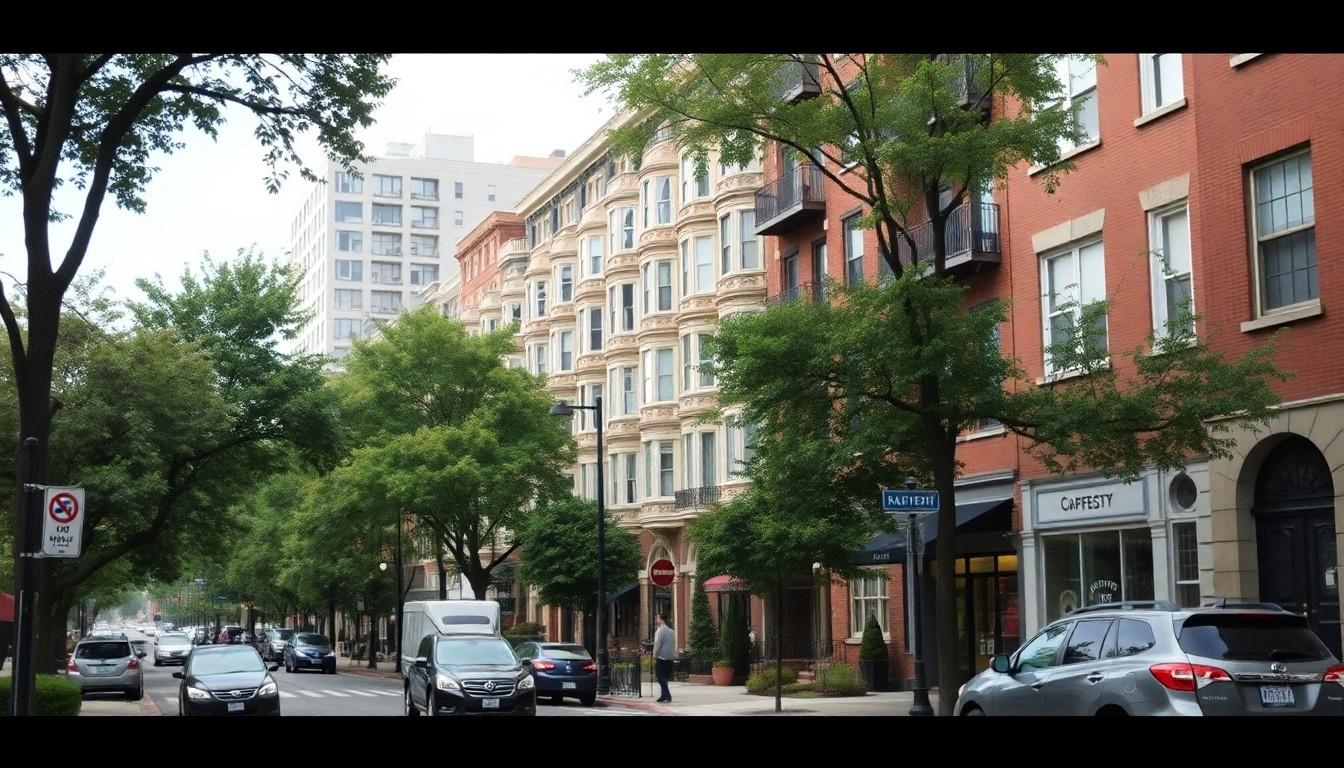
Washington’s gayborhoods are no longer confined to one postcode, as LGBTQ+ residents spread across the region in search of space, safety and affordability. The shift reflects hard-won freedom, but also rising housing costs that are pushing some of the communities that shaped these areas further out.
Essential takeaways
- Dupont Circle remains symbolic: For generations, it offered LGBTQ+ residents visibility, community and a place to relax without constant self-monitoring.
- The map is expanding: Logan Circle, Shaw, Brookland, Petworth, Takoma and nearby Maryland communities now form part of a broader queer Washington.
- Affordability is the pressure point: Rising property prices and rents can exclude the artists, activists and hospitality workers who helped create each neighbourhood's character.
- Progress has a complicated edge: Greater acceptance gives people more choice, but it doesn't guarantee that established LGBTQ+ spaces remain accessible.
- Community now travels further: Watch parties, dining spots, family networks and local events can connect people beyond the traditional gayborhood core.
Dupont Circle was once more than an address
For many LGBTQ+ Washingtonians, moving to Dupont Circle meant more than finding a flat. It meant arriving somewhere they could hold a partner's hand, meet friends in a bar or simply walk down the street without constantly wondering who might be watching.
That emotional relief matters. A gayborhood can be a kind of public living room, with familiar faces, businesses that understand their customers and the quiet reassurance that you aren't alone. The area's past as a centre of queer life gave it a significance that a property listing can never capture.
But the neighbourhood has changed as its popularity grew. According to the original commentary, homes now command prices that can feel wildly distant from the area's activist and bohemian history, while some longstanding LGBTQ+ businesses have disappeared or changed hands.
The queer map is getting bigger
Dupont Circle no longer carries the whole story of LGBTQ+ life in the capital. Logan Circle and Shaw became important parts of the urban network, while communities farther north and east offered room for a different kind of life.
That expansion is visible in ordinary details. LGBTQ+ couples are gardening in Brookland, restoring homes in Petworth, raising children in Takoma and building social circles in places such as Mount Rainier and Hyattsville. The result is less a single centre than a web of communities, friendships and rituals.
There's something encouraging in that wider geography. A queer life doesn't have to be built around a handful of bars or a single commercial strip. It can include a family home, a local restaurant, a neighbour's garden and a fiercely argued television watch party.
Have gayborhoods become victims of their own success?
The awkward truth is that visibility can attract investment. Streets once valued mainly by the people who made them welcoming may later become fashionable to a much broader market, bringing improved amenities but also higher rents, redevelopment and a more polished atmosphere.
That doesn't mean every new café or renovated building is the enemy. Change can make neighbourhoods safer, more lively and easier to access. Yet when prices rise faster than wages, the people who supplied the culture may be unable to stay and enjoy the success they helped create.
The familiar pattern reaches beyond Washington. LGBTQ+ districts in major cities have often become desirable precisely because they feel creative, open-minded and socially confident. The irony is sharp: the qualities that made them refuge can also make them targets for expensive redevelopment.
Freedom has widened, but affordability still decides
Over time, LGBTQ+ communities fought for the ability to live openly, marry, raise families and buy homes together. Those gains have transformed what many people can imagine for themselves, and they deserve to be recognised rather than treated as background noise.
Still, legal and social progress doesn't pay the rent. A couple may have more freedom to choose where to live, but the practical choice can remain narrow if central neighbourhoods are out of reach. For younger residents, renters and lower-paid workers, the question isn't simply whether a place feels welcoming. It's whether they can afford to remain there.
If you're exploring Washington's LGBTQ+ communities today, look beyond the famous streets. Check transport links, local groups, independent venues and recurring events, and consider how easy it is to build connections without relying on nightlife. A neighbourhood's queer identity may be quieter than it once was, but it can still be present in schools, families, community organisations and the people who show up for one another.
What comes next for queer Washington?
The future may not be a return to one dominant gayborhood. Instead, LGBTQ+ life could continue spreading across a larger regional landscape, with different places offering different forms of belonging, from nightlife and activism to family life and neighbourly support.
That broader model has advantages, but it needs care. Longstanding venues, affordable homes and community-led organisations help preserve memory as well as provide practical support. Without them, a neighbourhood can retain the branding of inclusivity while losing the people and institutions that made it meaningful.
A gayborhood was never only a collection of businesses. It was the feeling of finally exhaling. Wherever that feeling survives, the community is still there, even if the postcode has changed.
Explore Washington's wider LGBTQ+ map, but remember who made it welcoming in the first place.
Source Reference Map
Story idea inspired by: [1]
Sources by paragraph:
- Paragraph 1: ,
- Paragraph 2: ,
- Paragraph 3: ,
- Paragraph 4: ,
- Paragraph 5: ,
- Paragraph 6: ,
- Paragraph 7: ,
- Paragraph 8: ,
- Paragraph 9: ,
- Paragraph 10: ,
- Paragraph 11: ,
- Paragraph 12: ,
- Paragraph 13: ,
- Paragraph 14: ,