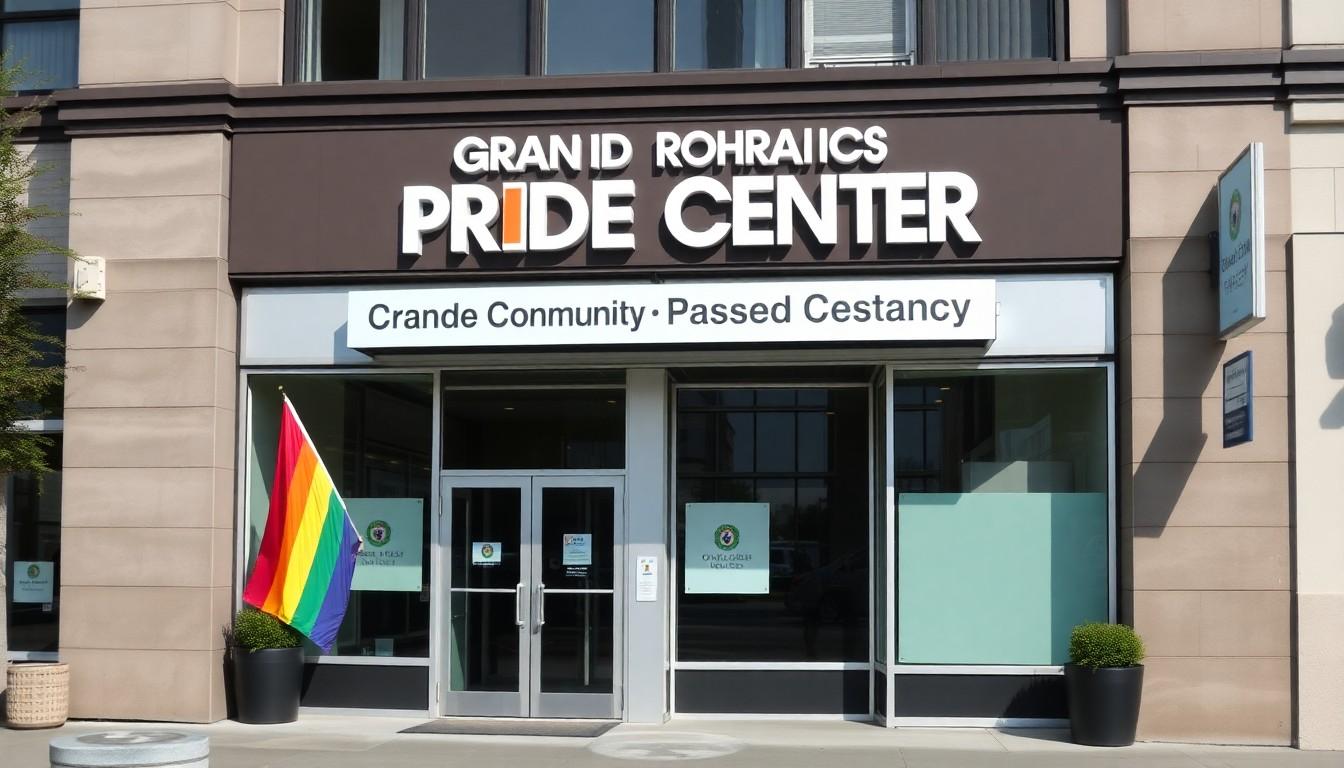
Supporters are rallying around Michigan’s oldest LGBTQ+ community centre as falling grants, sponsorships and donations put its future at risk. The Grand Rapids Pride Center serves people across west Michigan, offering support groups, practical help, advocacy and community events. A recent fundraising drive has bought precious time, but long-term funding remains the bigger challenge.
Essential Takeaways
- Immediate pressure: The centre has faced a serious shortfall in operating funds after losing grants and corporate backing.
- Community response: An online appeal has raised more than $62,000, helping extend operations towards Christmas.
- Wide reach: The organisation supports LGBTQ+ people across 10 west Michigan counties.
- More than a building: Its work includes support groups, basic-needs assistance, advocacy and services for young people and elders.
- Ways to help: Supporters can donate, volunteer, attend events or share fundraising information.
A community centre is fighting to stay open
The Grand Rapids Pride Center has become a familiar and reassuring presence for LGBTQ+ people in west Michigan. Now, after 38 years of service, it’s facing the frightening possibility of closure.
Executive director Jazz McKinney warned in September that the centre had only around two months of operating costs in reserve. Since then, an online fundraiser has raised enough to keep the doors open until Christmas, according to Michigan Advance.
That’s important breathing space, but it isn’t a permanent solution. With monthly expenses of roughly $70,000, even a successful appeal can only stretch so far.
Why the funding gap has grown
The centre’s finances were hit by several problems at once. Grants and sponsorships declined, while a flood forced the building to close for three months between March and early June.
That disruption arrived at an especially awkward moment. The organisation usually spends the first part of the year preparing for Grand Rapids Pride, then expects the festival to help strengthen its finances. This year, the pattern was reversed, leaving the centre under pressure after the event rather than in a stronger position.
The broader funding climate has also made life harder for LGBTQ+ organisations. McKinney told Michigan Advance that the centre has felt the effects indirectly, as partners and sponsors face their own restrictions and funding cuts.
What would be lost if the centre closed?
This isn’t simply a question of losing office space. The centre runs dozens of groups each week and supports people across 10 counties, from children as young as eight to LGBTQ+ elders.
Its work includes basic-needs assistance, community connection, policy advocacy and help during moments when people may have nowhere else to turn. That combination matters because a community centre can offer something formal services often can’t: a trusted, familiar place where people feel understood.
The Grand Rapids Trans Foundation, a separate organisation housed within the centre, would also be affected. Its financial difficulties underline how closely linked the local support network has become.
Donations help, but so does showing up
For readers asking how to support the Grand Rapids Pride Center, giving money is the clearest immediate option. The organisation’s donation page provides a direct route for contributions, while its involvement page outlines other ways to take part, including volunteering and community support.
Attendance matters too. Pride events, awards evenings and other fundraisers help bring in revenue while keeping the centre visible. Grand Rapids Pride has long offered a lively, welcoming space for people to be unapologetically themselves, and that visibility can translate into practical support.
In a difficult funding environment, sharing an appeal can also make a difference. One person’s small donation may be modest, but a wider circle of supporters can help turn an emergency campaign into a more sustainable base.
A wider warning for LGBTQ+ organisations
The Grand Rapids situation reflects a broader concern across LGBTQ+ community centres. Denise Spivak of CenterLink told Michigan Advance that some centres have closed or paused services in the past two years, while others are fighting to remain open.
Corporate support has also become less dependable. Organisations that once funded LGBTQ+ programmes have reportedly stepped back, leaving community centres to rely more heavily on individual donors and local allies.
That makes the response in Grand Rapids especially telling. The fundraiser has shown that people still care deeply about the centre, but long-term stability will require more than a short burst of generosity. As McKinney suggested, the hope is that the immediate crisis creates enough room to build a stronger future.
The centre’s calendar continues to offer ways for the community to gather, volunteer and contribute, including event opportunities listed through Eventeny. That’s a useful reminder that support doesn’t always have to look like a large cheque. Sometimes it’s an hour of volunteering, a ticket, a repost or simply turning up.
It’s a small local organisation carrying a remarkably large part of the community’s support network, and its next chapter will depend on whether that network can keep showing up.
Grand Rapids Pride Center’s future now depends on turning urgent community support into lasting stability.
Source Reference Map
Story idea inspired by: [1]
Sources by paragraph: