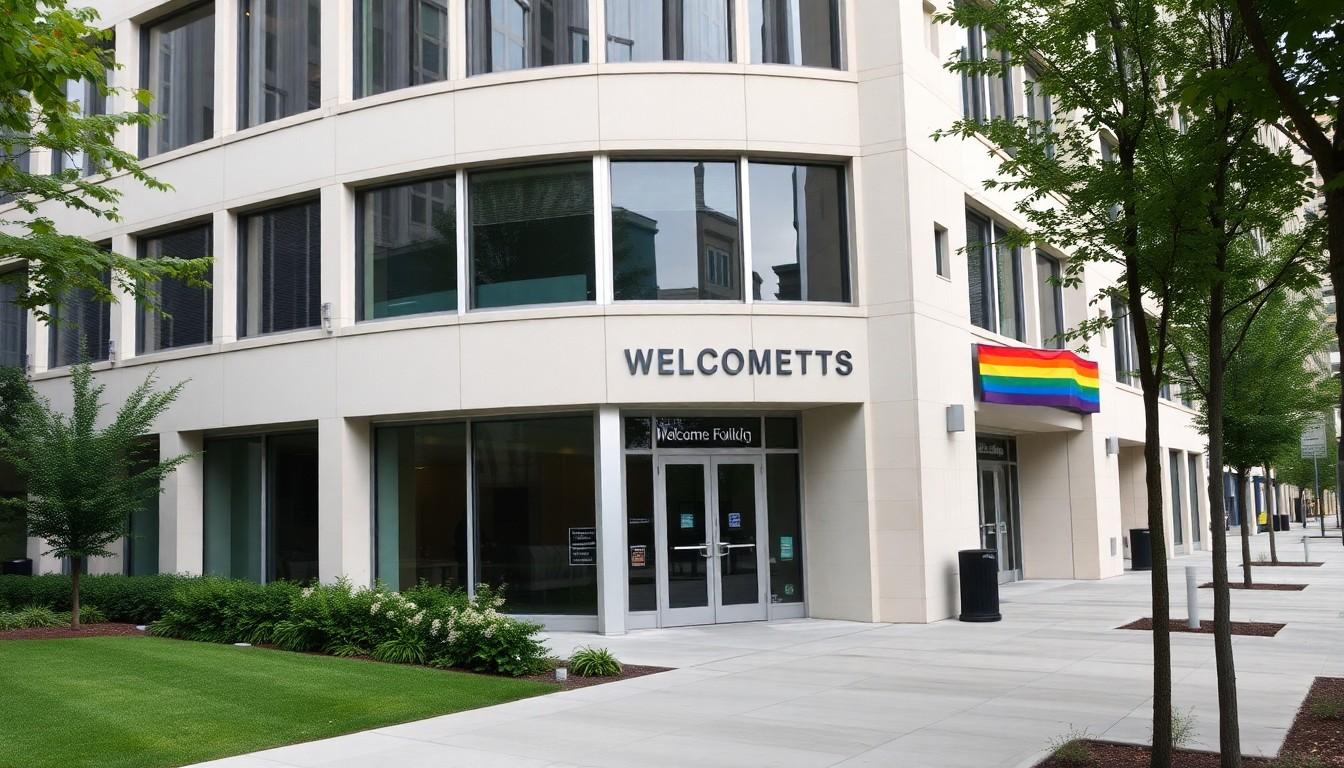
LGBTQ+ organisations across Massachusetts are set to gain wider access to funding, research and community networks as the Equality Fund at the Boston Foundation expands beyond Greater Boston. The move reflects a more geographically diverse community and could bring at least $700,000 in grants during its next funding round, expected to open in January 2027.
Essential Takeaways
- Statewide reach: The Equality Fund will now support LGBTQ+ organisations across Massachusetts, from Boston to western communities.
- More funding ahead: At least $700,000 is expected to be available in the next grant cycle.
- Long-term record: The fund has awarded more than $3.6 million since launching in 2012.
- Practical support: Recent beneficiaries include services for asylum seekers, including housing, financial help and legal connections.
- Broader insight: The fund has commissioned research into the needs of LGBTQ+ young people and older adults.
A Boston fund takes its work across the state
The biggest change is geographical, but its significance is personal. The Equality Fund is moving from a primarily Greater Boston focus to a statewide model, recognising that LGBTQ+ life in Massachusetts isn't centred in one city or neighbourhood.
That means organisations serving people in places such as Worcester, the Berkshires and the south coast should have a clearer route into the fund's grantmaking, convenings and research activity. According to the Boston Foundation, the shift is designed to build new relationships rather than simply redraw a funding map.
The timing also matters. As LGBTQ+ communities become more varied in age, background and location, a one-size-fits-all approach can quickly feel out of step. A statewide network has a better chance of spotting the quieter needs that don't always reach Boston's established institutions.
At least $700,000 is expected in the next grant round
The Equality Fund's next grant cycle is expected to open in January 2027, with at least $700,000 earmarked for organisations supporting LGBTQ+ communities. That money could help groups maintain vital services, strengthen staffing or reach people who have historically been missed by mainstream provision.
The fund has already distributed more than $3.6 million in grants since its launch. Its work is guided by an advisory board of LGBTQ+ community leaders, while its wider programme includes gatherings and research intended to shape more informed philanthropy.
For smaller organisations, the opportunity may be about more than a cheque. Being connected to a larger network can bring useful introductions, shared knowledge and a little breathing room in a sector where demand often arrives faster than resources.
Why asylum support shows what's at stake
One recent example is the LGBT Asylum Task Force in Worcester. The organisation supports LGBTQ+ asylum seekers across Massachusetts with accommodation, financial assistance, legal referrals, career mentoring and other help while they wait for permission to work.
The task force says it has supported more than 400 asylum seekers since 2008. Its work illustrates how LGBTQ+ support often overlaps with housing insecurity, immigration bureaucracy, employment barriers and the emotional strain of rebuilding a life after persecution.
The Boston Foundation's grantmaking history also includes support for initiatives addressing different stages and experiences of LGBTQ+ life. Earlier funding announcements highlighted community organisations working with young people, older adults and other groups whose needs can be overlooked when services are designed too broadly.
A more useful picture of LGBTQ+ life in Massachusetts
Funding is only one part of the expansion. The Equality Fund has commissioned four research reports, including work on LGBTQ+ youth and ageing adults, helping donors and community groups understand where support is most urgently needed.
That evidence-led approach could become especially valuable outside Boston, where local organisations may have a sharper view of their communities but fewer opportunities to share what they're seeing. A group supporting older LGBTQ+ residents in a rural town, for instance, may face very different transport, housing and social isolation challenges from a city-based youth service.
The fund's statewide approach should also make it easier to compare those experiences without flattening them into one story. That's important because visibility isn't the same as access, and a community can be well represented in public conversation while still struggling to find practical help nearby.
What organisations should watch before 2027
Groups interested in applying will want to monitor the Equality Fund's official updates as its systems and resources are refined ahead of the next cycle. It may also be worth gathering clear information about who the organisation serves, what gap it fills and what a grant would change on the ground.
The fund says it wants to grow thoughtfully and sustainably, while preserving its community-based approach. That suggests applicants should expect attention not just to headline numbers, but to local relationships, measurable need and the ability to deliver meaningful support.
For LGBTQ+ residents, the most encouraging sign is that the expansion is being framed as a long-term investment rather than a one-off announcement. As one local leader put it, statewide support can help people build safer, more stable lives. That's a modest-sounding goal, but for many families and individuals, it's the whole point.
It's a wider net for support, with local need still at its centre.
Source Reference Map
Story idea inspired by: [1]
Sources by paragraph:
- Paragraph 1: [2], [4]
- Paragraph 2: [2], [4]
- Paragraph 3: [2], [4]
- Paragraph 4: [2], [5]
- Paragraph 5: [2], [4]
- Paragraph 6: [2], [3]
- Paragraph 7: [3], [5]
- Paragraph 8: [5], [6]
- Paragraph 9: [4], [5]
- Paragraph 10: [4], [6]
- Paragraph 11: [4], [7]
- Paragraph 12: [2], [4]
- Paragraph 13: [2], [4]
- Paragraph 14: [2], [3]
- Paragraph 15: [2], [4]
- Paragraph 16: [2], [4]
- Paragraph 17: [2], [4]
- Paragraph 18: [2], [3]